

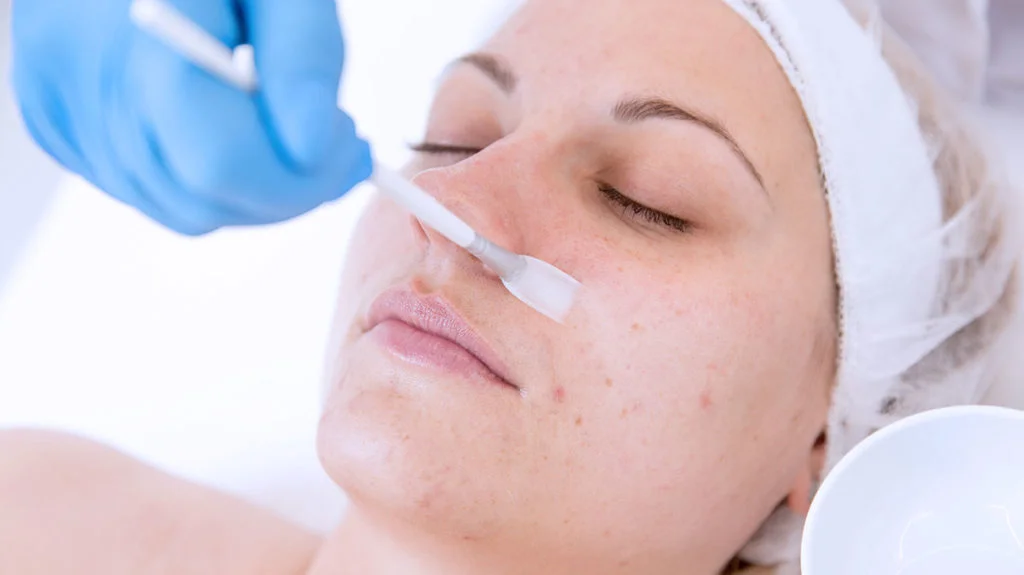
A chemical peel removes damaged outer skin layers with a controlled solution. Your appointment follows a clear process, and knowing the steps helps you prepare. Your dermatologist chooses the peel depth for your skin because different solutions reach different layers. Light, medium, and deep peels differ in recovery time and skin depth.
Thorough Preparation Steps
Preparation starts before your appointment. Following pre-treatment instructions helps your skin respond well and lowers side effect risks. Consistency helps your skin be optimally prepared. Tips include:
- Avoid tanning and direct sun exposure for two weeks before treatment.
- Use any prescribed topical products exactly as directed.
- Stop retinoid products one to two weeks before your appointment, unless instructed otherwise.
You should also stop using retinoid products 1 to 2 weeks before a chemical peel, unless your physician advises otherwise. Some retinoids make your skin more sensitive, and they may increase irritation. If you need antibiotics or antiviral medicine, start them at least 24 hours before the peel. This reduces infection risk. Discuss if you have a history of cold sores.
Detailed Procedure Stages
The procedure usually takes place in a doctor’s office. When you arrive, a nurse or medical assistant helps you get settled. The team will review any last-minute questions you may have. Before the peel begins, a staff member will tie back your hair and cover it, protecting sensitive areas near the treatment site, including your eyes. Your skin is thoroughly cleansed, and this removes oil, makeup, and debris.
Clean skin promotes even application, and it can aid in better outcomes. The provider, often a dermatologist or a trained nurse, examines your skin briefly to confirm it is ready. Your eyes and lips are shielded to prevent accidental contact with the chemical solution. The selected chemical solution is applied carefully to your skin. Light and medium peels involve a series of methodical passes across the skin. The provider applies the solution with an applicator, or gauze, depending on the chemical and desired coverage area. The staff works as a team to monitor your comfort, while checking in with you and adjusting as needed.
Supportive Recovery Actions
Since recovery depends on the depth of your peel, discuss your options. A light peel removes the outermost skin layer, and it often has little to no downtime. Subtle improvement usually appears over time, and you may notice mild redness or flaking that resolves quickly. A medium peel removes the outer layer and part of the middle layer. During this period, your skin may be red, tight, swollen, or sensitive. Peeling and crusting are normal as your new skin forms. Swelling can be significant, and redness may persist for several weeks. Common side effects can include redness, tightness, crusting, flaking, and mild discomfort. These are expected and typically resolve as your skin heals. In rare cases, you could experience prolonged redness or mild scarring.
Book a Chemical Peel Today
Your chemical peel appointment should feel predictable. Preparation, procedure, and recovery each have specific steps, and each step supports safe treatment. Review your instructions, and gather any prescribed products or medicines. If anything is unclear, contact your dermatologist’s office. Clear guidance helps you arrive prepared, so follow your treatment plan correctly.
