

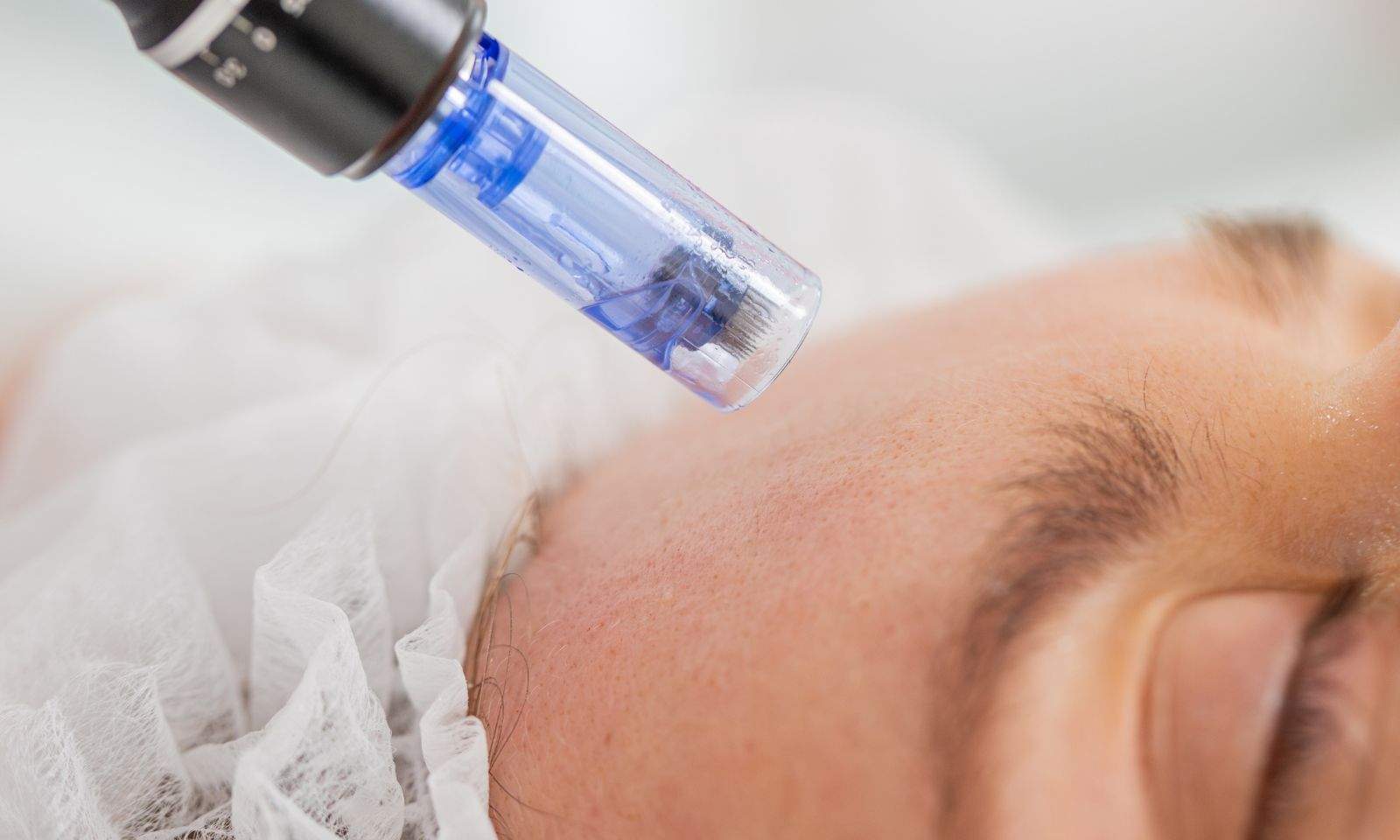
Microneedling is a cosmetic skin treatment that uses fine needles to create tiny, controlled openings in the skin’s top layer. During the procedure, providers move a roller or pen-style device across the treatment area in a precise, measured pattern. The treatment is designed to support the skin’s natural renewal process and improve overall texture and surface quality. Microneedling is commonly performed on the face, but some providers also treat the neck and other areas of the body. Here’s more information about the treatment and its potential skin-rejuvenation benefits:
Learning How the Process Works
A typical microneedling session starts with skin cleansing. In some cases, the provider applies a topical numbing product before treatment. The provider then moves the microneedling device across the skin to create shallow, even channels. These channels are temporary; they close as the skin renews itself. Needle depth varies based on the area treated and the goals of the session.
Some providers apply serums after treatment, as freshly treated skin may be more receptive for a short period. After the session, the skin often looks red or slightly swollen, but this fades with time. Aftercare plays a key role in the process. The provider may recommend gentle cleansing, simple moisturizing, and daily sun protection. Clear aftercare instructions support a smooth recovery period, and they help protect the treated skin.
Reviewing the Surface-Level Benefits
Microneedling is used for skin rejuvenation because it targets visible texture and tone concerns without surgery. Results vary by person, skin type, treatment plan, and aftercare, but several surface-level improvements may be discussed. Uneven texture is one of the main reasons people contemplate microneedling. The treatment aims to refine rough areas and support a smoother-looking surface over time. This change may help makeup apply more evenly and sit better on the skin.
The treatment is also used to address the visible appearance of fine lines. It does not alter facial movement or structure; instead, it focuses on the skin’s surface. This makes it a suitable option for people seeking a less invasive treatment path.
Some people use microneedling to improve the appearance of mild discoloration or visible marks left after breakouts. Over a series of sessions, the skin may appear more balanced and uniform. This is one reason the treatment remains a common part of professional rejuvenation plans. Microneedling does not remove pores, as they are a fundamental part of the skin’s structure, but smoother skin around them may make them appear less noticeable.
Knowing What To Expect Long-Term
Microneedling is often performed as a series rather than a single session. Providers may space appointments several weeks apart to allow time for recovery between treatments. Changes tend to appear gradually, not all at once. Professional microneedling also differs from at-home dermarolling. A trained provider uses controlled tools, specific needle depths, and hygienic methods that home devices may not match. That distinction is helpful when comparing treatment options.
Schedule a Microneedling Treatment
Microneedling is a professional cosmetic treatment designed to support skin renewal and improve the look of texture, tone, fine lines, and pores. Some providers also offer various types of microneedling; this includes treatments combined with radiofrequency technology to address specific skincare goals. If you’re looking to rejuvenate your appearance, speak with a qualified skincare provider and review whether this option aligns with your skincare goals.
