

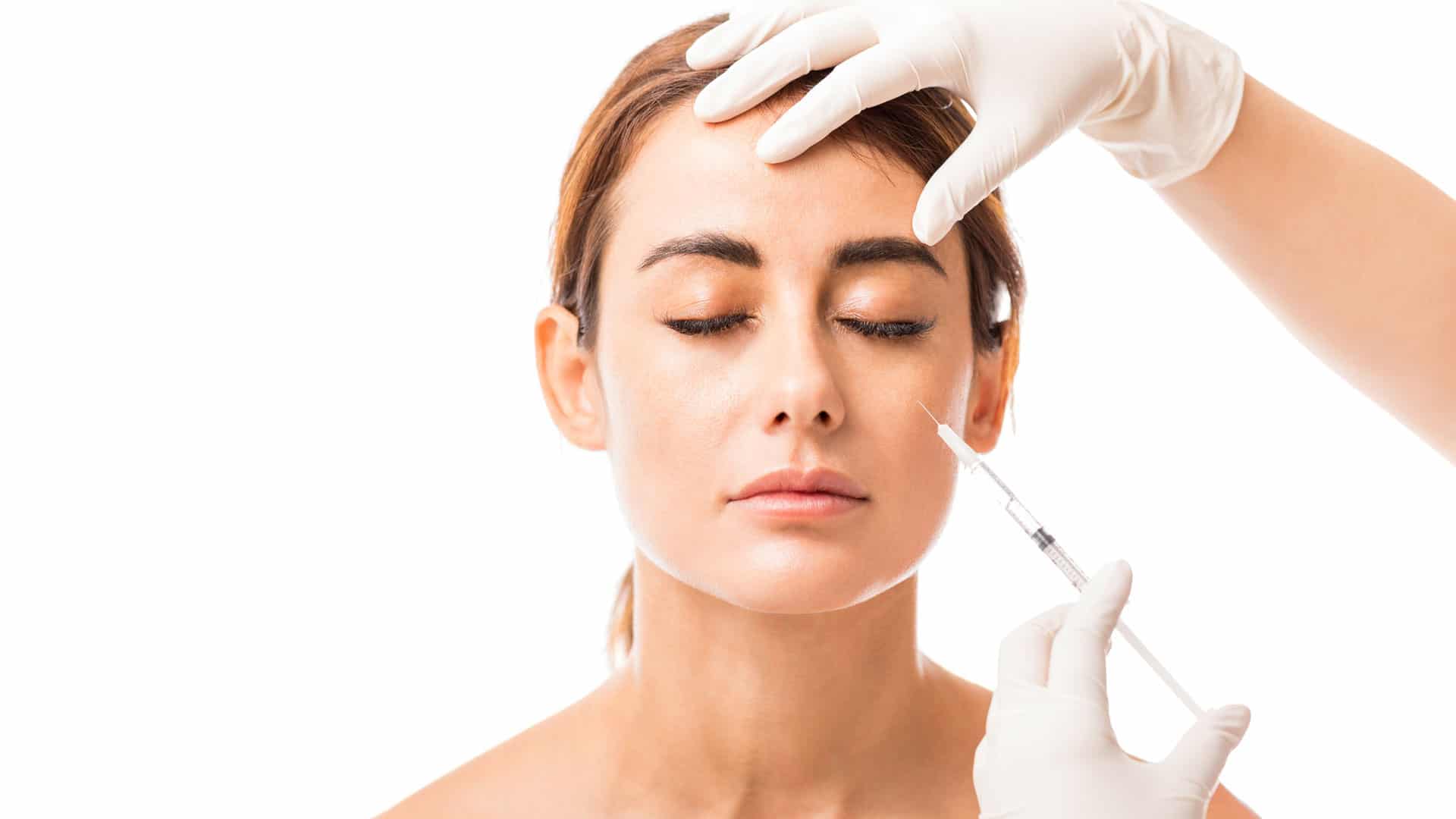
Botox is a widely used cosmetic treatment in the world. It is a regulated injectable product, administered by professionals in controlled clinical settings. It is derived from a purified protein, and it is used to temporarily reduce the appearance of facial lines and wrinkles by relaxing targeted muscles beneath the skin.
What Is Botox?
Botox is the brand name for a substance purified from a substance called botulinum toxin. In cosmetic settings, it is administered in very small, controlled amounts by trained professionals. The product works by temporarily relaxing specific muscles beneath the skin. These muscles will ease their activity, and the skin above them tends to appear smoother.
The treatment belongs to a category of injectables known as neuromodulators. Several similar products exist on the market, but Botox remains a commonly familiar option. It is applied through fine needles that deliver measured doses to targeted areas. Because the effects are temporary, results gradually fade over a period of months, after which some individuals choose to repeat the procedure.
What Is It Used For?
Botox is commonly associated with the reduction of facial lines. These can include certain lines, like those that form between the eyebrows, across the forehead, and around the outer corners of the eyes. Such lines frequently develop over time as a result of repeated facial movements; this includes smiling, frowning, and squinting.
Beyond these familiar cosmetic applications, Botox has been studied and applied in a range of other contexts. Some practitioners use it in connection with muscle-related concerns. These uses typically fall outside general cosmetic care, so they are managed by appropriate medical specialists and involve their own evaluation processes.
Within a cosmetic dermatology setting, the focus tends to remain on aesthetic goals. A specialist reviews the areas a person wishes to address, determining whether the treatment aligns with those goals. Each face is different, so the approach is tailored to the individual rather than applied in a uniform manner. This personalized planning helps the practitioner decide where and how much product to use.
What Should You Expect?
A typical Botox session is usually brief, and it can take place in an office setting. Before the procedure begins, the practitioner reviews the areas to be treated and discusses realistic expectations. This conversation gives you a clearer sense of what the treatment may achieve.
During the appointment, the practitioner cleanses the skin and administers a series of small injections into the chosen areas. People can describe the sensation as a minor pinch. The process generally lasts only a few minutes, and no lengthy recovery period is typically required afterward.
Results do not appear instantly. The effects tend to develop gradually over several days, with fuller results often visible within a week or two. After the treatment, practitioners may provide guidance on activities to avoid for a short time. Following these instructions supports a smooth experience.
The outcome is temporary, so the muscles gradually return to their previous activity over the following months. Individuals who wish to maintain their results may schedule follow-up sessions, typically three to four months. Discussing a suitable timeline with a specialist can help you plan accordingly.
Consult a Cosmetic Dermatology Specialist
Each person’s needs and goals differ, so a conversation with a cosmetic dermatology specialist offers the clearest path toward an informed decision. A specialist will assess your individual features, explain how the treatment might apply to your situation, and outline a plan suited to you. With accurate information and professional guidance, you can approach the topic of Botox from a position of understanding.
