

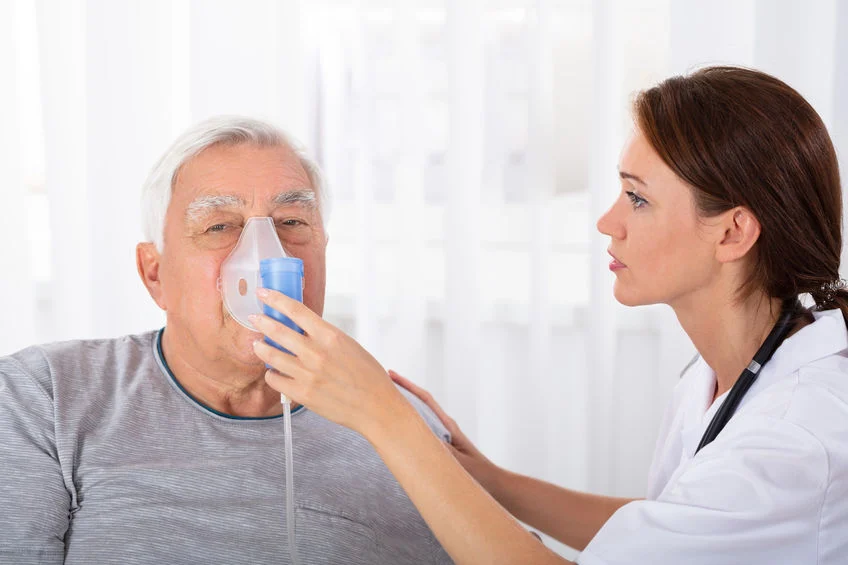
Chronic obstructive pulmonary disease, commonly called COPD, is a long-term group of lung conditions that makes it harder to move air in and out of the lungs. It commonly includes emphysema and chronic bronchitis, and it can affect daily activities, sleep, work, and exercise tolerance. Learning about symptoms and treatment options can help people prepare for productive medical conversations. Some people may also want to understand whether COPD clinical trials are available and appropriate to discuss with a qualified healthcare professional.
What COPD Means
COPD is not simply a cough that lingers after a cold. It is a progressive condition involving airflow limitation, meaning breathing can take more effort over time. Tobacco smoke is a major risk factor, but long-term exposure to secondhand smoke, dust, chemical fumes, workplace hazards, and indoor or outdoor air pollution can also affect lung health. Some people diagnosed with COPD have never smoked.
Early Signs That Should Not Be Ignored
Early symptoms are often subtle. Someone may start taking more breaks while walking, avoid stairs, or assume that reduced stamina is an unavoidable part of getting older. Paying attention to changes makes it easier to seek assessment before symptoms become more disruptive.
- Shortness of breath during ordinary activities
- A cough that lasts for weeks or keeps returning
- Regular mucus or phlegm production
- Wheezing, chest tightness, or noisy breathing
- Repeated chest infections
- Less stamina than usual when walking or doing household tasks
These symptoms can have several causes, so they do not confirm COPD on their own. Still, the pattern of COPD symptoms and flare-ups is worth discussing with a healthcare professional, especially when breathing changes interfere with normal life.
Common COPD Triggers In Daily Life
Triggers are exposures or events that irritate the airways or contribute to a sudden worsening of symptoms. Each person’s triggers can be different, but common examples include cigarette smoke, dust, cleaning sprays, perfumes, fumes, wildfire smoke, poor outdoor air quality, and very cold air. Colds, flu, and other respiratory infections may also worsen breathing symptoms. A simple symptom diary can be useful. Record the date, weather, activity, symptoms, air quality, and possible exposures. Over several weeks, this may reveal patterns that can be reviewed with a healthcare professional.
How COPD Is Diagnosed
Symptoms alone cannot diagnose COPD. A clinician may ask about cough, activity limits, smoking history, workplace exposures, past lung infections, asthma, medicines, and family history. A physical examination and additional testing may be used when needed. Spirometry is a common breathing test that measures how much air a person can forcefully breathe out and how quickly they can do so. It helps a healthcare professional evaluate lung function and distinguish COPD from other conditions that can cause similar symptoms.
What To Bring To An Appointment
- A list of symptoms and when they began.
- Current medicines, vitamins, and supplements.
- Details about smoking, secondhand smoke, dust, or chemical exposures.
- Information about prior asthma, pneumonia, or frequent respiratory infections.
- Questions about testing, treatment, and inhaler technique.
What A COPD Flare-Up May Look Like
A COPD flare-up, also called an exacerbation, is a noticeable worsening of usual breathing symptoms that may develop over hours or days. Acting early matters because a flare-up can become more serious without timely treatment.
Possible Flare-Up Signs
- More shortness of breath than usual
- Increased coughing or wheezing
- More mucus, or mucus that changes in color or thickness
- Chest tightness, fever, or unusual fatigue
- Difficulty completing normal activities or speaking in full sentences
Daily Steps That May Support Lung Health
There is no one-size-fits-all routine, but consistent habits can make COPD management more practical. Use prescribed medicines as directed, and ask a clinician or pharmacist to check inhaler technique. Avoiding tobacco smoke and limiting exposure to poor air quality are also important steps.
- Check local air-quality conditions before prolonged outdoor activity.
- Stay physically active within the limits recommended by a healthcare professional.
- Use pacing strategies, such as taking planned rest breaks during chores.
- Keep recommended vaccines up to date.
- Prioritize regular meals, fluids when medically appropriate, sleep, and rest.
- Ask whether pulmonary rehabilitation could be suitable.
Pulmonary rehabilitation may include supervised exercise, education, and breathing strategies tailored to an individual’s needs. It is not a replacement for medical treatment, but it can be part of a broader COPD management plan.
Building A Practical COPD Care Plan
A written plan turns general advice into specific next steps. Start by recording your usual breathing, coughing, mucus production, and activity level. Then list known triggers, current medicines, emergency contacts, and instructions for what to do when symptoms change. For example, someone who repeatedly coughs more after poor-air-quality days may note the pattern, reduce outdoor exposure when conditions are unhealthy, and bring the diary to a medical appointment. Small observations can lead to more useful, personalized planning.
When To Contact A Healthcare Professional
Contact a healthcare professional promptly when breathing worsens, mucus increases or changes, fever develops, a cough does not improve, or normal activities become harder than usual. Questions about medicines, side effects, and inhaler use also deserve timely attention. Seek emergency help for severe trouble breathing, blue or gray lips or fingertips, confusion, fainting, severe chest pain, or breathlessness that makes speaking difficult. The steps used to manage COPD can vary from person to person, so an individual action plan should clearly explain when to call a clinician and when to seek emergency care.
Conclusion
COPD care often depends on steady, practical decisions rather than quick fixes. Recognizing early symptoms, limiting exposure to triggers, following a treatment plan, and preparing for flare-ups can help people take a more active role in managing their lung health. Simple habits, such as taking prescribed medicines as directed, attending regular medical appointments, staying aware of changes in breathing, and avoiding known irritants, can become important parts of everyday care. It is also helpful to understand what symptoms may require a routine medical review and which changes may need more immediate attention. Because COPD can affect people differently, a care routine should be based on individual symptoms, medical history, lifestyle, and treatment needs. Personalized diagnosis and treatment decisions should always be made with a qualified healthcare professional who can assess the person’s condition and recommend appropriate next steps.
Chronic obstructive pulmonary disease, commonly called COPD, is a long-term group of lung conditions that makes it harder to move air in and out of the lungs. It commonly includes emphysema and chronic bronchitis, and it can affect daily activities, sleep, work, and exercise tolerance. Learning about symptoms and treatment options can help people prepare for productive medical conversations. Some people may also want to understand whether COPD clinical trials are available and appropriate to discuss with a qualified healthcare professional.
