

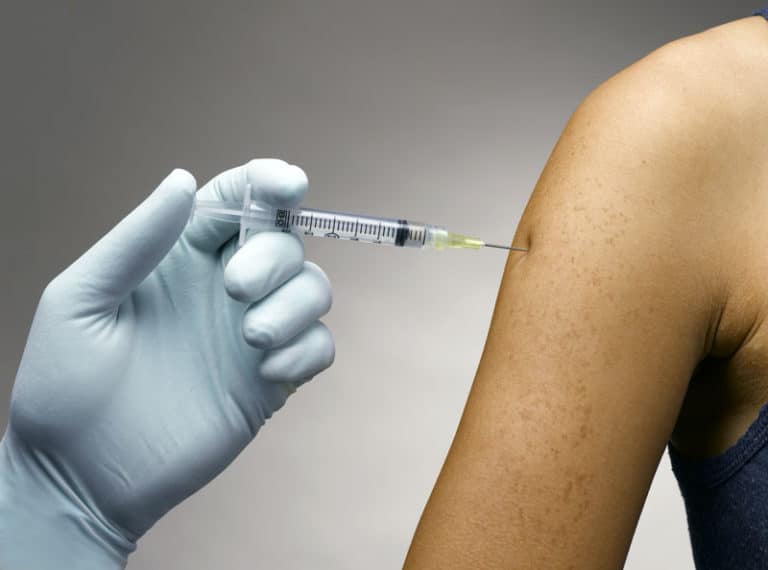
Allergy shots are also known as allergen immunotherapy, and they are a well-established approach that allergists use to address certain allergic conditions. Individuals may encounter this option when exploring longer-term allergy management. The treatment involves receiving gradually increasing doses of specific allergens over time, which helps the immune system become less sensitive to them. Here’s more information about allergy shots and how they work:
Understanding Allergy Shots
Allergy shots are injections that contain small, measured amounts of specific allergens, which are substances such as pollen, dust mites, pet dander, or insect venom. Providers administer these injections in a clinical setting, and a trained professional tailors the allergen content to each individual based on assessment results. The goal is gradual exposure, introduced in controlled increments over time. Providers may recommend this approach for allergies related to airborne triggers or insect stings, though the suitability varies by individual. A qualified allergist determines which allergens belong in each patient’s treatment plan. No two plans are identical, and the process begins only after a thorough professional evaluation.
Following the Treatment Phases
Immunotherapy for allergies follows two structured phases; understanding both helps prepare you for the full scope of treatment. The first is the build-up phase, during which you receive injections frequently; this is often one to three times a week. Each successive shot contains a slightly higher concentration of the allergen. This phase typically spans several months.
The second phase is the maintenance phase. Once the allergen dose reaches a target level, appointment frequency decreases, and visits shift to once every few weeks. Your provider monitors your progress throughout and adjusts the schedule as needed. Consistency during both phases supports the overall process, so notifying the office promptly when you need to reschedule helps keep treatment on track.
Attending Allergy Shot Appointments
Appointments take place in a clinical setting, and each visit may follow a predictable routine:
- A trained professional administers the injection, typically in the upper arm.
- Staff ask you to remain on-site for a short observation period after the shot.
- The provider checks the injection site and notes your response before you leave.
- Future appointments are scheduled according to your current phase.
The observation period is a standard precaution. Remaining at the office during this time allows staff to monitor you and respond if needed. Your provider may share specific aftercare guidance and explain what to watch for between visits. Attending each appointment on schedule, and communicating openly with the office, keeps the treatment process moving forward.
Consulting a Qualified Provider
A board-certified allergist is an appropriate professional to contact when exploring allergy shots. These specialists review your allergy history, discuss relevant testing, and determine whether immunotherapy aligns with your individual circumstances. To help you prepare for your consultation, compile a summary of your symptoms and experiences; this may include the following details:
- Reaction frequency
- Symptom patterns
- Known or suspected triggers
- Previous allergy testing or treatments
Learn More About Allergy Shots
Allergy shots offer a structured, provider-guided approach for addressing certain allergic conditions. The process moves through two defined phases, build-up and maintenance; each one requires consistent participation and professional oversight. Understanding the basics enables you to engage productively with a specialist and make an informed decision. If ongoing allergies have prompted you to explore your options, schedule a consultation with a qualified allergist today.
