

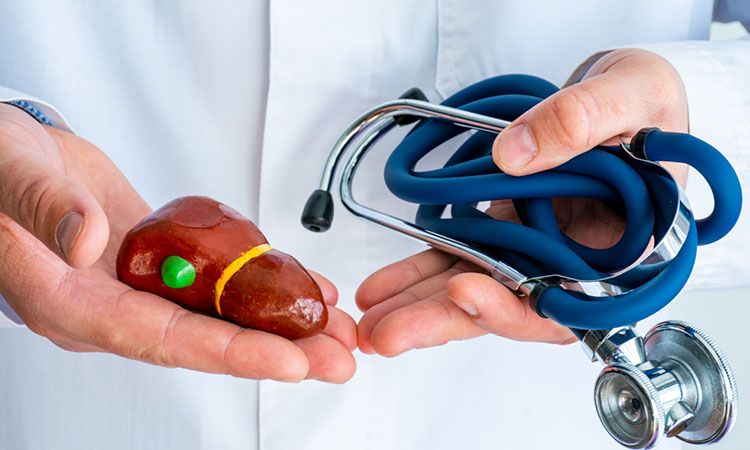
If you are discussing gallbladder removal surgery, it helps to know what the gallbladder does and why removal is common. The gallbladder is a small organ under the liver, and it stores bile between meals. Bile helps break down fats, but the body still uses bile after removal because the liver keeps making it. Surgery is sometimes recommended.
What Does It Do?
The gallbladder stores bile. The liver makes bile, and the gallbladder releases it into the small intestine after you eat. This process helps digest fat, and it supports normal digestion when meals contain more oil or grease. The gallbladder also concentrates bile between meals, so a smaller amount can work during digestion. When you eat, signals from the digestive system tell the gallbladder to contract.
This timing matters because bile works best when food is present, which helps handle fats efficiently. When the gallbladder works well, you do not notice it. The liver still produces bile after gallbladder removal, and that bile flows directly into the intestine. Instead of being stored and released in larger amounts at mealtimes, bile flows steadily throughout the day. This change affects fat digestion. Digestion may change for a short time, but many people adjust as the digestive system adapts.
Why Is It Removed?
Gallbladder removal is usually done when the organ causes symptoms or complications. Gallstones are a common cause, and they can block bile flow. When a blockage happens, pain may start after meals and last. Your doctor may recommend surgery. Reach out if attacks continue or complications develop. Symptoms and steps include:
- Pain in the upper right abdomen, but it can also spread to the back or right shoulder.
- Nausea or vomiting, that can return in repeated attacks.
- Gallstones that can lead to inflammation, infection, pancreatitis, jaundice, or abnormal liver tests.
- Ultrasound, blood work, or other imaging to help confirm the cause.
Reasons can include ongoing gallbladder inflammation without stones, so look out for poor gallbladder emptying, or repeated biliary pain. In some cases, imaging shows sludge, polyps, or signs of chronic irritation. These findings may support surgery.
How Is Surgery Done?
Gallbladder surgery removes the gallbladder. The procedure is called cholecystectomy, and it is often done with small incisions using laparoscopic tools. In a laparoscopic procedure, the surgeon inserts a camera and instruments through small incisions, and the abdomen is gently inflated for better visibility. This method usually shortens recovery, but sometimes requires an open operation. An open procedure uses a larger incision, and it may be needed. The surgical plan depends on the extent of inflammation, scar tissue, and anatomy. During surgery, the surgeon identifies the bile ducts and blood vessels. Safe removal depends on a clear view of these structures. The gallbladder is then separated from the liver and removed, and the small incisions are closed after the area is checked.
Book Gallbladder Removal Surgery
The gallbladder stores bile, but the body can function without it. Removal is often recommended when stones, inflammation, or poor function cause ongoing problems. Gallbladder surgery is a common treatment, and your surgeon can explain the benefits, limits, and recovery steps in your case. Bring your symptom history, test results, and questions. If you are deciding about treatment, schedule a consultation.
