

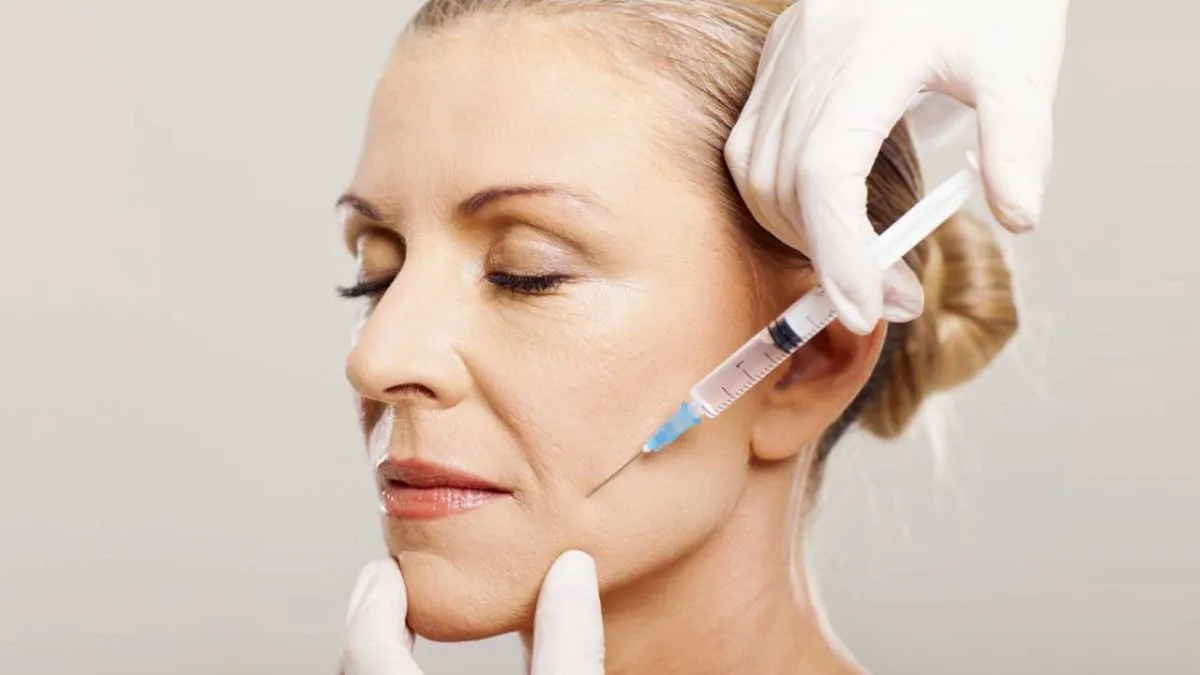
Botox is a prescription treatment made from a purified protein, and it affects nerve signals in targeted muscles. It is used in cosmetic settings to soften the look of dynamic lines, such as frown lines and crow’s feet. Despite its prevalence, many people have an inaccurate understanding of what it does and how it works. Here are some myths about Botox and its effects debunked:
Botox Causes a Frozen Look
This is a common myth, but Botox does not erase all facial motion. A stiff or expressionless result is usually linked to poor technique, an unsuitable treatment plan, or a dose that does not match the person’s facial movement. When it is placed with care, it aims to relax muscles rather than remove expression.
Your face has many muscles working together. If too much product is used in one area, or if placement is off, the result may look unnatural. A trained injector studies muscle strength, facial balance, and how your expressions form lines before treatment. That assessment shapes the plan, and adjustments in dose and placement help create a natural final appearance.
Results Are Permanent
Botox results are temporary. The body gradually breaks down the product, and muscle activity returns in stages. For many people, visible effects last three to four months, though timing varies by treatment area and dose. The short-term results are one reason some people choose it. If you do not like the effect, it fades rather than lasting for years. People who like the results need repeat visits, and they use them to maintain the same look.
The Treatment Works Immediately
Botox starts working after injection, but visible changes usually take a few days to appear. Many patients notice early effects within three to five days, while full results often show at about 10 to 14 days. A person may leave the appointment expecting a same-day change, but this does not mean the treatment failed. Because the product needs time to affect the targeted muscle activity, visible results do not appear immediately. Providers often advise patients to wait two weeks before judging the final result or asking for adjustments.
It Is Toxic and Unsafe
Many people worry about the safety of using injectable treatments due to misconceptions about their ingredients and effects. Modern cosmetic injectables are made from purified substances that have been tested and approved by regulatory bodies. They are also administered in small doses, so they are safe for most individuals.
But like any medical treatment, it carries risks. Common side effects include redness, swelling, bruising, or temporary discomfort at the injection site. A qualified medical professional reviews your:
- Health history
- Current medications
- Treatment goals
- Facial anatomy
This helps lower avoidable risk and gives you a clearer picture of what the treatment involves. Because responses to injectables vary between individuals, follow-up appointments are often used to assess results and make any necessary adjustments. Patients are encouraged to follow aftercare instructions closely, and they should contact their provider if unexpected symptoms develop.
Visit a Skin Care Clinic
If you want accurate information about Botox, visit a skin care clinic for a professional assessment. A qualified provider will explain how the treatment works, what results are realistic, and whether it fits your goals. You can also ask about side effects and follow-up care during the visit. Schedule a consultation with a skin care clinic today to learn more about treatment options.
