

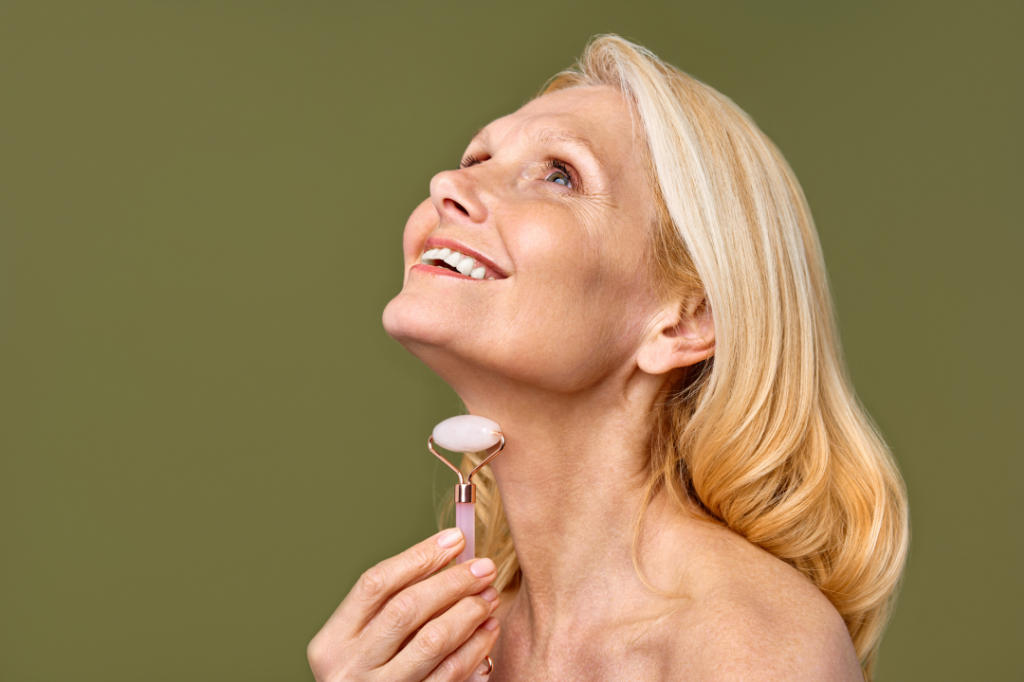
Aesthetic dermatology targets the natural mechanisms involved in cellular aging. Licensed medical professionals utilize clinical techniques, and they specifically address visible structural changes on the face and body. Because human skin undergoes continuous biological alterations over time, these targeted interventions mitigate the gradual degradation of tissue.
Aging Skin
Intrinsic cellular aging depletes natural structural proteins. While genetics are involved in the baseline rate of cellular decline, environmental factors accelerate the breakdown of the dermal matrix. The body synthesizes fewer collagen fibers each year, so the dermal foundation steadily loses its physical strength. Subcutaneous fat pads naturally degrade. As these factors deteriorate, patients observe distinct shifts in their facial architecture, and some individuals seek out aesthetic dermatology.
Reducing Wrinkles
Neurotoxin injections temporarily paralyze specific facial muscles to prevent repetitive contractions that form wrinkles. When practitioners inject proteins into targeted motor nerve endings, the overlying epidermis remains physically smooth. Repeated clinical applications maintain a flat surface texture over consecutive months.
Microneedling is a minimally invasive procedure that stimulates the skin’s natural healing process by creating tiny perforations in the epidermis and dermis using fine needles. This controlled injury triggers the production of collagen and elastin, which are essential proteins for maintaining skin’s firmness and elasticity. When paired with platelet-rich plasma (PRP), derived from the patient’s own blood, the treatment’s rejuvenating effects are enhanced. PRP contains growth factors that accelerate healing, boost collagen synthesis, and improve overall skin tone and texture. Together, microneedling and PRP provide a powerful solution for reducing fine lines, acne scars, and signs of aging. These methods can also reduce acne scarring and uneven pigmentation.
Increasing Volume
Because chronological aging hollows the midface region, dermal fillers directly restore targeted anatomical regions. Hyaluronic acid gels bind quickly to water molecules within the tissue. Practitioners inject these dense substances into deep nasolabial folds, and the localized structural depressions immediately expand.
Dermal fillers, including those composed of hyaluronic acid or calcium hydroxylapatite, are used to restore lost facial volume. Natural aging and environmental factors often result in hollowed cheeks, thinning lips, and deeper folds near the lips and nose, which fillers effectively address. These biocompatible substances are injected into specific areas of the face, providing immediate volume and support while encouraging hydration in the treated areas. This synergistic approach creates a natural, youthful appearance tailored to each patient’s individual needs.
Balancing Skin Tone
Chemical peels are used to remove the damaged outer epidermal layers, and they expose the pristine skin underneath. Melanin deposits scatter unevenly across the older epidermis. Before the skin heals completely, the chemical solution dissolves these concentrated pigment clusters. Light and laser therapies can target irregular pigmentation, and the concentrated thermal energy shatters the localized melanin deposits without breaking the surface layer.
Start Aesthetic Dermatology Treatments
If aging skin has caused changes to your appearance, a consultation with an aesthetician can aid in understanding how to treat signs of aging. Treatment plans are unique to every individual because skin is unique to every individual. Contact an aesthetic dermatology office to schedule an initial evaluation.
