

Hair transplants move healthy hair follicles to thinning areas on your scalp. The procedure requires small incisions, so scarring naturally occurs afterward. Because scalp tissue needs time to heal, you will see marks. Here is more information on scarringy in hair transplant procedures and ways you can help minimize it:
Follicular Unit Extraction Scarring
Follicular unit extraction (FUE) removes individual hair units, and doctors use tiny punches. When the small wounds heal, they leave tiny white dots behind. These small circular marks scatter across the back of your head. You might notice them immediately. If you keep your hair short, people might see these dots; longer hair typically hides the healed extraction sites adequately.
The dots are tiny, but they never completely disappear, as the marks remain permanently. While the spots fade slightly, they stay visible under bright light. You need realistic expectations about this method, so ask questions beforehand. This technique is effective for hair restoration, but it requires careful thought, as the small dots left behind, while subtle, may still be noticeable depending on your hairstyle and lighting conditions.
Follicular Unit Transplantation Scarring
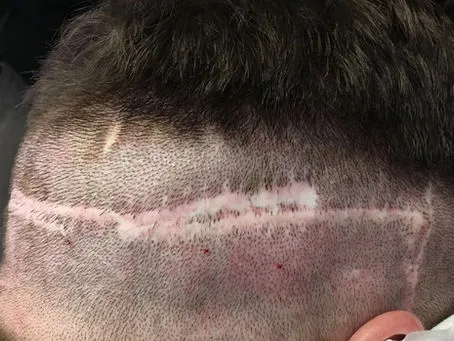
Follicular unit transplantation (FUT) involves removing a thin strip of scalp. After the doctor closes the area, a linear scar forms. Surgeons use strong stitches, so the skin joins tightly together. This technique leaves a long line, and the mark fades slowly, and hair growth around the incision conceals the healed tissue. Because the skin stretches naturally, the line might widen over time.
Reduced Sun Exposure
Ultraviolet rays may darken new scars quickly after a hair transplant. Sunblock protects healing tissue, so you must apply it daily. Since fresh marks burn easily, practice these specific daily protection habits:
- Wear a loose hat outside.
- Stay indoors during peak sunlight.
- Apply broad-spectrum sunscreen daily.
Proper scar care also includes keeping the area clean and moisturized to promote healing. Avoid harsh scrubbing when washing, as this can irritate the skin and delay recovery. While it takes time, consistent and gentle care improves the scar’s overall appearance over time, especially when paired with sun protection.
Topical Moisturizers
Dry skin creates rigid scars, but moisture helps to keep tissue soft. When you apply hydrating lotions, the skin heals more smoothly. Doctors recommend specific soothing ointments for the extraction areas. Hydration aids the healing process, and regular application brings relief.
While the tissue repairs itself, you prevent severe dryness. Simple petroleum jelly provides a safe protective barrier. Because harsh chemicals irritate cuts, buy fragrance-free creams. Pure aloe vera gel is used to soothe redness. Your scalp feels tight initially, so gentle rubbing provides comfort.
Many people use silicone gels, and these products are used to flatten raised marks. If you massage the area daily, the skin may become more flexible. Vitamin E oil may help some patients. Consistency in applying these treatments is key to achieving ideal results over time.
Schedule a Hair Transplant
Before you book a procedure, understand the different healing processes. Every surgical method leaves a permanent mark on your scalp, but after you know the facts, you can minimize them. Call a hair transplant specialist to book your consultation.
