

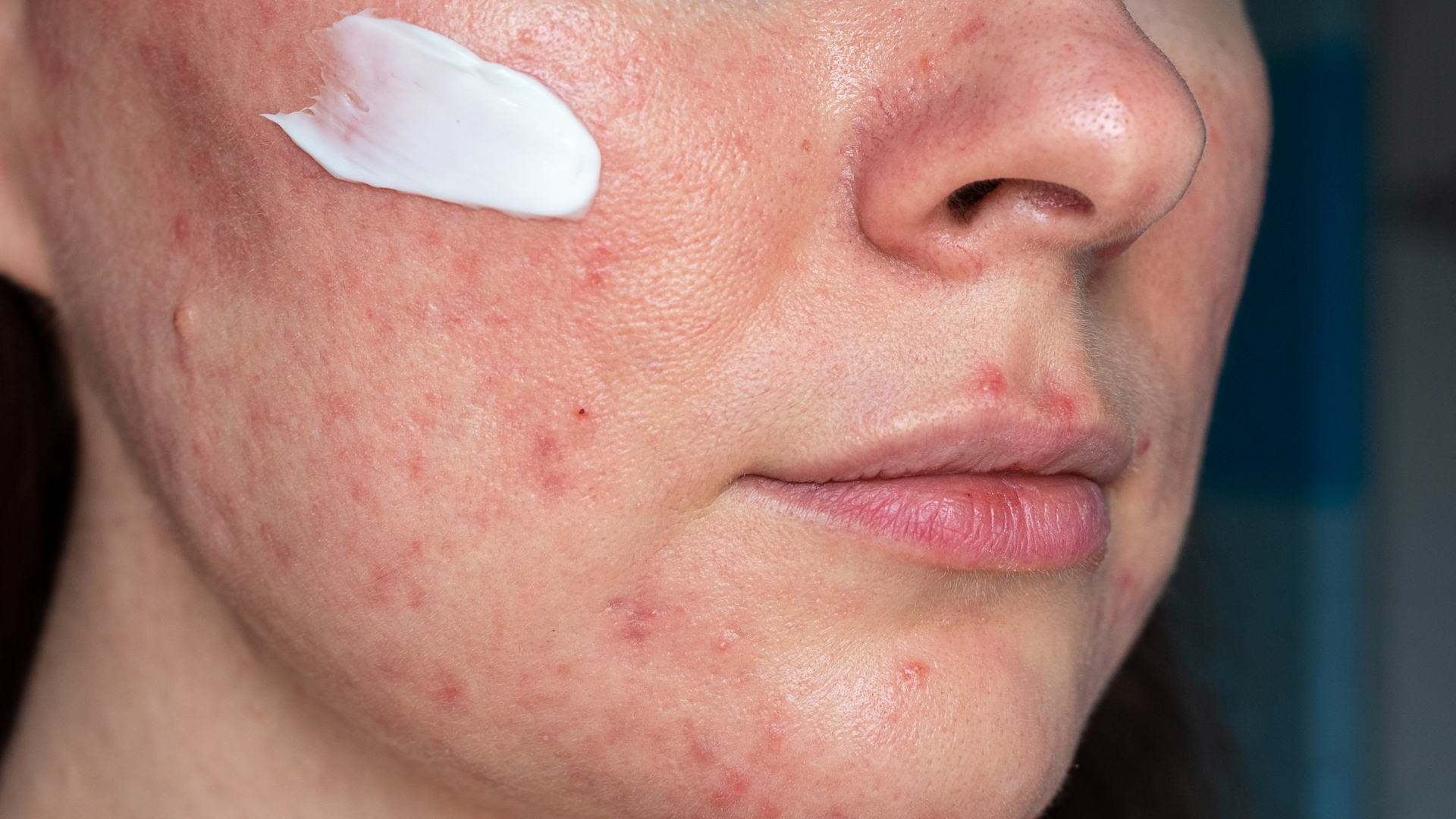
Rosacea is a chronic skin condition that causes facial redness. Doctors do not fully know the exact cause, but genetic and environmental factors play a role. While treatment may be necessary for some patients to find relief from rosacea symptoms, such as rosacea wart, lifestyle management techniques also work to help with the condition. Here is more information about rosacea and how to manage it with lifestyle changes:
Understanding Rosacea Causes
Scientists have studied rosacea for many years. They suspect a combination of hereditary and environmental issues causes rosacea and related conditions, such as rosacea wart. An overactive immune system triggers inflammation, and this reaction leads to noticeable skin changes. Since microscopic mites live on human skin, some researchers believe these tiny bugs provoke an immune response.
Identifying Rosacea Wart
Dermatologists categorize rosacea into four main subtypes, each with distinct symptoms:
- Erythematotelangiectatic rosacea: Characterized by facial redness and flushing.
- Papulopustular rosacea: Produces acne-like bumps and pustules.
- Phymatous rosacea: Involves the thickening of the skin and enlarged sebaceous glands, often resulting in a bumpy, bulbous texture on the nose, sometimes referred to as rosacea warts.
- Ocular rosacea: Affects the eyes, causing redness, irritation, and a watery or bloodshot appearance.
Identifying your specific subtype can help determine an effective course of treatment.
These severe physical changes require professional medical attention. The growths do not resolve on their own, and the skin continues to thicken without intervention. Because the texture becomes very uneven, early diagnosis prevents further physical distortion.
Managing Flare-up Triggers
Daily habits affect your skin health. Sun exposure acts as a major trigger, and spicy foods may provoke severe reactions. When you identify your personal triggers, you can prevent many uncomfortable breakouts. Track your daily routines, and you may notice more clear patterns.
Certain lifestyle changes may help provide relief from daily discomfort:
- Wear broad-spectrum sunscreen: Apply it daily to protect your skin from sun exposure, a common trigger.
- Avoid certain foods and drinks: Hot beverages and spicy foods can provoke flare-ups in some individuals.
- Use gentle skincare products: Opt for mild cleansers and moisturizers to help maintain a healthy skin barrier and prevent irritation.
These adjustments can help you manage your symptoms and maintain healthier skin.
Exploring Treatment Options
Medical interventions reduce physical symptoms effectively. Doctors prescribe topical creams to lower inflammation, and they recommend oral antibiotics for severe bumps. Because some forms of rosacea alter facial structure, plastic surgeons perform corrective surgeries to restore form.
Laser therapy targets visible blood vessels on the face. The light energy destroys the damaged vessels, and the body absorbs them naturally. When patients develop thick patches of skin, surgical removal helps them restore their skin. A doctor uses a scalpel to reshape the nose, or they employ specialized lasers for precision.
Get Help To Manage Rosacea
Managing this skin condition requires patience and daily dedication. Flare-ups can have several underlying causes, and we outlined the main subtypes of the condition. With the right combination of lifestyle changes and other treatments, you could experience relief from rosacea symptoms. If you want to learn more about rosacea and the different ways to treat it, consult a dermatologist near you.
