

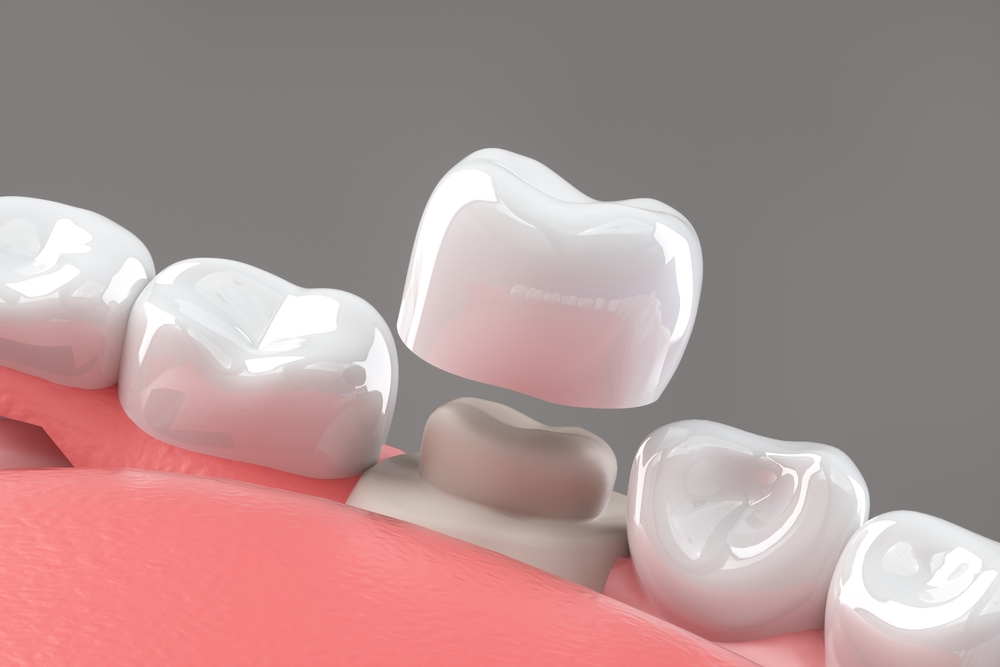
Dental crowns function as artificial caps placed over existing teeth. Dentists use them to restore a tooth’s shape, size, and strength, and they also improve the overall appearance of a smile. Selecting the right material requires an understanding of specific clinical needs. Here is more information on these dental devices, who they benefit, the different options available, and how a dental consultation can help:
What Are Dental Crowns?
Dental crowns are custom-made caps designed to encase a damaged tooth. They completely cover the visible portion of the tooth above the gum line, and they function as a new outer surface. This structural reinforcement restores normal biting function while protecting the underlying tooth structure.
The manufacturing process requires precise impressions of the patient’s mouth. Dental laboratories use these impressions to fabricate the crown, so the final product fits accurately within the dental arch. The finished crown is permanently cemented into place, offering various functional and aesthetic benefits.
Who Do They Benefit?
Patients with severely decayed teeth may require dental crowns to restore function. A large filling may compromise the remaining tooth structure, and a crown provides the necessary support to prevent fracture. Individuals undergoing root canal therapy also receive crowns to protect the treated tooth. The cap seals the tooth from further bacterial invasion.
What Are the Different Options?
Dental crowns are manufactured from a variety of distinct materials. Metal crowns use gold or base-metal alloys, offering maximum durability for chewing and biting. These metal options rarely chip or break, and patients may choose them for out-of-sight molars.
Porcelain-fused-to-metal crowns combine the strength of metal with the appearance of porcelain, and the underlying metal provides a strong base. The porcelain overlay mimics the color of adjacent natural teeth. This option is a valuable choice for both the front and back teeth, balancing structural integrity and aesthetic appeal.
All-ceramic or all-porcelain crowns provide a natural color match. They are suitable for patients with metal allergies, and they may work well for front teeth. These restorations deliver a highly realistic clinical result, which is beneficial for those wanting a discreet option.
How Can a Dentist Help?
A dentist conducts a thorough clinical examination to diagnose underlying dental conditions. They evaluate the extent of tooth decay, and they assess the structural integrity of the remaining enamel. This assessment determines whether a dental crown is the appropriate treatment. The dentist will then review the diagnostic findings with the patient.
What Does a Consultation Involve?
An initial consultation begins with a comprehensive review of the patient’s dental history. The dentist performs a visual inspection, and they may take X-rays to examine the tooth roots and surrounding bone. These radiographic images reveal hidden decay or risk of infection, which the practitioner uses to formulate a specific treatment plan.
During this visit, the dentist discusses the specific steps of the crown procedure. They explain the tooth-preparation process, and they outline the timeline for receiving the final permanent restoration. Patients receive information regarding the potential outcomes, which helps them know what to expect.
Schedule a Dental Visit Today
Dental crowns offer a reliable clinical solution for restoring damaged teeth, and they provide significant functional benefits. They also improve the cosmetic appearance of a compromised smile. Understanding the different material options allows patients to make informed decisions regarding their oral health. Contact a local dental clinic to schedule an evaluation and discuss specific treatment needs.
