

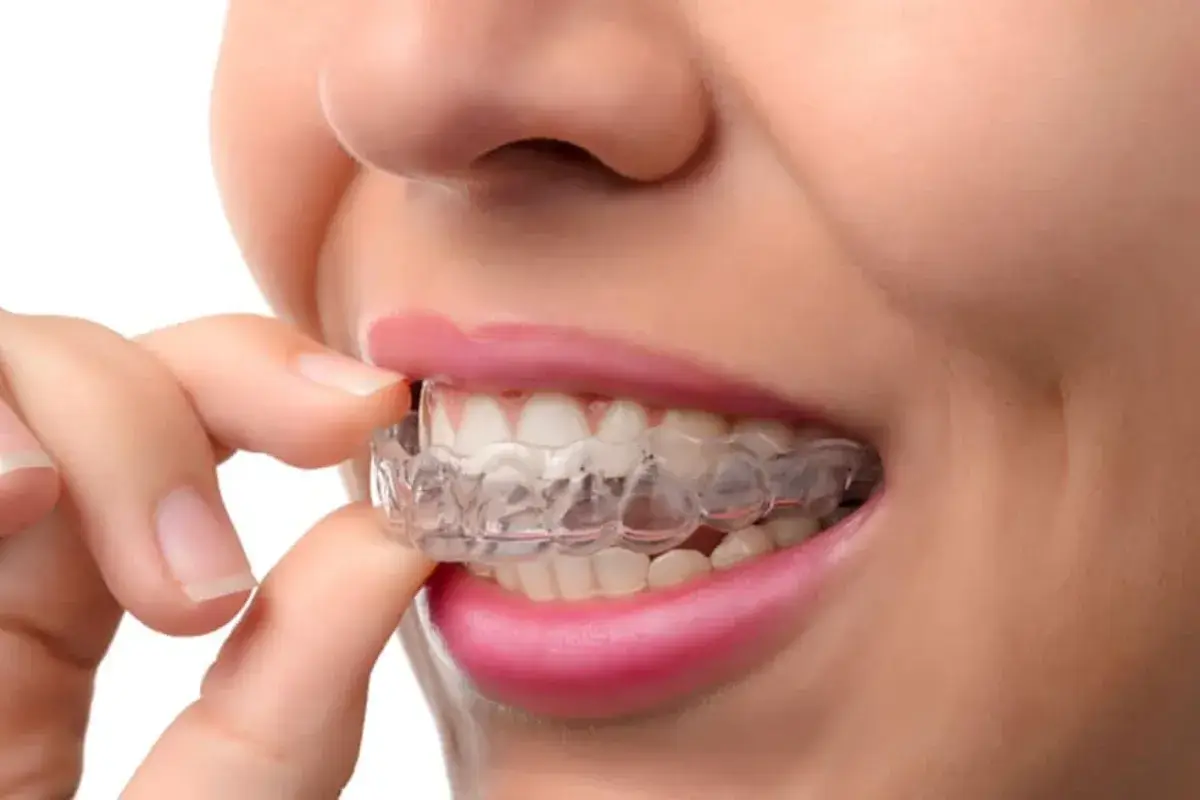
Orthodontic care uses clear aligners to change tooth alignment, including underbites. Metal braces are noticeable, so some people use Invisalign. Discuss your options. Treatment time is sometimes shorter with Invisalign, and people find the process straightforward.
Detailed Evaluation and Mapping
The dentist begins with a careful examination. This initial assessment helps determine if Invisalign is an option for you and sets the path for the next steps. Steps can include:
- Digital X-rays give a clear view of your teeth and jaw alignment.
- Photographs and physical impressions record issues such as overcrowding or gaps.
- Records also help the dentist assess concerns like overbites, underbites, and crossbites.
- Your dentist reviews these findings with you and answers questions, so you know what to expect.
This evaluation helps your dental team understand your needs before planning aligners. Planning uses accurate data. Scanners map your mouth, and software sets the movements. For precision, doctors use advanced tools and create a custom treatment plan. Your jaw structure shapes your treatment. The imaging reveals roots, and the software maps out tooth movement. As adjustments are made, the doctor reviews the projected timeline.
Customized Fabrication and Delivery
The lab uses your dentist’s digital model to fabricate your aligners with precision. These trays are made of smooth, clear plastic, fit your teeth, and are customized for each treatment stage. After production, the lab checks fit and finish by following the movement plan. The aligners are nearly invisible for discretion, and they are trimmed to minimize gum irritation. After inspection, your aligners are arranged sequentially according to your dental plan.
The set is then shipped to your dentist, and they review the trays. Your dentist reviews the process, and they explain daily aligner storage. You receive your sets. The dentist checks the fit, and they explain the instructions. When you start treatment, the first tray feels snug. Your mouth soon adjusts. Quality control is next. Technicians inspect the trays and package the series. Before leaving the facility, workers verify shapes and approve shipments.
Ongoing Progression and Maintenance
Take out your aligners to eat, and continue to support good oral hygiene. Keeping aligners clean involves rinsing and cleaning them daily with the products or techniques your dentist suggests, so they remain clear. Follow your provider’s instructions for cleaning and storage. This routine becomes part of your daily schedule. Regular maintenance supports your dental health, and it helps reduce stains or odors. You visit the clinic for periodic check-ins, and the dentist observes your progress. If your teeth move as planned, the process stays on track. Wearing your trays as directed influences the results. You keep trays in except during meals, and brief removal is recommended when necessary. Trays stay in most of the day. This supports the steady movement of your teeth.
Preliminary Preparations for Invisalign
Clear aligners are sometimes included in a treatment plan. Schedule a visit, and the team will discuss your teeth and aligned needs. The dental team helps you understand your options. Taking the first step gets the process started, and office staff guides you through each part of your journey. Before making any decisions, evaluating issues like overbites will inform your options.
