

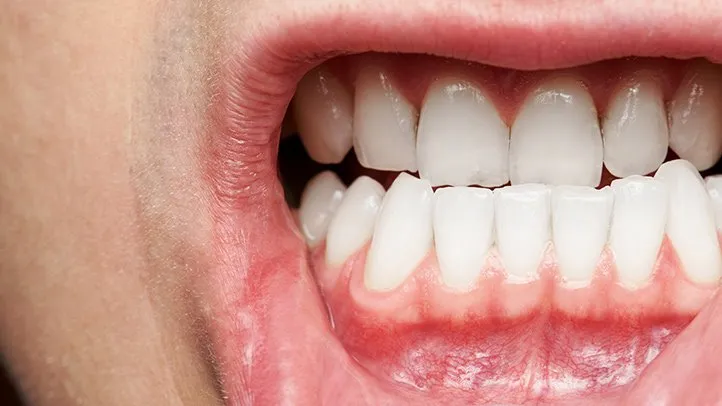
Gum tissue changes over time, affecting overall dental health. Some adults experience varying degrees of gum disease as they age, but proactive care minimizes complications. Periodontics focuses on the structures surrounding the teeth, and it offers specific treatments for these age-related conditions. Here is more information on this dental specialty and how to maintain healthy gums:
What Is Periodontics?
Periodontics is a dental specialty focused on the inflammatory disease that destroys the gums and the supporting structures around the teeth. The practice encompasses both non-surgical therapies and surgical interventions. Periodontists monitor the progression of bone loss, and they evaluate the depth of periodontal pockets during routine examinations. Early identification of tissue degradation helps prevent tooth mobility, allowing for more conservative treatment approaches.
What Are the Available Services?
Periodontists perform scaling and root planing, a deep-cleaning procedure that removes plaque and tartar from beneath the gum line. This non-surgical service smooths the tooth roots, and it helps the gum tissue reattach to the tooth surface. Patients with moderate periodontitis may receive this therapy as a primary intervention.
Surgical services include pocket reduction surgery. This procedure involves removing tartar deposits underneath the gums. After cleaning the area, the gum tissue is secured back in place. This surgery reduces the depth of the pockets between the teeth and gums, and this makes it more difficult for bacteria to accumulate and easier for the patient to maintain proper oral hygiene.
What Conditions Are Treated?
Gingivitis is the earliest stage of gum disease, and periodontists reverse this condition with professional cleaning and improved daily hygiene. Plaque accumulation causes the gums to become red and swollen, often leading to bleeding during routine brushing. Untreated gingivitis progresses into periodontitis. This advanced infection actively destroys the bone and connective tissues.
How Are Healthy Gums Maintained?
Daily oral hygiene removes the bacterial plaque that initiates periodontal disease, and brushing daily is key. Flossing cleans the interdental spaces that a toothbrush cannot reach, dislodging food particles trapped between the teeth. Antimicrobial mouthwashes reduce the overall bacterial load in the mouth. They provide an additional layer of protection against gingivitis.
Diet plays a role in tissue health, and reducing sugar intake limits the primary food source for harmful oral bacteria. Tobacco use restricts blood flow to the gums, impairing the body’s ability to heal damaged oral tissues. Patients benefit from quitting smoking to maintain stable periodontal health.
How Is Professional Care Beneficial?
Professional cleanings remove calcified tartar that regular brushing cannot eliminate. These appointments allow clinicians to monitor subtle changes in oral health. A periodontist uses specialized instruments to clean deep periodontal pockets, and this targeted approach halts the progression of active infections. Regular professional evaluations catch early signs of tissue breakdown, facilitating prompt intervention before permanent damage occurs.
Ongoing maintenance therapy provides a structured schedule for monitoring periodontal stability. The periodontist records pocket depths at each visit and compares these measurements to previous records to assess treatment efficacy. This continuous professional oversight preserves the results of previous therapies, and it protects the long-term viability of natural teeth.
Keep Your Gums Healthy
The prevention of periodontal disease requires consistent daily habits and regular professional oversight. Aging introduces new challenges for oral tissues, but targeted periodontal care addresses these changes directly. The gums require the same level of attention as the teeth, as their health impacts overall oral function. Schedule a comprehensive periodontal evaluation to assess the current state of supporting oral structures.
