

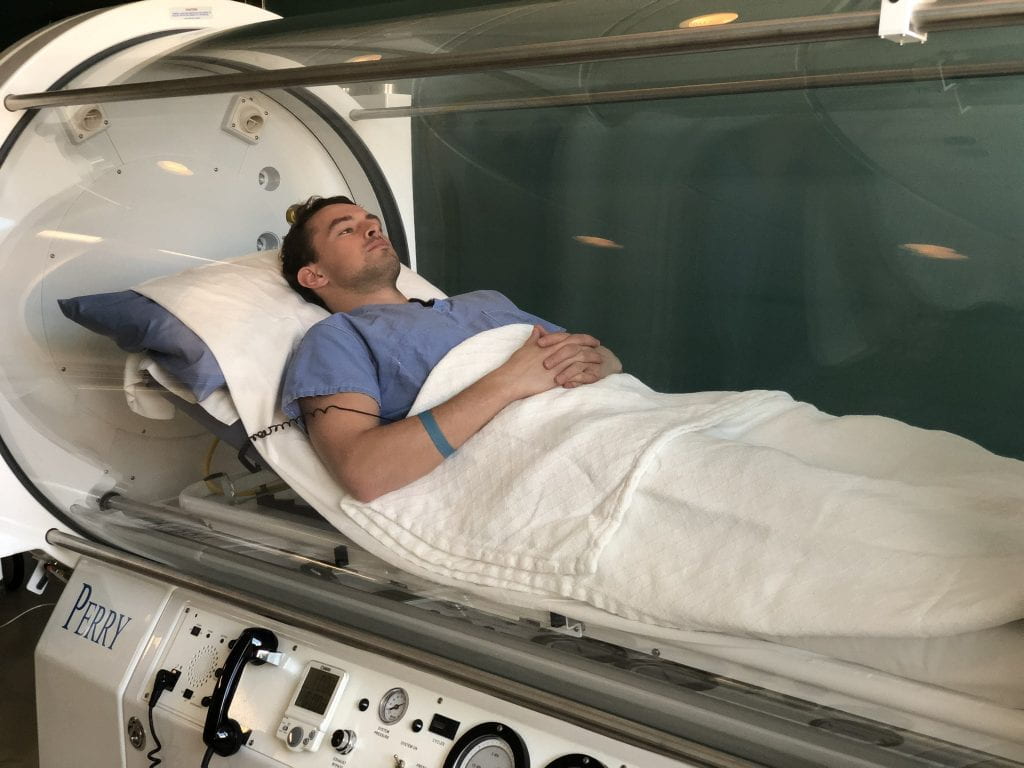
Recovering from surgery can be a challenging process, often requiring extensive care and attention. For patients seeking innovative ways to expedite their healing, Hyperbaric Oxygen Therapy (HBOT) presents a promising solution. By enriching the body’s tissues with high concentrations of oxygen, HBOT accelerates recovery and reduces complications. This article explores how HBOT works, its role in post-surgical recovery, the clinical evidence supporting its efficacy, and how it can be integrated into recovery protocols.
How Hyperbaric Oxygen Therapy Works to Support Healing
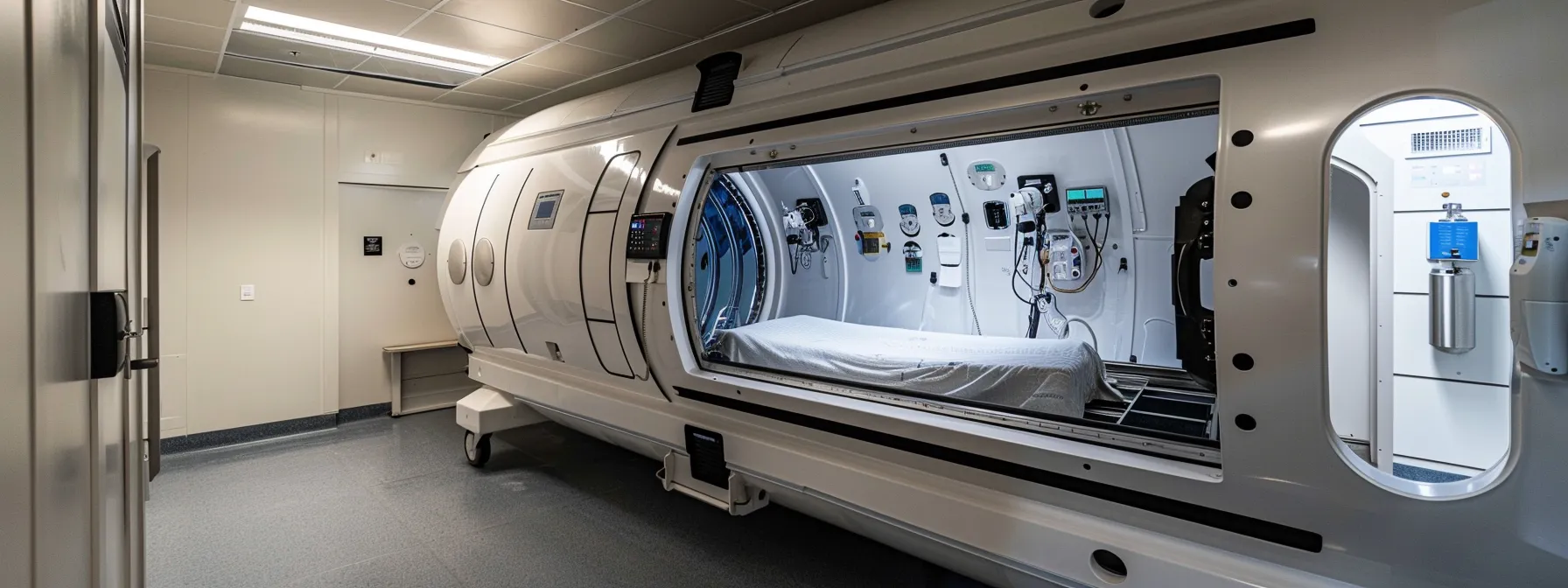
Hyperbaric Oxygen Therapy involves placing patients in a pressurized chamber where they breathe pure oxygen. This process increases the oxygen concentration in the bloodstream, promoting healing in damaged tissues. The therapy is particularly effective for surgical patients, as increased oxygen levels can enhance the repair of incisions and wounds. By boosting cellular regeneration, Hyperbaric Oxygen Therapy facilitates faster recovery and mitigates the risk of post-surgical complications.
HBOT also plays a crucial role in Clinical Workflow Optimization by streamlining recovery processes and reducing hospital stays. It supports the body’s natural healing mechanisms, making it a valuable component in modern healthcare settings. Furthermore, HBOT’s integration into a Telehealth Integration Platform can allow for remote monitoring of patients undergoing therapy, improving accessibility and convenience.
Role of Increased Oxygen Levels in Post-Surgical Recovery
The primary benefit of Hyperbaric Oxygen Therapy lies in its ability to saturate the body’s tissues with oxygen, which is critical for healing. Oxygen is essential for cellular metabolism and repair, and higher levels can significantly enhance recovery times after surgeries. The therapy is particularly beneficial for patients undergoing orthopedic or reconstructive procedures, where tissue regeneration is paramount.
Utilization of HBOT can be seen as part of a Patient-Centered Medical Home (PCMH) model, where personalized care plans are developed for each patient. This model ensures that therapies like HBOT are incorporated into recovery plans tailored to individual needs. Additionally, healthcare providers can leverage Health Information Exchange (HIE) systems to track patient progress and outcomes more effectively.
Clinical Evidence Supporting Hyperbaric Oxygen Therapy Efficacy
Numerous studies have highlighted the efficacy of Hyperbaric Oxygen Therapy in enhancing post-surgical recovery. According to a recent analysis, patients receiving HBOT experienced a 40% reduction in recovery time compared to those who did not (Source: Journal of Surgical Research, 2022). This evidence-based approach aligns with the principles of Evidence-Based Medicine (EBM), which emphasizes the use of clinical data to inform treatment decisions.
Moreover, HBOT is often used in conjunction with other therapies such as Medication Therapy Management (MTM) to optimize patient outcomes. By coordinating these interventions, providers can address multiple aspects of the recovery process, ensuring comprehensive care. The therapy’s impact on reducing complications further supports its inclusion in surgery recovery protocols.
Integrating Hyperbaric Oxygen Therapy into Recovery Protocols
Integrating Hyperbaric Oxygen Therapy into post-surgical recovery protocols requires collaboration between healthcare providers and facilities. A Clinical Decision Support System (CDSS) can facilitate this integration by providing real-time data and recommendations to enhance treatment plans. These systems can help identify patients who would benefit most from HBOT, streamlining the referral process.
Additionally, incorporating HBOT into a Value-Based Care Model can improve patient satisfaction and outcomes by focusing on efficient care delivery and cost-effectiveness. By aligning with Population Health Management strategies, healthcare systems can ensure that HBOT is accessible to a broader patient population, improving overall recovery rates.
One example of HBOT’s effectiveness is its use in treating diabetic foot ulcers, where it has shown significant improvement in healing rates. For more information on HBOT’s applications, visit Hyperbaric Oxygen Therapy.
Conclusion

Hyperbaric Oxygen Therapy offers a compelling approach to enhancing recovery after surgeries by leveraging increased oxygen levels to support healing. With robust clinical evidence and integration strategies, HBOT can significantly improve post-surgical outcomes. For patients and healthcare providers looking to optimize recovery protocols, HBOT provides an evidence-based, effective solution for a faster, safer healing process.
