

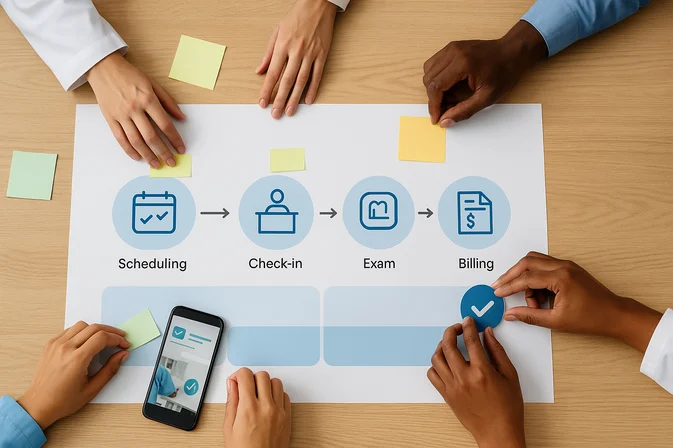
In the bustling environment of a Medical Office, efficient workflow optimization is key to enhancing the overall patient experience. Patients expect timely services, accurate medical records, and seamless communication with healthcare providers. A streamlined workflow not only meets these expectations but can also reduce operational costs and improve staff satisfaction. This article will explore four essential techniques to transform the workflow in a Medical Office, focusing on scheduling, electronic health records, communication, and data analytics.
Enhancing Patient Flow through Streamlined Scheduling
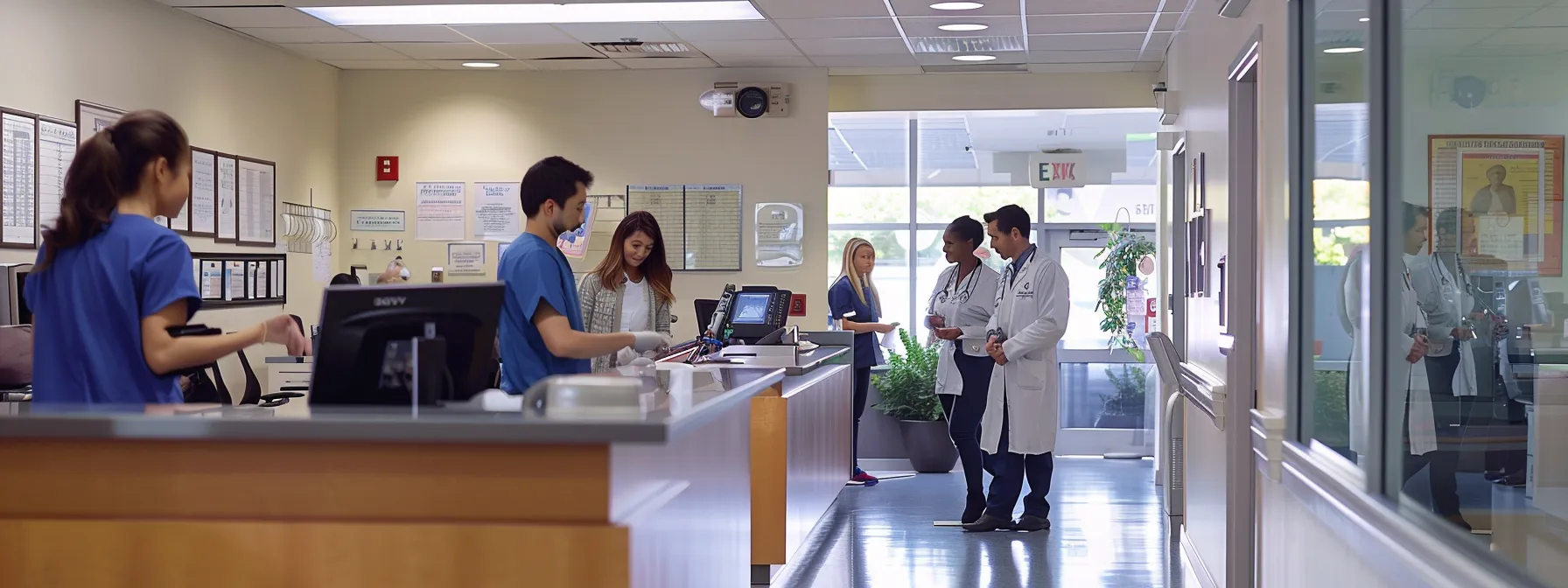
Streamlined scheduling is a cornerstone for improving patient flow in a Medical Office. By adopting advanced scheduling software that integrates EHR Interoperability, healthcare providers can minimize wait times and enhance patient satisfaction. For instance, implementing a system that accommodates real-time updates allows for immediate adjustments in case of cancellations or emergencies. This proactive approach reduces bottlenecks and ensures that the clinic operates smoothly. According to the HCAHPS Survey Metrics, shorter wait times significantly contribute to higher patient satisfaction scores, highlighting the importance of efficient scheduling.
Moreover, incorporating a Patient Activation Measure (PAM) into the scheduling process empowers patients to take an active role in managing their appointments. By providing reminders and self-service options, such as online booking, patients are more likely to adhere to their care schedules, reducing no-show rates. This not only optimizes time management but also improves the overall healthcare delivery system.
Implementing Electronic Health Records for Efficiency
Electronic Health Records (EHR) are fundamental in enhancing the efficiency of Medical Offices. The implementation of EHR systems that support Clinical Decision Support System (CDSS) functionality can significantly improve decision-making processes and patient outcomes. For example, CDSS offers real-time alerts about potential medication interactions, ensuring patient safety and improving the quality of care. Additionally, EHR systems facilitate Medication Reconciliation by providing a comprehensive view of a patient’s medication history, reducing the risk of errors.
Furthermore, EHR Interoperability is crucial for maintaining continuity of care. A Continuity of Care Document (CCD) ensures that patient information is accurately shared among providers, enhancing coordinated care efforts. This seamless exchange of information not only saves time but also ensures that patients receive consistent and informed care, regardless of the healthcare setting.
Optimizing Communication Channels within the Medical Team
Effective communication within the medical team is essential for a well-functioning Medical Office. Utilizing secure messaging platforms that comply with Telehealth Compliance standards can facilitate real-time communication between healthcare providers. This approach reduces delays in decision-making and enhances the overall efficiency of medical services. For instance, instant messaging allows for quick consultations among physicians, leading to faster patient assessments and interventions.
In addition to digital communication tools, regular interdisciplinary meetings help maintain alignment among team members. By discussing cases and sharing insights on ICD-10 Coding and Risk Adjustment Factor (RAF) analyses, healthcare teams can optimize care plans and improve patient outcomes. This collaborative approach ensures that all team members are informed and actively involved in patient care decisions.
Leveraging Data Analytics for Continuous Improvement
Data analytics play a pivotal role in the continuous improvement of Medical Office operations. By analyzing Revenue Cycle Management (RCM) data, healthcare administrators can identify trends and areas for improvement, ultimately enhancing financial performance. For example, reviewing RCM metrics can reveal inefficiencies in billing processes, allowing for targeted interventions to reduce claim denials and improve cash flow.
Moreover, utilizing analytics to monitor Utilization Review Process outcomes helps ensure that medical necessity criteria are met consistently. This not only supports compliance with insurance requirements but also enhances resource allocation within the office. Recent research from Health Affairs indicates that offices using data analytics tools experience a 20% improvement in resource management efficiency, underscoring the value of data-driven decision-making.
Conclusion

Transforming a Medical Office through workflow optimization techniques is vital for improving patient care and operational efficiency. By focusing on streamlined scheduling, electronic health records, optimized communication, and leveraging data analytics, healthcare providers can significantly enhance the patient experience. These techniques not only foster a more efficient and patient-centered environment but also contribute to the overall success and sustainability of medical practices.
