

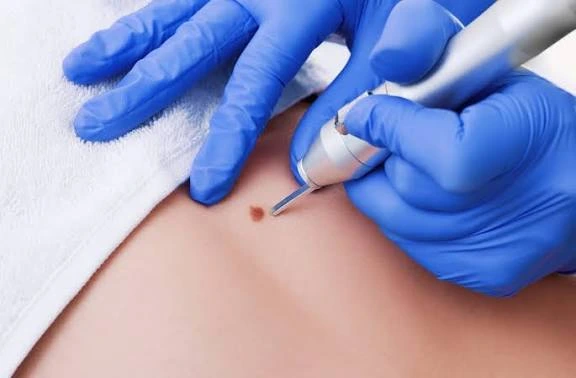
Skin tags are benign growths caused by friction and hormonal changes, which may require professional removal. Dermatologists remove them using methods such as cryotherapy and surgical excision. Each method is minimally invasive, and they produce quick results with little to no recovery time. Understanding what skin tags are, what causes them, and what skin tag removal involves can help patients make well-informed decisions about their care.
What Are Skin Tags?
Skin tags, clinically referred to as acrochordons, are small, soft growths that protrude from the skin’s surface. They are benign, meaning they are non-cancerous and pose no direct medical risk. Skin tags are typically flesh-colored or slightly darker, and they may appear alone or in clusters. While they are harmless, patients may choose skin tag removal for cosmetic reasons or due to discomfort from friction or irritation caused by clothing and jewelry.
What Causes Them?
Skin tags develop when clusters of collagen and blood vessels become trapped within thicker areas of skin. They most commonly appear in areas where skin rubs against skin or clothing, such as the neck, armpits, groin, and eyelids. Friction is a primary contributing factor, which is why skin tags occur more frequently in individuals with overweight or obesity. Hormonal changes during pregnancy can stimulate their development, and those with diabetes face a higher risk of developing them.
Genetics may also play a contributing role; individuals with a family history of skin tags are more likely to develop them. While skin tags are not caused by any infection or contagious agent, patients who notice sudden changes in size, color, or texture should consult a dermatologist promptly. A dermatologist will rule out other conditions.
What Is Skin Tag Removal?
Skin tag removal is a clinical procedure performed to safely eliminate a skin tag from the body. Dermatologists perform these procedures in a clinical setting, typically as outpatient treatments requiring no general anesthesia. Several removal methods exist, and each is suited to different skin types, tag sizes, and patient preferences. Removal is generally straightforward, with some procedures completed within minutes.
How Does It Work?
Dermatologists use three primary techniques to remove skin tags: cryotherapy, excision, and cauterization. Each method targets the base of the tag, and they are selected based on clinical factors specific to the patient. All three approaches may be completed within minutes, facilitating a quick return to daily activities.
Cryotherapy involves applying liquid nitrogen directly to the skin tag, freezing and destroying the tissue. The frozen cells break down, and the tag may naturally fall off within a couple of weeks. This method may be used for smaller tags.
Excision is the surgical removal of a skin tag using sterile scissors or a scalpel. The tag is cut cleanly at its stalk, and the site heals quickly with minimal risk of infection when properly managed by a dermatologist. Cauterization uses controlled heat to burn through the base of the skin tag, sealing the wound as the tissue is destroyed. The treated skin may form a small scab, which falls off as the area heals over the following days.
Consult a Dermatologist Today
Skin tags are a common and benign skin condition, but their removal requires careful clinical assessment to select the safest and most effective approach. Cryotherapy, excision, and cauterization each offer reliable outcomes when performed by a qualified dermatologist. If you have a skin tag, speak with a dermatologist to determine which removal method is right for your skin type.
