

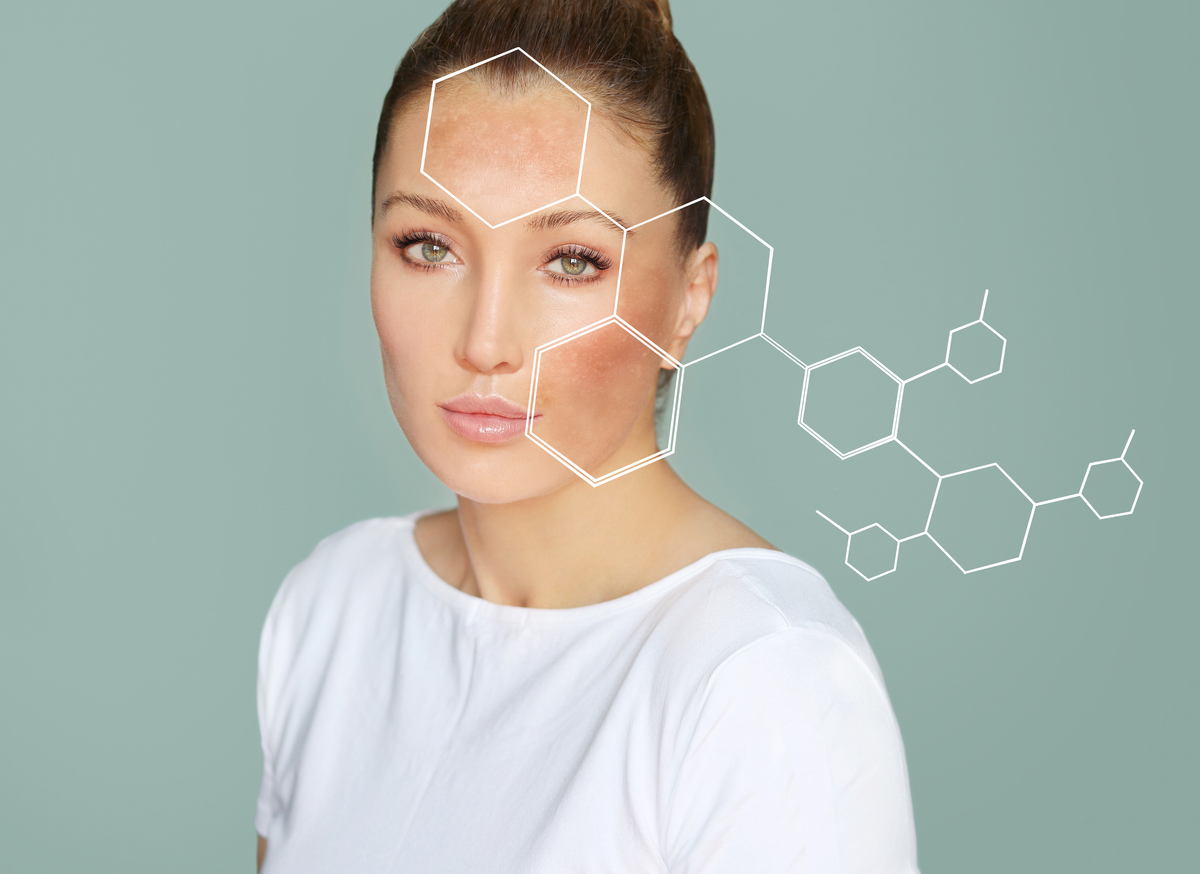
The human skin operates as a complex organ requiring specialized medical knowledge to maintain its health and optimal function. Patients seek dermatological care to resolve persistent symptoms and restore their skin’s physiological balance. By studying the cellular mechanisms underlying various skin conditions, dermatologists develop targeted interventions. These medical professionals undergo rigorous training to accurately diagnose ailments originating within these structures.
What Does Dermatology Address?
A dermatologist manages a diverse array of medical issues, affecting the skin, hair, and nails. They diagnose chronic inflammatory disorders like eczema and psoriasis. Eczema typically presents as dry, itchy patches resulting from a compromised skin barrier and an overactive immune response; psoriasis involves an accelerated cellular turnover that creates thick, scaly plaques on the skin’s surface.
Acne and rosacea represent two other prevalent conditions that may require medical intervention. Acne stems from blocked hair follicles, excess sebum production, and bacterial overgrowth, leading to various forms of blemishes. Rosacea manifests as facial redness, swelling, and visible blood vessels, and can be triggered by specific environmental factors or dietary elements.
Skin cancer screening and diagnosis fall under a dermatologist’s clinical practice. Specialists identify malignant growths, such as basal cell carcinoma, squamous cell carcinoma, and melanoma, and treat them. They also evaluate benign irregularities like cysts and lipomas. Conditions like contact dermatitis and vitiligo require careful medical supervision. Fungal infections, nail disorders, and types of hair loss like alopecia, also fall under their broad diagnostic purview.
What Treatments Fall Under It?
Medical professionals utilize multiple therapeutic modalities based on the specific diagnosis and severity of the condition. Topical medications are frequently prescribed to deliver active ingredients directly to the affected area. These formulations might include corticosteroids to reduce local inflammation or use antifungals to eliminate infections. For more severe or systemic conditions, oral medications can modify the body’s underlying immune response to alleviate persistent symptoms.
Advanced surgical techniques provide precise solutions for skin growths requiring physical excision. Surgeons perform specialized procedures, like Mohs surgery, to remove skin cancer. This meticulous technique involves excising the tumor layer by layer, and examining each tissue section under a microscope until no abnormal cells remain. This surgical method maximizes the preservation of healthy surrounding tissue while removing the malignancy.
Providers also perform standard excisions to remove atypical moles and cysts safely. Cryotherapy, which involves applying extreme cold via liquid nitrogen, effectively destroys warts. Phototherapy exposes the skin to specific wavelengths of ultraviolet light under medical supervision and aims to slow the rapid growth of skin cells seen in psoriasis.
What Aesthetic Treatments Do They Provide?
Beyond medical diagnosis and disease management, dermatology practices offer aesthetic procedures to modify the skin’s appearance. Injectable neurotoxins temporarily relax specific facial muscles to smooth expression lines. Dermal fillers restore lost volume and enhance structural contours by placing hyaluronic acid or other biocompatible materials beneath the skin surface.
Resurfacing and regenerative therapies stimulate the body’s natural collagen production. Microneedling creates controlled micro-injuries in the epidermis, triggering a healing cascade that refines texture and reduces acne scarring. Some clinics combine microneedling with platelet-rich plasma or exosomes, aiming to accelerate this regenerative cellular process. Manual exfoliation techniques like dermaplaning remove dead cells. Laser and light therapies target distinct cellular components using focused energy.
Meet With a Dermatologist
As the body’s primary barrier against environmental hazards, the skin benefits from expert care tailored to its unique physiological needs. Scheduling a consultation allows a specialist to evaluate your specific medical history and review your current symptoms. A thorough physical examination gives the provider the necessary data to formulate an accurate diagnosis.
