

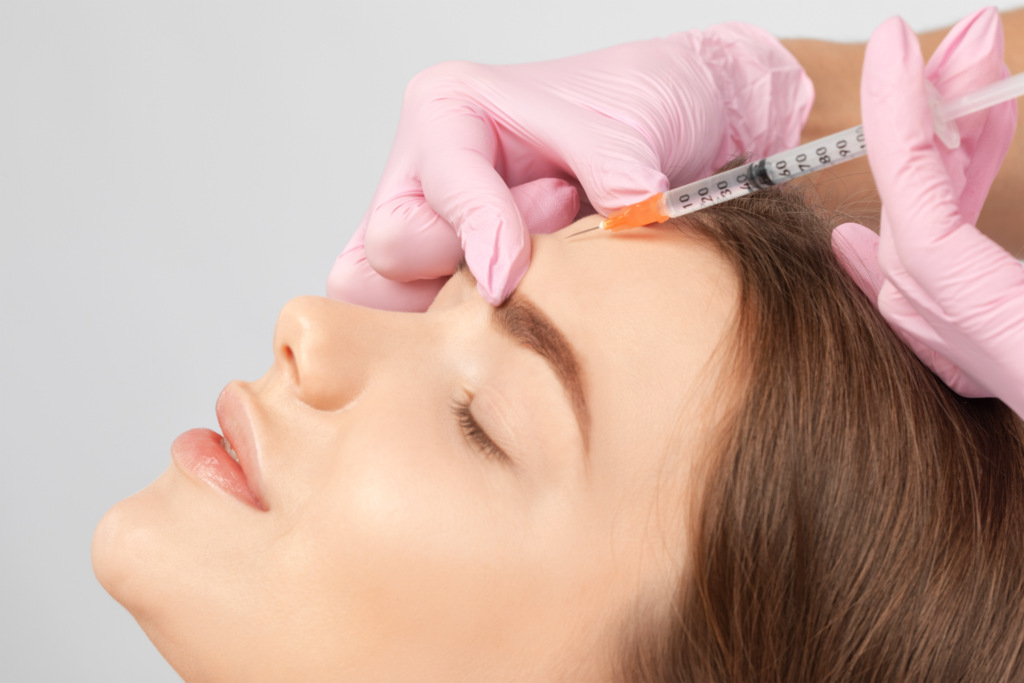
Migraine is a neurologic condition that often disrupts work, sleep, and daily tasks. Botox for migraines is an FDA-approved treatment for chronic migraine, and doctors use it to target pain pathways. Since chronic migraine involves frequent headache days, many patients receive Botox when other treatments provide limited relief.
Reduced Severity
Botox can reduce how intense migraine attacks feel, and that change matters even when some headaches remain. A milder attack typically disrupts less of the day. As pain pathways become less active, symptoms such as throbbing pain may lessen in strength. Some patients also report shorter attacks, and they use less acute medication during the week.
Your doctor may review changes in:
- Pain intensity
- Attack length
- Rescue medicine use
This improvement not only enhances daily functionality by reducing migraine intensity and duration, but it also provides a sense of relief and control, as patients can rely less on emergency medications while experiencing fewer disruptions to their routines.
Fewer Headaches
Doctors inject Botox into specific muscles around the head and neck, and the medication blocks signals linked to pain activity. Many patients report fewer headache days using Botox for migraines. When nerves release fewer pain-related chemicals, migraine episodes may occur less often.
Treatment follows a set schedule, and most patients return for repeat sessions. Some people notice a change after the first cycle. Since the effect builds over time, headache frequency often drops more after repeated visits. Clinicians can track progress with a headache diary, and that record helps guide follow-up care.
Increased Benefits
Results often build with repeated treatment sessions, and this pattern appears in long-term migraine care. Many patients do not see the full effect after one visit. Because Botox works gradually, doctors may assess response across several treatment cycles.
The standard plan uses ongoing appointments, and regular timing helps maintain the effect. Patients often receive injections periodically. When sessions stay on schedule, symptom control may become more stable over time.
Doctors also adjust the broader treatment plan, and that step supports better long-term management. You might combine Botox with lifestyle changes or preventive medicine. Since a migraine has many triggers, a combined approach often gives a fuller picture of progress.
Improved Quality of Life
Fewer migraine days may ease pressure on work and home routines, and patients often notice gains in consistency. Daily life feels easier. When attacks happen less often or feel less severe, people may miss fewer obligations.
Quality-of-life changes typically appear in small ways, and these shifts matter in long-term care. Patients may notice:
- Better sleep patterns
- Fewer canceled plans
- More steady productivity
Since response varies by patient, a medical evaluation helps determine whether Botox fits your history and symptom pattern.
Schedule Botox for Migraines
Botox offers a structured option for chronic migraine management, and doctors use it as part of a broader care plan. The treatment does not remove migraines in every case. If chronic migraine affects your routine, talk with a qualified provider in your area about Botox treatment. Bring a record of headache days, current medicines, and past therapies. When you review those details together, you can make a clear next-step plan.
