

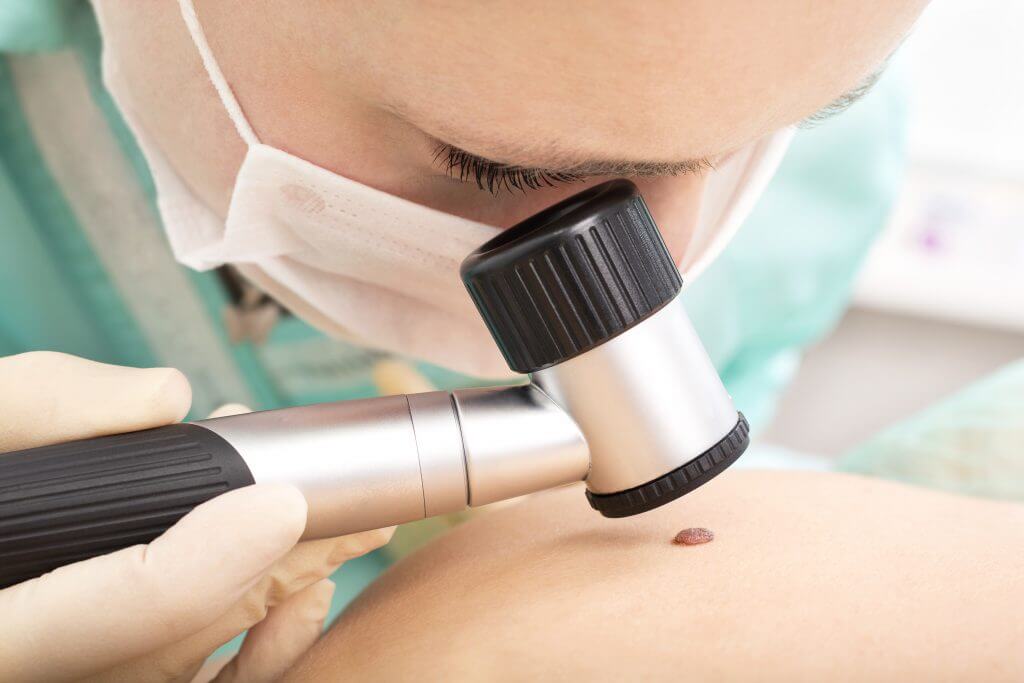
Dermatology focuses on the health of the skin, hair, and nails. Patients can visit clinics for specific concerns, but routine appointments offer preventive advantages. Regular skin check-ups help identify physical changes early, enabling doctors to manage potential medical issues. Here is more information on the nature of dermatology and the standard procedures involved in a skin examination:
What Is Dermatology?
Dermatology is a specialized branch of medicine dealing with the skin, nails, and hair. Medical professionals in this field diagnose various conditions, and they prescribe specific treatments. The skin is the largest organ of the human body, serving as a primary barrier against environmental hazards.
What Are Dermatological Conditions?
Dermatological conditions are medical issues that affect the skin, hair, and nails. These conditions range from common to severe and can be triggered by various factors.
- Common disorders: Conditions like acne and eczema can cause physical discomfort or changes in appearance.
- Severe diseases: These include serious conditions such as melanoma, a type of skin cancer.
- Infections: Bacteria or fungi can cause a wide range of skin diseases.
Medical professionals classify these conditions to determine the most effective treatments.
What Are Skin Check-ups?
Skin check-ups are formal medical examinations conducted by a licensed dermatologist. The physician visually inspects the entire body, and they look for any unusual moles, lesions, or rashes. These routine visits establish a baseline for the patient’s skin health over time. A standard check-up may be quick, requiring minimal physical preparation from the patient.
These visits differ from consultations focused on a singular cosmetic concern. A complete skin check-up serves a diagnostic purpose, and it provides a comprehensive overview of the patient’s physical state. The physician evaluates areas of the body that the patient may rarely examine. This thorough approach helps doctors detect anomalies hidden in hard-to-see areas such as the scalp or back.
What Do They Involve?
The physical examination begins with a review of the patient’s medical history, and the doctor may ask about past skin issues. They will also inquire about any family history of skin cancer. Following this discussion, the patient may change into a medical gown for the physical inspection. The dermatologist examines the skin from head to toe using specialized magnifying tools.
Doctors may use a dermatoscope to closely examine specific lesions. This device magnifies the skin structure, and it provides a clear view of pigmentation patterns. The physician may photograph certain moles to track structural changes at future visits. If a lesion looks suspicious, the doctor may perform a biopsy to collect a tissue sample for laboratory testing.
How Are Regular Check-ups Beneficial?
Routine dermatological examinations allow for the early detection of skin cancer. Skin cancer is highly treatable in its initial stages, necessitating early identification to improve the medical prognosis. Regular monitoring also helps physicians manage chronic skin conditions effectively, as patients receive treatment plans tailored to their current skin health.
Preventative care may reduce the need for aggressive medical interventions later. Patients learn about proper sun protection, and they may receive personalized advice on daily skincare routines. Regular check-ups establish a consistent medical record for the patient over multiple years, allowing the dermatologist to notice subtle physical changes over time.
Schedule a Check-up Now
Routine dermatological visits provide a structured approach that helps maintain long-term skin health. These examinations identify potential medical issues early, and they offer patients guidance on disease prevention. The medical benefits of these assessments make them a standard part of comprehensive healthcare. Contact a local dermatology clinic today to book an initial skin examination.
