

Some cardiology patients experience changes in their vascular system, and varicose veins are a common vascular condition. Understanding the mechanisms behind these venous changes helps patients make informed decisions, enabling them to manage their symptoms effectively. Here is more information on the underlying causes of varicose veins, as well as clinical prevention and treatment methods:
What Are Varicose Veins?
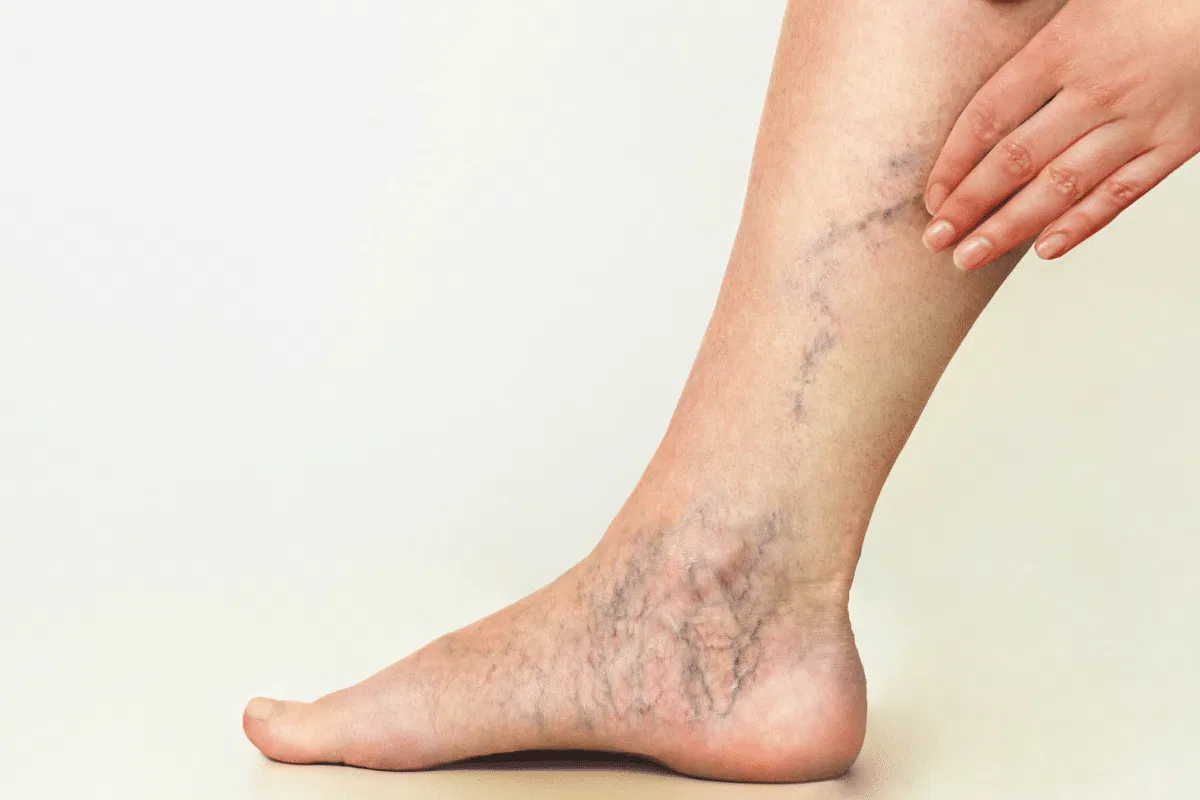
Varicose veins are enlarged, twisted blood vessels that typically develop in the legs and feet. Healthy veins contain one-way valves that keep blood flowing toward the heart, but these valves can sometimes fail or weaken. When the valves malfunction, blood pools in the vessels, causing the veins to expand. This pooling creates a characteristic bulging appearance beneath the skin surface.
What Causes Them?
The primary mechanism behind varicose veins is increased pressure within the venous system, which damages the internal valves. Age naturally reduces the elasticity of the veins. The continuous stress of bearing body weight accelerates this wear. Genetics influences vascular structure, so a family history of venous insufficiency increases a patient’s risk.
Certain lifestyle factors further contribute to the development of this condition. Prolonged standing or sitting restricts normal blood circulation, forcing the veins to work harder. Hormonal changes during pregnancy or menopause relax the vein walls, and excess body weight places additional strain on the lower extremities.
What Are the Symptoms?
Patients typically observe visible structural changes in their veins, which may be accompanied by physical discomfort. The clinical presentation varies among patients, but common symptoms can be identified during a physical examination. Healthcare providers screen for several clinical signs, including:
- Bulging, bluish cords visible beneath the skin
- A heavy or aching sensation in the lower legs
- Swelling occurring around the ankles and feet
How Can You Prevent Them?
While complete prevention of varicose veins is not always possible, patients can implement specific lifestyle modifications to support vascular health. Regular physical activity improves blood circulation in the legs, and low-impact exercises like walking or swimming promote healthy venous function. Maintaining a healthy body weight reduces the structural burden on the lower body. A diet low in sodium minimizes water retention.
Elevating the legs above heart level decreases venous pressure, facilitating the return of blood from the lower extremities. Patients should avoid standing or sitting in one position for extended periods. Taking short movement breaks helps stimulate blood flow. Compression stockings provide external support to the blood vessels, so cardiologists may recommend wearing them during long periods of physical inactivity.
What Are the Treatment Options?
Medical interventions for varicose veins range from non-invasive therapies to surgical procedures. Sclerotherapy involves injecting a chemical solution into the affected vein, which causes the vessel walls to collapse and fade over time. Laser treatments deliver bursts of light energy to the vein, and the targeted vessel gradually disappears without needles or incisions. These outpatient procedures require minimal recovery time, and patients can resume normal activities rapidly.
Seek Professional Guidance Today
Varicose veins represent a noticeable structural change in the vascular system, but modern medical treatments offer effective solutions for symptom management. Patients with cardiovascular concerns benefit from closely monitoring their vascular health. Consulting a physician provides guidance on appropriate interventions. Contact a local cardiology clinic to schedule a comprehensive vascular assessment.
