

Tooth loss can significantly affect an individual’s overall quality of life, compromising bite efficiency, facial bone integrity, clear speech, and everyday self-confidence. Whether resulting from extensive periodontal disease, severe trauma, or deep decay, missing teeth require timely and structurally sound replacement solutions. Among modern restorative options, dental implants represent the gold standard in contemporary clinical dentistry. Unlike conventional crown-and-bridge work or removable dentures, dental implants offer a permanent, biologically integrated foundation that closely replicates the strength, functional chewing capacity, and natural aesthetics of healthy biological teeth.
Understanding Dental Implant Technology and Osseointegration
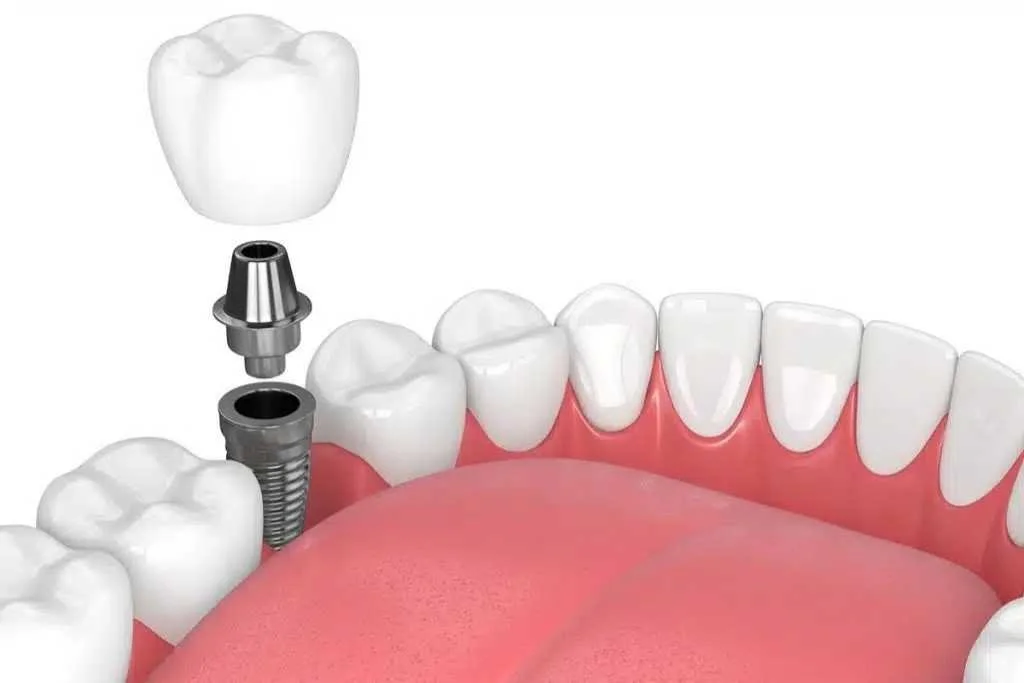
At its core, a complete dental implant restoration consists of three primary components: a biocompatible titanium or ceramic post, an abutment connector, and a custom-milled prosthetic crown. The foundational secret behind the longevity and stability of modern implants lies in the biological process known as osseointegration. Following surgical placement into the jawbone, surrounding bone cells gradually fuse directly with the micro-textured titanium surface over a period of several months.
This biological integration creates a rigid, stable anchor capable of withstanding standard masticatory forces without shifting, clicking, or causing gum friction. Crucially, implants provide direct mechanical stimulation to the alveolar bone during daily chewing, halting the progressive bone resorption that inevitably follows tooth loss. As a result, patients preserve their natural facial contours and prevent the premature facial collapse and sagging frequently seen with prolonged tooth absence.
Evaluating Patient Candidacy and Diagnostic Planning
Successful implant therapy begins with comprehensive clinical evaluation and precision radiographic assessment. Ideal candidates typically possess good general physical health, healthy periodontal tissues free of active infection, and sufficient bone height and volume to support the fixture. Modern family dental practices utilize advanced three-dimensional cone beam computed tomography (CBCT) to evaluate bone density, identify vital anatomical structures such as nerve pathways and sinus cavities, and virtually map the optimal trajectory for surgical placement.
For individuals who have experienced localized bone atrophy from long-term tooth loss, modern regenerative treatments such as bone grafting or sinus floor elevations can rebuild a robust foundation prior to implant insertion. Addressing systemic lifestyle factors, including tobacco usage or uncontrolled blood glucose levels, is also emphasized during initial consultations to facilitate optimal soft-tissue healing and maximize long-term treatment longevity.
The Step-by-Step Implant Procedure in Family Practice
Implant treatment is typically delivered across structured, well-planned clinical phases designed to ensure patient comfort, predictability, and durable aesthetics:
- Initial Consultation and 3D Imaging: Comprehensive oral examination, diagnostic digital scans, and a personalized surgical and restorative plan.
- Precise Surgical Placement: The implant fixture is gently positioned into the planned jawbone site under localized anesthesia or conscious sedation.
- Healing and Osseointegration: A dedicated healing interval of three to six months allows bone tissue to integrate securely with the post. Aesthetic temporary restorations may be utilized during this phase.
- Abutment Placement and Final Restoration: Once structural stability is verified, an abutment is connected, and a custom porcelain or zirconia crown matched to the exact shade, contour, and translucency of surrounding teeth is permanently affixed.
Restoring Long-Term Oral Health and Function in Rialto
Selecting a dedicated local practitioner ensures meticulous continuity of care and personalized attention throughout every stage of implant therapy. Residents in San Bernardino County seeking durable restorative dentistry can explore comprehensive options for Dental Implants Rialto CA to restore complete chewing comfort, oral function, and natural aesthetics. Practices like David A Newsham DDS, led by Dr. David Newsham at 1735 N Riverside Ave in Rialto, CA, combine clinical precision with attentive family dental care to help patients make informed decisions and achieve enduring oral health.
Daily Maintenance and Long-Term Implant Success
With conscientious oral hygiene and routine maintenance, dental implants have an outstanding clinical success rate exceeding ninety-five percent. Caring for an implant mirrors the routine maintenance of natural dentition, requiring twice-daily brushing with a soft-bristled brush, daily interdental flossing, and regular professional hygiene cleanings. Ongoing professional checkups allow your dental team to assess peri-implant tissue health and ensure your restored smile remains healthy, strong, and beautiful for decades to come.
