

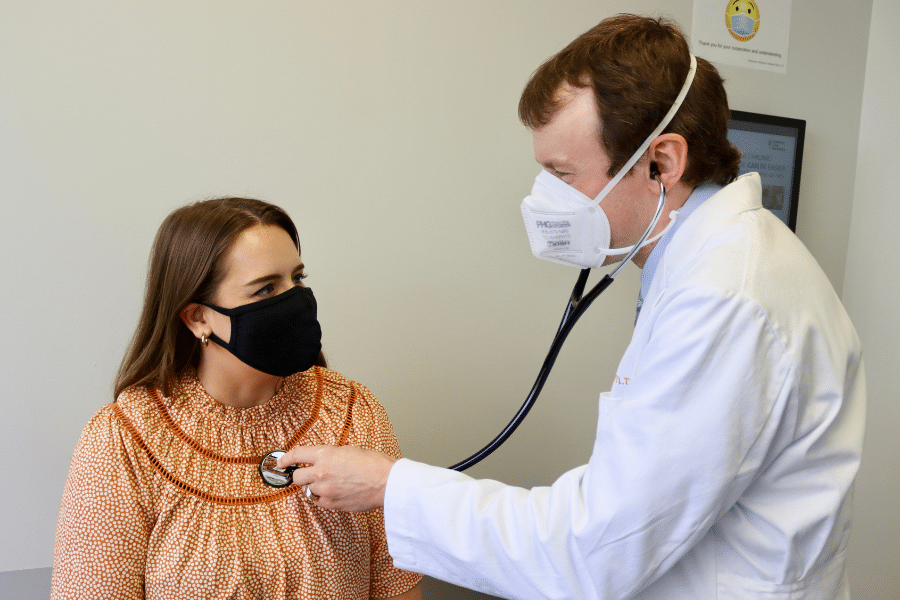
An allergist helps diagnose and treat allergies, and preparing for an appointment means documenting your symptoms, listing your medications, and knowing your medical history. When you arrive organized, you help your doctor identify triggers faster, leading to more accurate diagnoses and effective treatment plans. Here is more information on what an allergist does and what happens during an appointment:
What Is an Allergist?
An allergist is a medical doctor who specializes in diagnosing and treating allergic diseases and immune system disorders. Their specialized training qualifies them to manage conditions ranging from seasonal hay fever to life-threatening anaphylaxis, which helps you find relief. You may be referred to an allergist by your primary care physician when symptoms are persistent; specialist guidance provides targeted treatment plans.
What Services Do They Offer?
These healthcare professionals provide a range of diagnostic and treatment services tailored to your condition. Allergy testing includes skin prick tests and blood tests, and they are used to identify specific allergens that trigger your symptoms. Allergists also manage chronic conditions such as asthma and sinusitis, thereby improving overall quality of life. Treatment options may include allergen immunotherapy (allergy shots), prescription medications, and personalized avoidance strategies.
What Does an Appointment Entail?
A first appointment typically begins with a detailed review of your medical history. The allergist may ask about your symptoms, including when they started, how often they occur, and what seems to trigger them. They will also review your current medications, previous diagnoses, family history of allergies or asthma, and any treatments you’ve tried. This intake process forms the foundation for subsequent testing, and it guides treatment decisions.
After the history review is conducted, your doctor may perform a physical examination and recommend diagnostic testing. Skin prick testing may be conducted during this first visit; results are available quickly, allowing the allergist to begin discussing findings promptly. Some patients may require additional information or specific pre-test preparation before proceeding with testing.
How Can You Prepare?
Preparation affects the quality of information your healthcare provider can gather. Before your visit, compile a written summary of your symptoms, including when they began, how often they occur, and any patterns you’ve noticed, such as seasonal flare-ups or reactions to certain foods. The following items are useful to bring to your appointment:
- A written symptom log, including dates and possible triggers
- A full medication list, including dosages and frequency
- Records of previous allergy testing, if available
- A list of questions you want to ask your allergist
Arriving with organized records saves time and helps your doctor conduct a comprehensive evaluation. Patients who communicate clearly and come prepared may leave with more actionable guidance.
Prepare for Your Appointment Today
Seeing an allergist is a structured, evidence-based process designed to identify the root causes of your symptoms, and it aids the development of an effective management plan. From understanding what services are available to knowing what to bring on the day, preparation is beneficial. Documenting symptoms, reviewing medications, and gathering medical records give your doctor the information needed to act quickly. Schedule your appointment today.
