

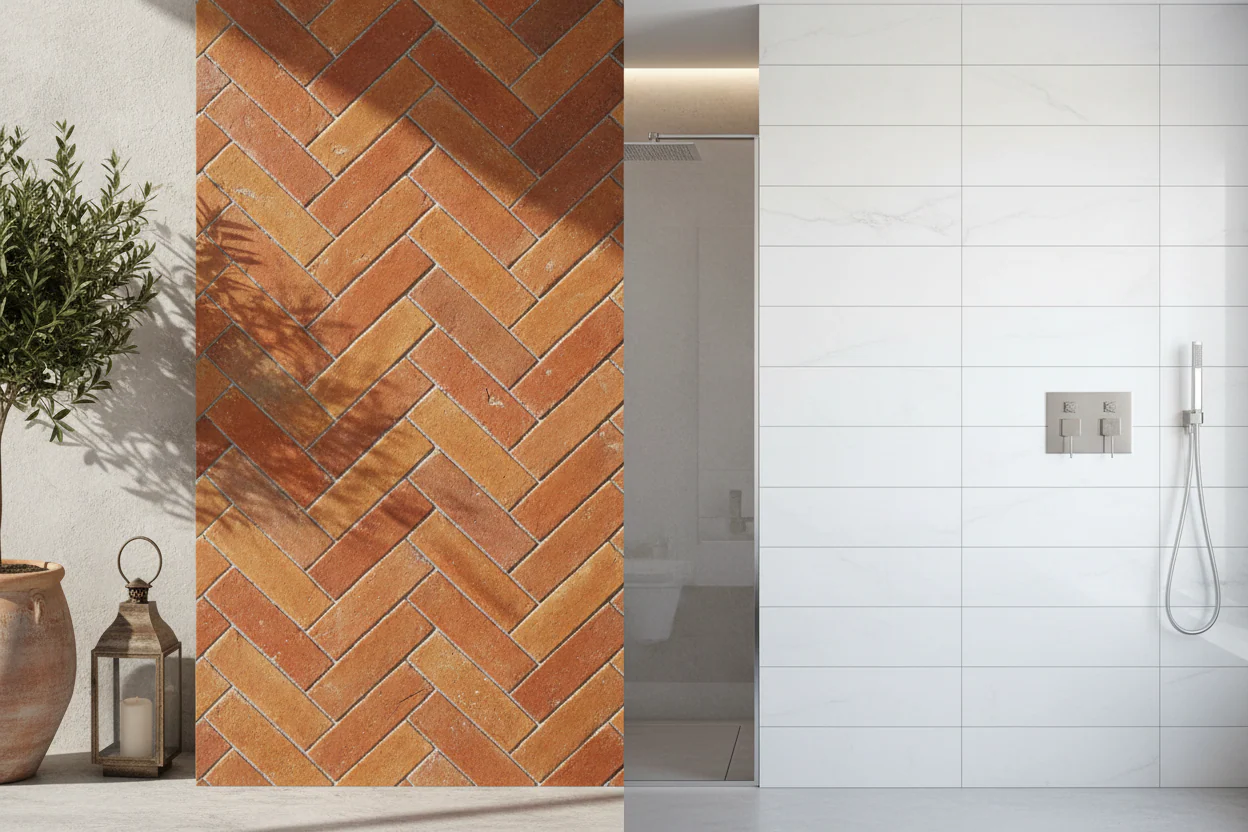
When it comes to home improvement and interior design, choosing the right materials can significantly impact the longevity and aesthetic appeal of a space. A common dilemma faced by homeowners is deciding between Terra Cotta Tiles and Ceramic Tiles, especially when durability is a top priority. Both options boast unique characteristics and uses, making the decision a nuanced one. This article delves into the specifics of each tile type, compares their durability, and offers guidance on selecting the best option for your home.
Terra Cotta Tiles: An Overview of Characteristics and Uses
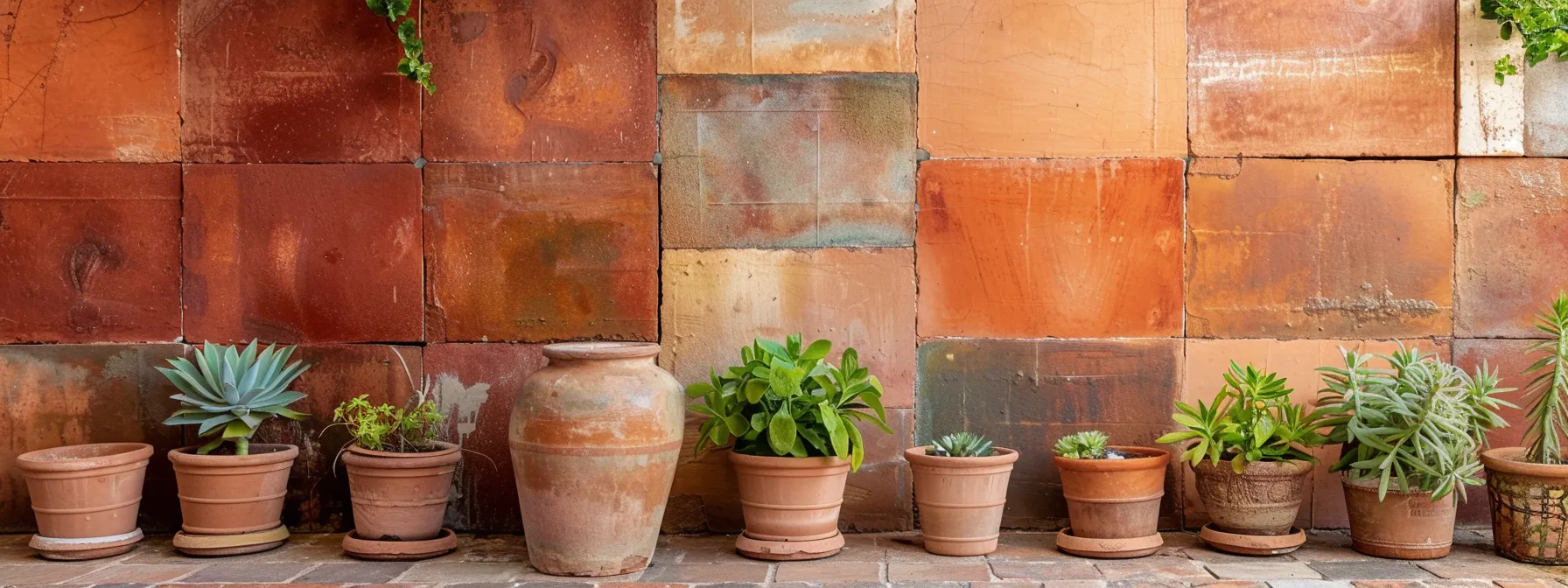
Terra Cotta Tiles, often recognized for their warm, rustic charm, are made from natural clay. They are fired at lower temperatures, which gives them a distinctive porous texture and vibrant earth tones. Due to their natural composition, they are considered a sustainable material, which aligns with eco-conscious design intents. Terra Cotta Tiles are often used in spaces where tactile feedback and an organic feel are desired, such as Mediterranean-style kitchens or outdoor patios.
One notable aspect of Terra Cotta Tiles is their ability to age gracefully, developing a patina over time that adds character to any interior palette. However, their porous nature requires sealing to prevent moisture absorption, which can impact their long-term durability. For those inspired by a mood board featuring warm, earthy tones, Terra Cotta Tiles can serve as a focal point in a room.
For more information on Terra Cotta Tiles and their applications, visit the Terra Cotta Tiles collection.
Ceramic Tiles: Key Features and Common Applications
Ceramic Tiles are crafted from a mixture of clay and other materials, which are fired at higher temperatures than Terra Cotta, resulting in a denser and less porous product. This makes them a versatile choice for various applications, including kitchens, bathrooms, and high-traffic areas. Their design flexibility allows them to complement a wide range of interior palettes, and they can mimic the appearance of natural stone or wood.
In terms of maintenance, Ceramic Tiles are generally easier to clean and more resistant to stains, thanks to their glazed surface. They also offer an extensive range of colors and patterns, making them suitable for those who prioritize color theory in their design approach. Furthermore, they are often used in conjunction with other elements like millwork and FF&E (Furniture, Fixtures, and Equipment) to achieve a cohesive design intent.
Recent analysis from Architectural Digest highlights the growing popularity of ceramic tiles in modern home design.
Durability Comparison: Terra Cotta vs Ceramic Tiles
When comparing the durability of Terra Cotta Tiles and Ceramic Tiles, several factors come into play, including their composition, maintenance requirements, and environmental exposure. Ceramic Tiles typically offer superior durability due to their non-porous nature and resistance to water and stains, making them ideal for high-moisture areas.
Terra Cotta Tiles, while charming, require regular sealing to maintain their integrity, especially in areas exposed to frequent moisture or heavy foot traffic. Without proper maintenance, they may be prone to cracking and chipping, unlike their ceramic counterparts. However, in dry, temperate climates, Terra Cotta Tiles can last for decades, especially when used in outdoor hardscaping projects.
Ultimately, the choice between these tiles should consider the specific space planning needs and the desired balance between aesthetic appeal and practical functionality.
Choosing the Right Tile for Your Space and Lifestyle
When deciding between Terra Cotta and Ceramic Tiles, consider the specific requirements of your space and lifestyle. For instance, if you’re designing a kitchen that serves as a focal point in your home, Ceramic Tiles might offer the durability needed to withstand daily wear and tear while complementing the overall design intent. On the other hand, if you’re aiming to create a cozy, rustic atmosphere in a low-traffic area, Terra Cotta Tiles could be the perfect choice.
Additionally, consider other factors such as climate, maintenance commitment, and the overall interior palette when making your decision. The tactile feedback from each tile type can also influence the ambiance of a space, so it’s essential to align your choice with your personal preferences and lifestyle needs.
Conclusion

Both Terra Cotta Tiles and Ceramic Tiles offer unique benefits and potential drawbacks when it comes to durability and design. While Ceramic Tiles provide enhanced durability and versatility, Terra Cotta Tiles bring a distinct warmth and character that can transform a space. Carefully evaluating your specific needs and style preferences will ensure that you select the tile option that best suits your home improvement and interior design goals.
