

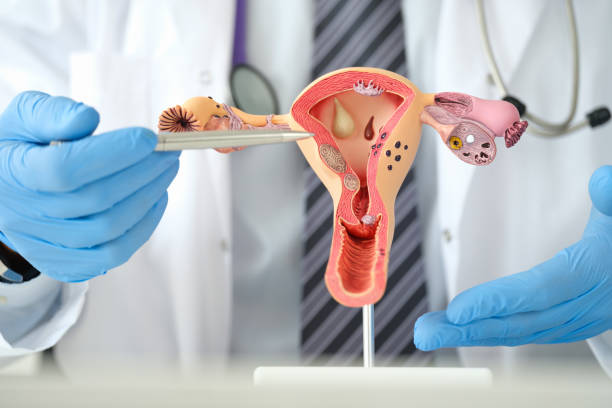
Gynecological conditions are common, but many women are unaware of the symptoms or delay seeking medical care. Early recognition of these conditions can lead to timely treatment and better outcomes.
Understanding common gynecological issues can help women take control of their health and avoid complications.
Irregular Menstrual Cycles
Irregular periods are one of the most common concerns.
What Counts as Irregular?
- Cycles shorter than 21 days or longer than 35 days
- Missed periods
- Heavy or prolonged bleeding
Possible Causes
- Hormonal imbalances
- Stress
- Weight changes
- Medical conditions
Tracking your cycle can help identify patterns and provide useful information for healthcare providers.
Painful Periods (Dysmenorrhea)
Many women experience menstrual pain, but severe discomfort should not be ignored.
Symptoms
- Intense cramping
- Lower back pain
- Nausea or fatigue
Severe pain may indicate underlying conditions and should be evaluated.
Reproductive Infections
Infections can affect different parts of the reproductive system.
Common Symptoms
- Unusual discharge
- Itching or irritation
- Pain during urination
Early treatment is important to prevent complications.
Ovarian Cysts
Ovarian cysts are fluid-filled sacs that develop on the ovaries.
Symptoms
- Pelvic pain
- Bloating
- Changes in menstrual cycle
Many cysts are harmless, but some require monitoring or treatment.
Hormonal Disorders
Hormonal imbalances can affect many aspects of health.
Symptoms
- Irregular periods
- Acne
- Mood swings
- Weight changes
Managing lifestyle factors and seeking medical advice can help regulate hormones.
Pelvic Pain
Pelvic pain can have various causes and should not be ignored if it is persistent.
Possible Causes
- Menstrual issues
- Infections
- Structural problems
A proper diagnosis is essential for effective treatment.
Preventive Measures for Gynecological Health
Taking preventive steps can reduce the risk of many conditions.
Healthy Habits
- Maintain a balanced diet
- Exercise regularly
- Manage stress
- Practice good hygiene
Regular Medical Care
Routine checkups and screenings are essential for early detection.
When to Seek Medical Attention
Consult a healthcare provider if you experience:
- Severe or persistent pain
- Heavy bleeding
- Unusual discharge
- Missed periods without pregnancy
Prompt medical care can prevent complications.
Long-Term Health and Awareness
Awareness is one of the most powerful tools for maintaining gynecological health.
Understanding your body, tracking changes, and seeking medical advice when needed can help you stay healthy.
Conclusion
Gynecological conditions are common, but early recognition and proper care can make a significant difference.
By staying informed and proactive, women can protect their reproductive health and maintain overall well-being.
FAQ: Gynecological Conditions
What causes painful periods?
Hormonal changes or underlying conditions.
Are ovarian cysts dangerous?
Most are harmless but may require monitoring.
When should I see a doctor?
If symptoms are severe, persistent, or unusual.
Can stress affect menstrual cycles?
Yes, stress can disrupt hormone levels.
