

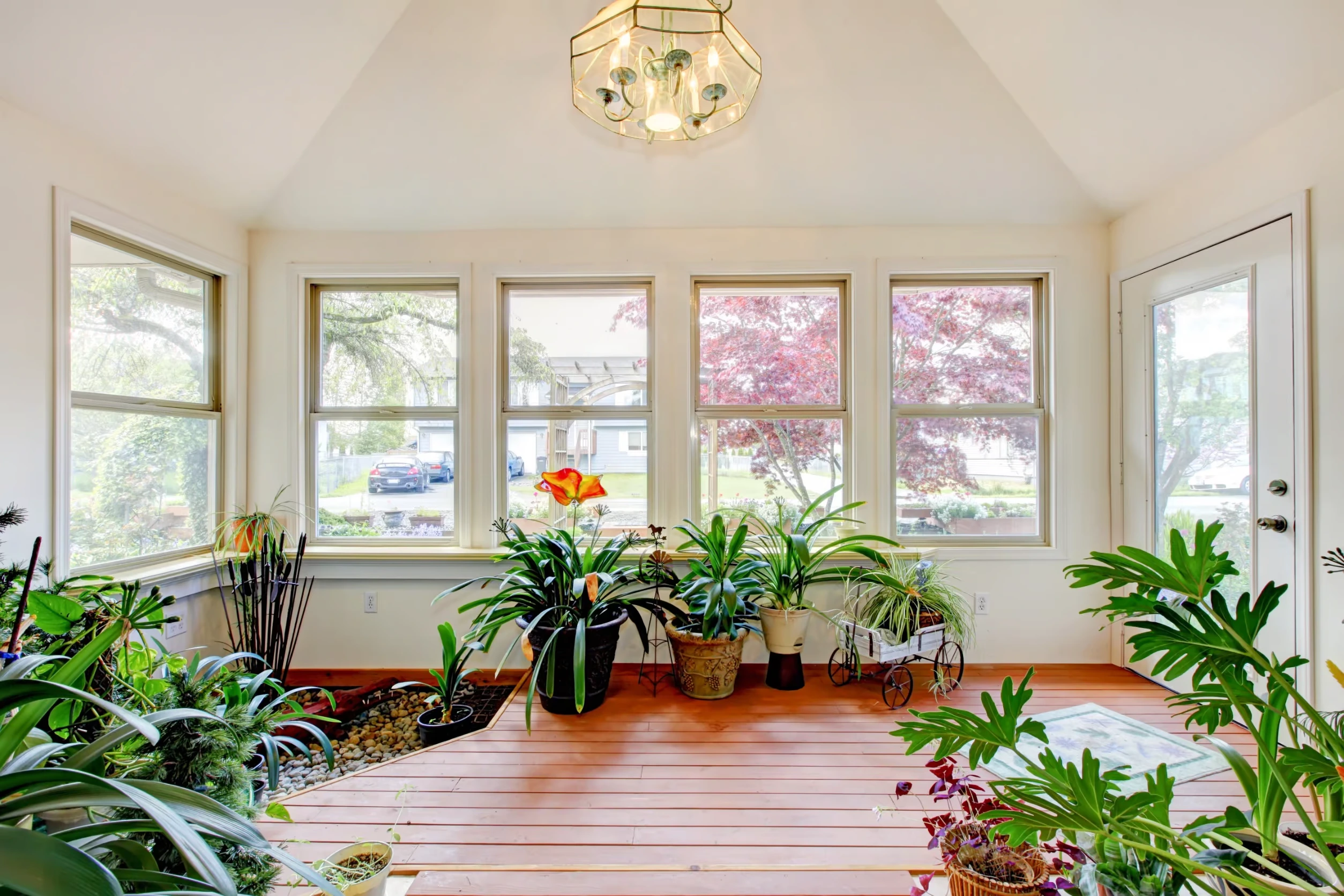
Few home additions get used as often as a sunroom. It gives you a bright place for morning coffee, a dry spot to sit during a summer storm, and a view of the weather without the drafts. For homeowners near the Delaware coast, it can also turn a rarely used deck into space you enjoy most of the year. Before you start planning, though, it helps to know what drives the price, what approvals are required, and which decisions matter most early on.
Start with the three-season or four-season question
This choice shapes almost everything else. A three-season room is built for spring, summer, and fall. It usually isn’t tied into your home’s heating and cooling, so it costs less and often goes up faster. A four-season room is insulated and climate-controlled, which makes it comfortable in January but adds electrical, insulation, and HVAC work. If you’re weighing the two, it’s worth reading through local sunroom addition costs in Selbyville, to see how much of the budget comes down to that decision alone.
Your existing structure can save real money
If you already have a solid deck or patio, you may be able to build on it, which can reduce foundation costs. A contractor will need to check that the footings and framing can carry the extra weight. If the base is in poor shape, budget for repairs before the room goes up. Starting from bare ground costs more, so it’s worth having someone inspect what you already have before you assume you need to start over.
Expect permits, and plan for them early
In Sussex County, a sunroom is not a project you can build without a building permit. The process typically includes a residential standard plan, and larger projects that disturb enough land may also need an erosion control plan. Setbacks depend on your zoning district, and properties near the Route 113 corridor can have extra requirements. Skipping the permit can lead to failed inspections, trouble when you sell, and insurance headaches if something goes wrong later. A good local contractor handles this paperwork for you.
Coastal conditions change how a room should be built
Salt air and humidity are hard on materials, so higher-quality glass, framing, and fasteners are worth paying for near the water. If your home is in a designated flood zone, elevation rules and flood-resistant construction methods can affect both the design and the cost. This is a good reason to hire someone who builds on the Eastern Shore regularly and already knows how these rules work in practice.
Watch the energy code change if you want a four-season room
Delaware homeowners planning a conditioned addition should also be aware that Sussex County is moving to the 2024 energy code for these projects starting in 2027, and plans submitted after the end of 2026 will need an energy compliance report. If a four-season room is on your list, talk to your contractor about timing so your plans are prepared correctly.
Ask for an itemized estimate
When you compare bids, look for a written breakdown covering the foundation, structure, glass, electrical, any HVAC, and permits. A single lump-sum number makes it impossible to tell where the money is going or why two quotes differ. It’s also smart to ask who pulls the permits, how they handle unexpected structural issues, and whether they can show you sunrooms they’ve built nearby.
The bottom line
A sunroom can add comfort and value to a coastal home, but the best results come from making a few decisions early: the type of room, the condition of your existing structure, and a builder who understands local permits and building conditions. Take your time, get more than one itemized estimate, and plan around the permit timeline so the project runs smoothly.
