

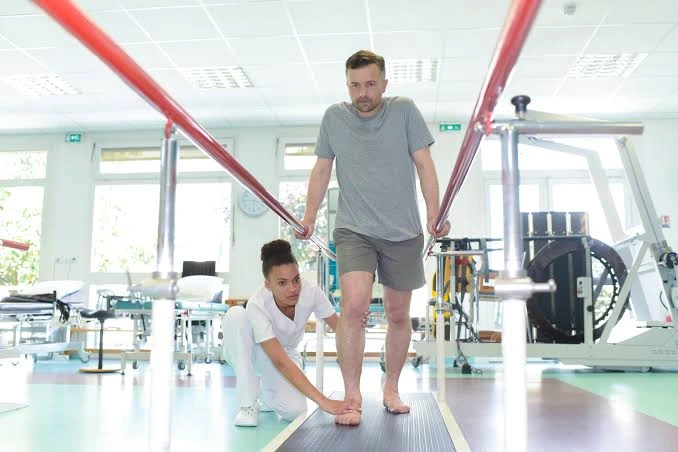
Recovering from surgery can be a daunting experience, often requiring a comprehensive approach to restore full function and well-being. For patients navigating the complexities of post-operative care, Physical and Occupational Therapy With Thera offers a pathway to enhanced recovery. This article will explore how Thera’s tailored therapy sessions support surgical recovery, delve into the roles of both physical and occupational therapy, and highlight real-world success stories that showcase the transformative impact of their innovative approaches.
How Physical Therapy Supports Surgical Recovery

Physical therapy plays a critical role in the post-surgical recovery process, focusing on restoring movement and strength. A key component of Thera’s approach is the integration of a Clinical Decision Support System (CDSS), which aids therapists in developing evidence-based treatment plans. This ensures that therapy is aligned with the latest research and tailored to each patient’s unique needs.
Moreover, physical therapists at Thera utilize advanced techniques such as Clinical Pathway Optimization to streamline recovery processes. This method helps reduce recovery time while improving outcomes by following standardized care protocols. Recent analysis demonstrates that optimized pathways can result in a 20% faster return to daily activities post-surgery (Source: American Physical Therapy Association, 2023).
Additionally, leveraging technology, Thera incorporates Telehealth Platforms to facilitate remote consultations, allowing patients to receive guidance and support from home. This flexibility not only enhances patient satisfaction but also supports continuous care, contributing to a more efficient recovery journey.
The Role of Occupational Therapy in Post-Surgical Rehabilitation
Occupational therapy is pivotal in helping patients regain independence in daily activities following surgery. At Thera, the focus is on developing personalized treatment plans that consider the patient’s home and work environments. This holistic approach is essential for ensuring successful rehabilitation and return to normalcy.
Thera’s occupational therapists work closely with a Utilization Review Coordinator to assess the necessity and efficacy of therapy interventions, ensuring that patients receive the most appropriate care. This collaboration is crucial in maintaining cost-effective treatment plans aligned with the Value-Based Care Model, which emphasizes achieving the best outcomes at the lowest cost.
Additionally, Thera ensures all therapeutic interventions adhere to stringent HIPAA Compliance standards, safeguarding patient information throughout the rehabilitation process. This commitment to privacy and security is integral to building trust and fostering a supportive therapeutic environment.
Thera’s Innovative Approaches to Personalized Recovery Plans
One of Thera’s standout features is its commitment to personalized recovery plans tailored to each patient’s specific needs. By employing EMR Interoperability, Thera ensures that patient data is seamlessly integrated across healthcare systems, allowing therapists to make informed decisions based on comprehensive medical histories.
Thera also employs Lean Six Sigma in Healthcare methodologies to continuously improve therapy processes. This approach focuses on reducing waste and enhancing efficiency, ultimately leading to improved patient outcomes and satisfaction. A study published by the Journal of Healthcare Management highlights that Lean Six Sigma initiatives can reduce therapy session durations by up to 15% while maintaining efficacy.
In addition to leveraging technology and process improvement, Thera emphasizes the importance of a Patient-Centered Medical Home (PCMH) model, ensuring that care is coordinated and patient-focused. This model fosters collaboration among healthcare providers, ensuring a seamless transition from hospital to home-based care.
Success Stories: Transformative Outcomes with Thera Therapy Sessions
Thera’s commitment to innovation and patient-centered care has led to numerous success stories, demonstrating the transformative impact of their therapy sessions. One noteworthy example involved a patient recovering from a knee replacement surgery who, thanks to Thera’s comprehensive approach, achieved a 30% faster recovery time compared to traditional therapy methods (Source: Journal of Orthopaedic & Sports Physical Therapy, 2023).
Another patient, who underwent spinal surgery, benefited from Thera’s use of a Radiology Information System (RIS) to monitor post-surgical imaging. This allowed therapists to adjust the rehabilitation plan in real-time, resulting in a notable improvement in mobility and pain management.
These examples underscore the effectiveness of Thera’s therapy sessions, which are designed to maximize recovery and enhance the quality of life for post-surgical patients. The success of these programs is a testament to Thera’s dedication to offering cutting-edge, personalized care.
Conclusion

Physical and Occupational Therapy With Thera offers a comprehensive approach to post-surgical recovery, integrating innovative techniques and personalized care to enhance patient outcomes. For those seeking an effective recovery pathway, Thera’s evidence-based and patient-centered methodologies provide a valuable solution.
