

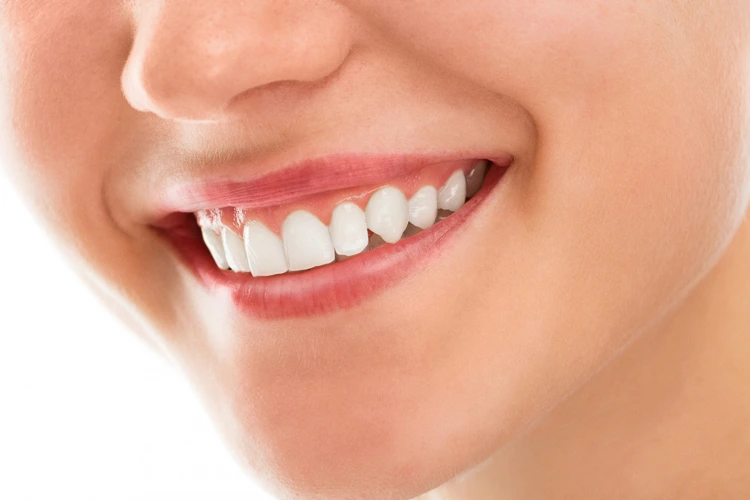
Teeth whitening is a cosmetic dental treatment available in many dental offices today. You can learn more about the causes of discoloration and various whitening methods; this may help you make informed decisions about your dental care. Here is more information about teeth whitening and what it does:
Understanding Tooth Discoloration
Teeth whitening treatments work by targeting specific types of stains, so knowing which kind you have matters. Stains fall into two main categories: intrinsic and extrinsic. While extrinsic stains respond effectively to whitening, intrinsic stains may require other procedures to address them.
Intrinsic Stains
Intrinsic stains originate inside the tooth structure itself. These develop from factors like certain medications, such as tetracycline taken during childhood; other causes include excessive fluoride exposure during tooth development, trauma to a tooth, and natural aging. Because intrinsic stains are embedded within the enamel or dentin, they are more challenging to address and may require more advanced treatments to cover them.
Extrinsic Stains
Extrinsic stains, by contrast, form on the outer surface of the enamel. Common causes include:
- Consuming darkly pigmented foods and beverages, such as coffee, tea, red wine, and berries
- Tobacco use, whether smoked or chewed
- Poor oral hygiene habits that allow surface deposits to build up over time
Whitening treatments are effective on extrinsic stains. Some surface-level intrinsic stains may respond to professional whitening, though deeper intrinsic discoloration often calls for alternative cosmetic solutions, such as veneers.
Explaining In-office Whitening
In-office whitening is performed by a dental provider. The treatment uses high-concentration bleaching agents, typically hydrogen peroxide gels, that are not available in retail products. Treatment time is relatively quick, and many patients see visible results in a single appointment.
The process begins with a protective barrier applied to the gums, shielding soft tissue from the whitening agent. The gel is then applied to the tooth surfaces, and many systems use a special light or laser to activate the bleaching compounds. Because dental professionals use stronger formulations and can monitor the process closely, results tend to be more dramatic than those achieved through at-home methods.
Keeping Your Teeth Whiter
With some adjustments to habits and routines, you can help your teeth stay whiter for longer after a whitening treatment. You can incorporate the following habits to help preserve your results:
- Limit staining beverages such as coffee, tea, and red wine to slow re-discoloration.
- Brush twice daily and floss regularly.
- Schedule periodic touch-up treatments as recommended by your dental provider to sustain your whitening results over time.
- Avoid tobacco products, as they are among the leading contributors to extrinsic staining and broader oral health concerns.
By making these simple yet effective changes, you can extend the longevity of your whitening treatment and maintain a brighter, healthier smile.
Ask About Teeth Whitening Today
Teeth whitening treatments are available as in-office procedures and professional take-home kits, and each is suited to different timelines and goals. Extrinsic stains respond well to most whitening methods, while intrinsic discoloration may call for a more tailored approach. Consistent oral hygiene and mindful dietary habits help preserve results over time. If you have questions about teeth whitening options available to you, consult a dental provider in your area.
