

Spinal cord injuries involve damage to the spinal canal that results in a loss of function or mobility. The recovery process requires time, and patients benefit from participating in dedicated neurorehabilitation programs to regain their strength. Support systems play a valuable role in navigating the changes following an injury. Here is more information on these injuries and how support systems help patients recover:
What Are Spinal Cord Injuries?
Spinal cord injuries occur when trauma or disease damages the cells within the spinal canal. This damage disrupts the signals transmitted between the brain and the rest of the body, and patients may lose voluntary motor control. When these neurological pathways break down, the patient experiences altered sensory functions.
Medical professionals classify these injuries as either complete or incomplete based on the extent of the damage. A complete injury results in a total loss of sensory and motor function below the level of injury, causing major disruptions to daily activities. Incomplete injuries mean the patient retains some motor or sensory function, and this dictates the specific trajectory of the rehabilitation process.
What Causes Them?
Physical trauma is the primary cause of damage to the structural integrity of the spinal cord. Motor vehicle accidents, falls, and sports injuries may lead to these severe medical conditions. Non-traumatic causes also exist, and they include arthritis, inflammation, infections, or spinal disc degeneration. Specific incidents dictate the severity and location of the spinal damage, which medical professionals review to understand the exact mechanism of the injury.
What Are the Symptoms?
The symptoms of a spinal cord injury are contingent upon the location and severity of the damage. Common clinical presentations include:
- A loss of movement or altered sensation.
- A loss of bowel or bladder control.
- Changes in sexual function, sensitivity, and fertility.
- Exaggerated reflex activities or spasms in the extremities.
- Breathing difficulties and persistent nerve pain.
A physician will conduct a comprehensive neurological exam and use diagnostic imaging to document symptoms and formulate a therapeutic strategy.
What Is Recovery Like?
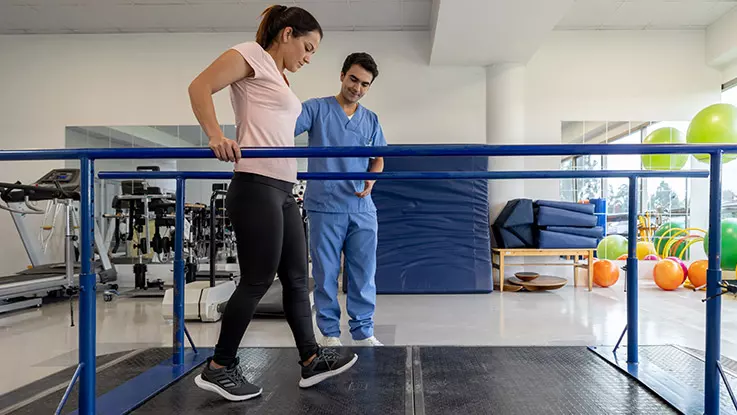
Recovery at a neurorehabilitation clinic involves a multidisciplinary approach, which focuses on maximizing physical function. Physical therapists guide patients through exercises designed to strengthen muscles, and they work to improve overall coordination. Occupational therapists concurrently teach adaptive techniques for managing daily life skills.
Patients undergo evaluations regularly, and clinicians adjust their treatment protocols based on their functional progress. Assistive devices may become a standard part of the patient’s daily routine during this phase. Wheelchairs, walkers, and electronic aids help individuals navigate their environments safely. The clinical staff trains patients on the proper usage of these devices, thereby enhancing their functional independence.
How Are Support Systems Beneficial?
Support systems offer assistance that facilitates a patient’s transition through the rehabilitation phases. Caregivers assist with mobility exercises, while medical staff monitors clinical metrics to track healing. This combined effort creates an environment conducive to sustained medical progress, potentially expediting recovery.
Peer support groups connect patients with individuals facing similar physical challenges. These connections provide practical advice for living with spinal cord injuries, and they offer a structured forum for sharing experiences. Family members integrate into the care plan by learning specific therapeutic techniques from the clinical staff. They can help maintain the physical therapy schedule once the patient leaves the immediate care facility.
Seek Professional Support Today
Recovering from spinal cord injuries requires comprehensive medical care and a reliable network of support, from medical professionals, family, and friends. Understanding the symptoms, the causes, and the rehabilitation process prepares patients for the work ahead. Contact a neurorehabilitation clinic today to schedule a consultation and begin developing a personalized recovery strategy.
