

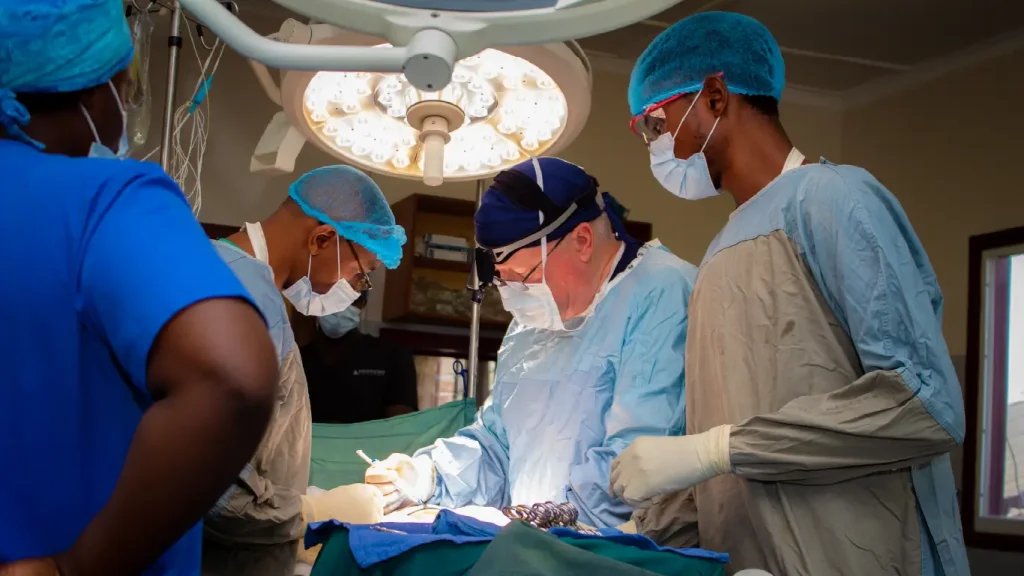
General surgeons perform a wide variety of surgical procedures and diagnostic evaluations within varied medical environments. These trained medical professionals operate on inner organs, and they handle emergency surgery for those requiring immediate medical intervention. Because rural populations live far from large hospitals, small clinics rely on the expertise of surgeons to treat health conditions. These surgeons often work with certain limitations, but they find ways to mitigate any deficiencies to treat their patients safely.
Distance From Hospitals
When patients live far from a well-equipped hospital, transportation delays can be an obstacle for general surgeons and medical teams. Rural surgeons coordinate with emergency medical teams to expedite patient transfers across longer distances. The surgical team establishes communication protocols for ambulance services, and they often use helicopters to travel quickly in severe conditions.
Remote geography can lengthen ambulance response times due to indirect paths, so rural doctors and emergency medical staff are trained on medical stabilization techniques during transport and upon patient arrival. Adverse weather conditions present unique issues, requiring communication between a doctor and emergency responders. If a doctor is able to speak with responders, they can offer counsel and directions to help stabilize the patient. These methods improve long-term patient recovery rates from traumatic health incidents.
Limited Resources
Many rural healthcare centers have restrictive budgets and limited technology assets, especially when compared to larger hospital networks within cities. While urban medical centers often feature new technology, small-town surgeons rely on traditional medical technology to complete their surgeries. Surgeons advocate for regional funding, and they regularly build networks with neighboring clinics to reduce financial burdens on each other.
Highly specialized surgical instruments may be unavailable in a remote clinic, so resourceful doctors adapt their tools to meet patient needs. Surgeons maintain standard sterilization techniques to extend the lifespan of existing equipment. If one of their tools breaks, the medical team can use other tools and techniques to perform surgery safely. Training for surgical staff often includes older, yet functional and safe, techniques for performing routine surgeries.
Because regional remote areas often have blood banks with lower inventory levels, surgeons use blood conservation methods for surgery to prevent blood loss in patients. They often use medications to minimize bleeding, or they utilize technology to recycle a patient’s blood back into the patient safely during surgery. Surgical centers try to prepare for any circumstance by having tools and resources ordered early, so they minimize the likelihood of not having the required tools. These resource management practices prevent medical supply shortages during emergency events.
Fewer Medical Staff
Small community hospitals normally employ fewer medical professionals and nurses than larger hospitals. General surgeons train across medical practices, and they frequently train their staff to handle operative duties to be prepared for any surgical need. When a rural clinic lacks a medical specialist for a certain condition, a general surgeon consults with other experts to create a treatment plan. This collaboration network elevates the clinic’s capacity to handle medical problems that may arise in its community.
Learn More About General Surgeons
Since rural healthcare clinics have unique obstacles, professional medical providers adapt their training to consistently provide high-quality care. General surgeons utilize the resources at their disposal, and they train medical staff to do the same. Contact a general surgeon to understand more about how they treat individuals living in rural areas.
