

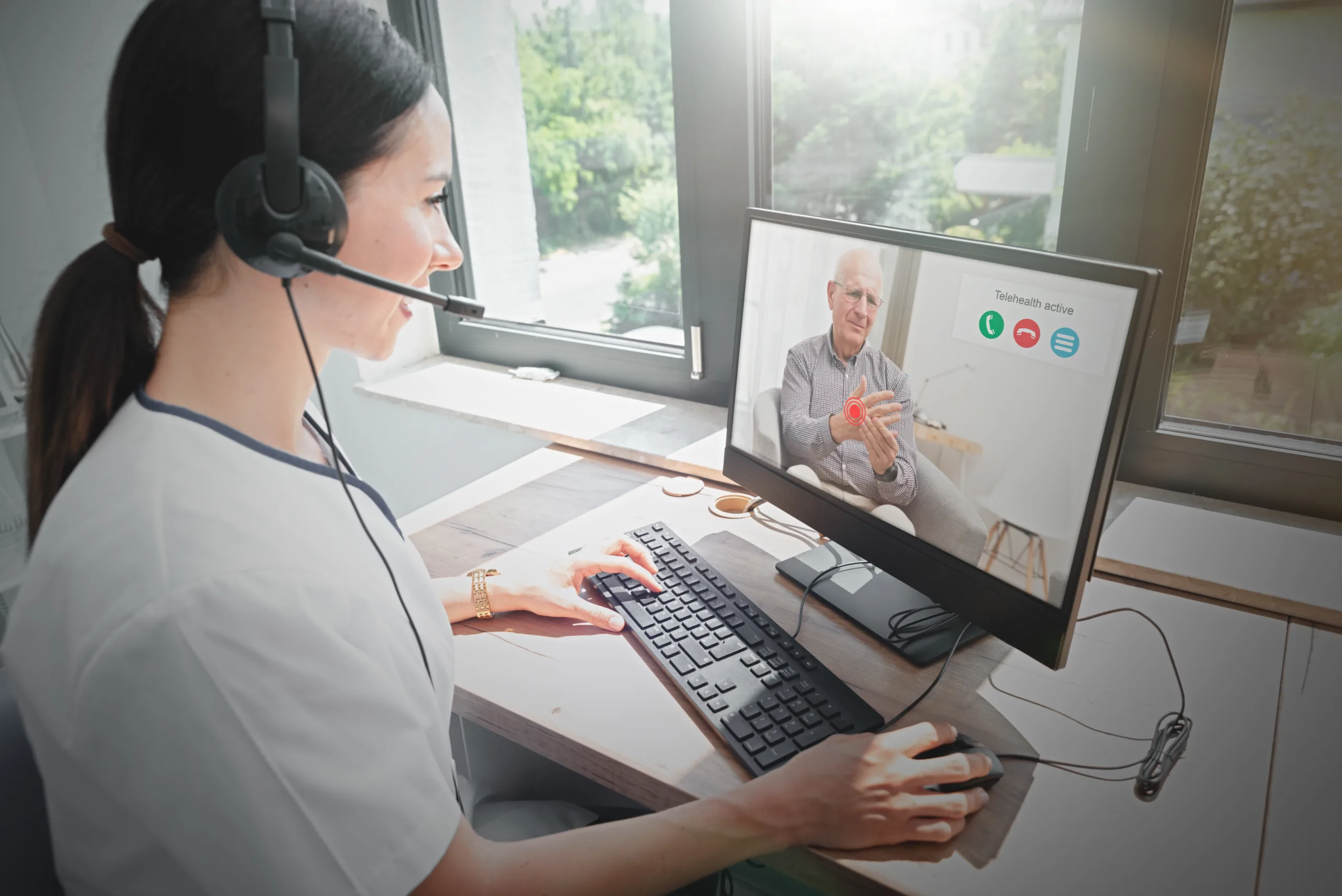
Telehealth therapy has emerged as a convenient and effective approach to accessing mental health support, offering individuals greater flexibility and continuity of care. As virtual platforms become increasingly integrated into healthcare delivery, understanding how to optimize each session is key. Telehealth therapy enables patients to engage with licensed professionals from the comfort of their own environment, but its effectiveness often depends on preparation, communication, and consistency.
Create A Private Comfortable Environment
Your physical surroundings play a key role in the success of your telehealth therapy sessions. It is important to find a quiet room where you can speak freely without fear of being overheard, so pick a space with a locking door or use a white noise machine to block sounds. Since this level of privacy is a fundamental requirement for e-therapy, you should also clear your desk of any unrelated paperwork. Treating this space like a real clinic will help you stay focused and prevent interruptions.
Comfort directly impacts your ability to focus, and a cozy environment makes the experience more productive. You should sit in a supportive chair that helps you maintain good posture throughout the hour. You might want to keep a glass of water nearby and adjust the room temperature to your liking before your session begins.
Prepare For Each Session Early
Jumping from work into therapy often leads to poor results, so you need a buffer period to shift your mindset. Taking five minutes to breathe can calm your nervous system and prepare your brain for meaningful dialogue. You can use this time to stretch and grab a notebook. Writing down your thoughts before the appointment gives the conversation a clear direction, and contemplating recent challenges helps you focus.
Reviewing notes from past sessions helps you track your progress over time and reminds you of the coping strategies you’ve learned. This simple habit keeps your goals fresh in your mind. You will notice patterns in your behavior, and because you’ve identified them, you can share these insights with your provider.
Be Honestly Open and Engaged
Honesty is key to a good therapeutic relationship. You must share your true feelings to see real change. Holding back information limits your therapist’s ability to help, so speak your truth to build a strong foundation for your virtual therapy process. Engagement requires active listening, and you should ask questions if something is unclear. While nodding helps, verbally confirming your understanding is even better and establishes active participation.
The virtual format can make it hard to read body language, so you must articulate your emotions clearly. For instance, tell your therapist if a topic makes you anxious. This clear communication bridges the digital gap, and it strengthens your connection. Fully participating in the conversation helps your therapist understand your full situation.
Use Technology To Your Advantage
To avoid technical issues, confirm that your internet connection is stable, and close any unnecessary browser tabs. A quick test beforehand can prevent frustrating delays, and using a headset with a built-in microphone will provide the best sound clarity. Since speakers can cause echo, you should always use headphones so that you and your therapist can communicate well.
For a more natural interaction, position your camera at eye level on a stable surface. Proper lighting is also necessary because it helps your therapist read your facial expressions and visual cues. Mastering these small technical details can make your e-therapy sessions much more productive.
Book Your Telehealth Therapy Appointment
Remote counseling offers an accessible path toward lasting positive changes. Implementing these practical tips will elevate your overall experience and help you achieve your personal goals. Contemplate reaching out to a licensed provider to start this process. Book a telehealth therapy appointment with a mental health clinic near you today for psychotherapy services tailored to your specific needs. Virtual therapy brings high standards of professional guidance and support directly to your fingertips, fitting around your busy schedule.
