

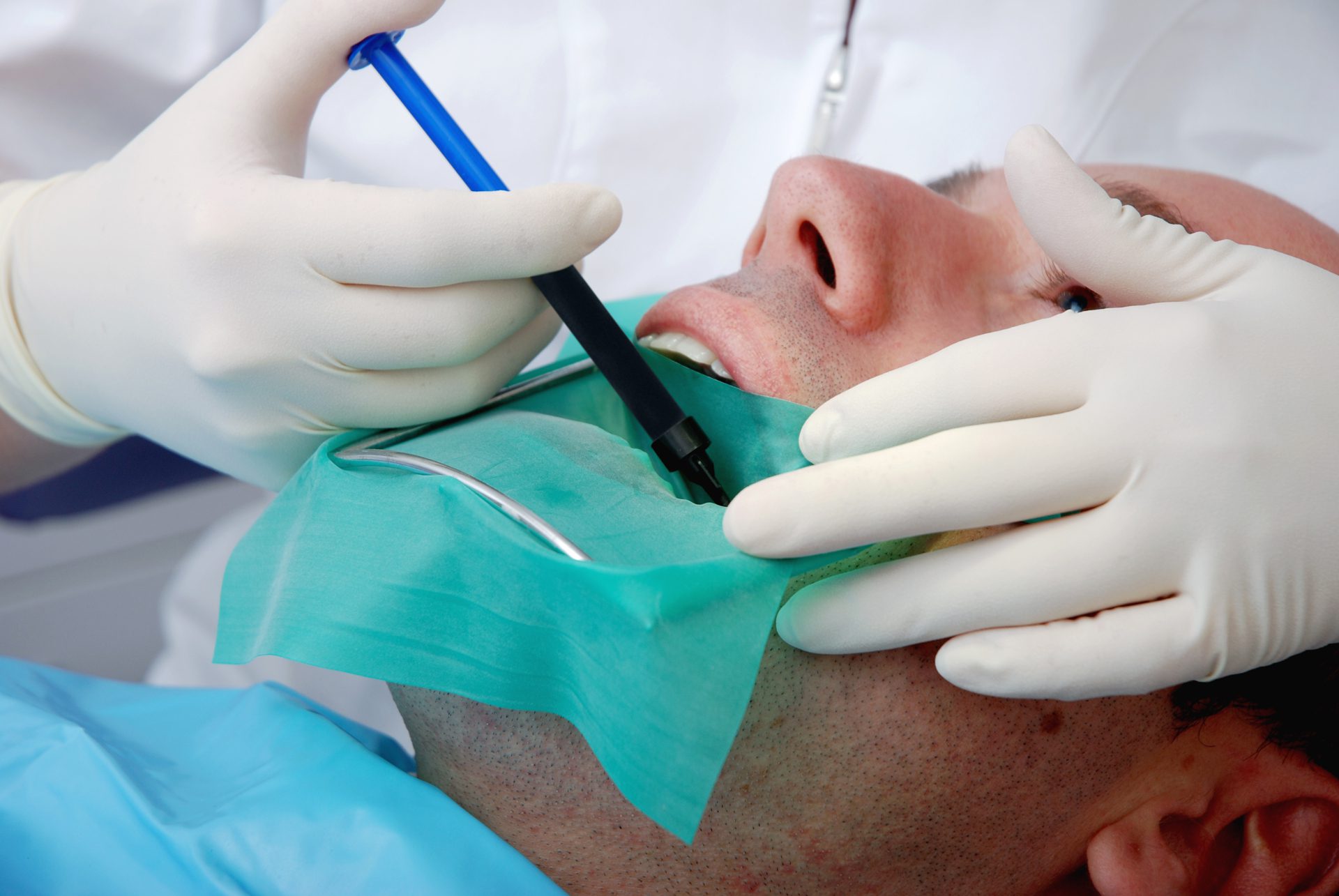
Root canal therapy is an endodontic procedure that treats teeth with infected or damaged pulp. Dental pulp contains nerves, blood vessels, and connective tissue, and removing it helps eliminate infection while preserving natural teeth. When the inner tooth is compromised, a dentist or endodontist seals the tooth after cleaning it to prevent further issues. Here’s information on root canals and what to expect during your treatment:
When You May Need One
Endodontist treatment allows you to retain your natural teeth, maintain normal chewing functions, and preserve your standard bite force. Dental professionals typically recommend root canal therapy when the inner tissues of a tooth experience significant inflammation or bacterial infection. Inner tooth conditions often arise from severe, untreated cavities that penetrate beneath the protective enamel and dentin layers.
Deep decay can compromise the outer enamel, or a crack in the tooth can expose the vulnerable pulp inside. Repeated dental procedures on the same tooth can also stress the pulp over time, eventually necessitating its removal. Facial trauma from accidents or falls can cause structural damage that impacts the nerve, even if the tooth does not show visible chips or cracks. While some individuals experience distinct thermal sensitivity, swelling, or localized discomfort, others may require a root canal even if they display no noticeable symptoms. Routine dental examinations and X-rays are primary methods used by dentists to identify underlying pulp damage before it progresses.
What To Expect
This therapy usually requires one or two visits to a dental office, depending on the severity of your tooth’s condition. Your dentist will first administer local anesthesia to numb your tooth and the surrounding tissue, making sure the area is completely desensitized. A small protective sheet, called a dental dam, is then placed over the area to isolate your tooth and keep it clean and free of saliva during treatment. Once the tooth is prepared, here are the next steps:
- The dentist creates a small access opening in the crown of the tooth.
- Through this opening, specialized micro-instruments are used to clean out the diseased areas from the pulp chamber and the root canals.
- The inner hollowed space is shaped, disinfected, and thoroughly washed to remove any remaining debris.
- A biocompatible, rubber-like material called gutta-percha is used to fill the clean canals, and the tooth opening is sealed.
To finish this treatment, a temporary filling is placed over the access hole to protect the tooth until a permanent restoration is ready.
How To Preserve Your Results
Proper care is key to making sure your treated tooth stays healthy after this procedure. For the first few days, the surrounding gum tissue may feel slightly sensitive, especially if you had inflammation prior. During this initial healing phase, avoid chewing hard or crunchy foods directly on the treated side of your mouth. This helps you heal and prevents damage to the temporary filling if you need a second appointment. You should maintain good oral hygiene habits, even with the permanent restoration. A tooth that has undergone root canal therapy becomes more brittle over time, making a permanent crown or protective filling necessary to restore strength and function.
Get Root Canal Therapy
Root canal treatments save teeth that would otherwise require extraction, restoring form and function of natural teeth. If you suspect you have tooth damage or have been advised to undergo endodontic care, contact a dentist near you. By working with a specialist, you can effectively address your dental needs and explore appropriate ways to maintain your health.
