

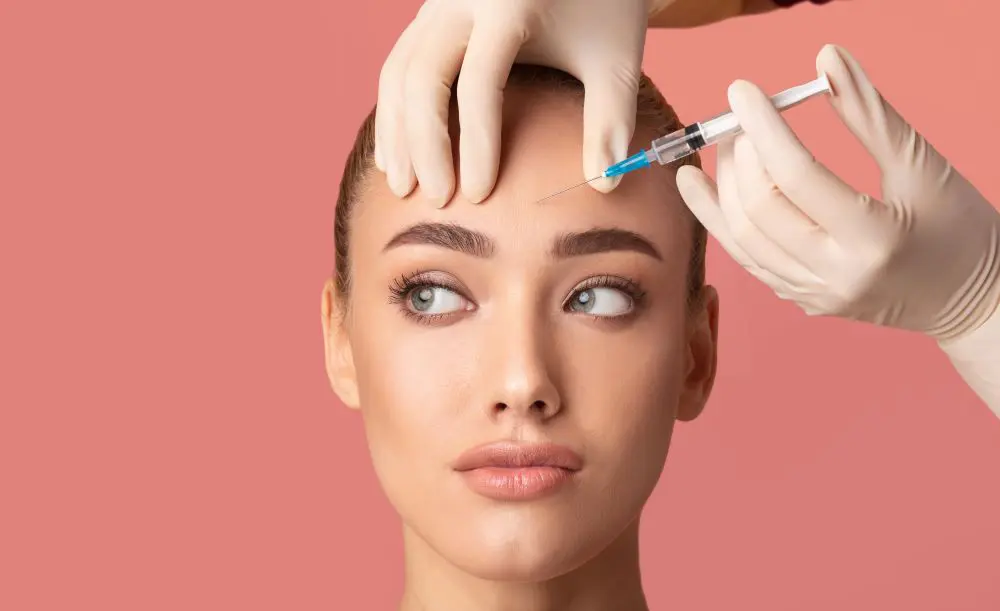
Botox is a prescription injectable made from a purified form of botulinum toxin type A. In controlled doses, it helps relax selected muscles for cosmetic and medical purposes. Botox is commonly applied to areas where repeated facial movement creates visible lines, and it helps reduce the appearance of wrinkles. Here is some information about Botox and its uses:
Minimizes Signs of Aging
Repeated facial movements affect the skin over time. Squinting, frowning, smiling, and raising the eyebrows create folds that may become more visible as collagen levels decline. Botox is often used to treat dynamic wrinkles, which are lines caused by muscle movement rather than skin texture alone. Common treatment areas include:
- Forehead lines
- Frown lines between the brows
- Crow’s feet around the eyes
A trained injector places small amounts of product into specific muscles, reducing movement in that area for a limited period. The goal is usually a smoother look while keeping a normal facial expression. Results vary by person. Muscle strength, skin thickness, dose, and placement all affect the outcome. Some people notice changes within several days, while full settling may take a week or more. The effect is temporary, so repeat visits are often part of a long-term plan.
Balances the Facial Profile
Botox is used in selected areas to support facial balance, but this does not mean changing the entire face. The injector studies how muscles pull on different features and then plans treatment around those movement patterns. Botox may be discussed for a gummy smile, where the upper lip lifts high during smiling. It is sometimes used near the jaw muscles when they appear enlarged from repeated clenching or grinding. Some patients ask about Botox for chin dimpling, neck bands, or a downturned mouth. Each area requires careful dosing because small changes in muscle activity can affect speech or facial symmetry.
Facial profile work depends heavily on anatomy, and two people with the same concern may need different treatment plans. Bone structure, muscle strength, and facial proportions shape the approach. During a practical consultation, photos are taken, and medical history is reviewed.
Enhances Natural Features
Subtle use of Botox may help refine how facial features appear during expression, but it does not eliminate natural movement. Many people want movement softened rather than removed. This distinction matters because the face communicates through small shifts in the brows, eyes, lips, and cheeks.
A conservative plan often starts with a lower dose and a focused area, and it allows for gradual adjustment. After the product settles, the injector may evaluate whether any adjustment is suitable. This staged approach gives more control than treating several areas at once.
Botox does not add volume. It works differently from dermal fillers, which are used to shape or restore fullness. Botox affects muscle movement, while fillers affect contour and volume, and they serve different aesthetic purposes. Understanding this distinction helps guide realistic expectations during consultation.
Learn More About Botox
Botox has several uses in aesthetic care, from softening movement-related lines to adjusting how specific muscles affect facial appearance. The right plan depends on anatomy and goals. Ask questions about placement, dosing, and possible side effects before moving forward. If you want to learn whether Botox fits your goals, schedule a consultation with a qualified provider today.
