

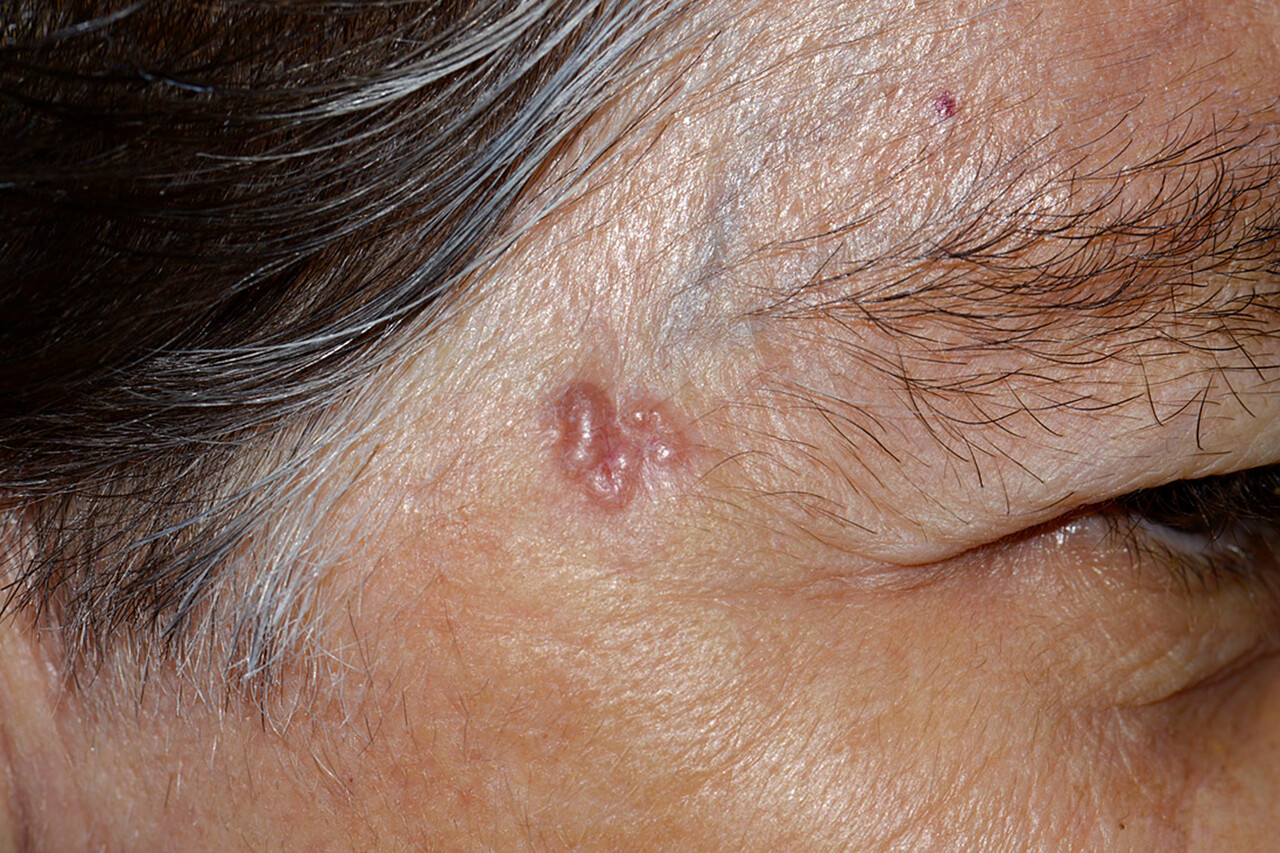
Basal cell carcinoma (BCC) is a major form of skin cancer, and it develops in the basal cells of the outer skin layer. It grows slowly, but it spreads to nearby tissue if left untreated. Doctors diagnose many cases each year, making early detection a top priority for skin health. Here is more information on this type of cancer and its treatment options:
Patches of Red or Pink
Basal cell carcinoma may appear as a pearly or waxy bump, and it sometimes looks like a flat, flesh-colored lesion. Spotting it early makes treatment more straightforward. Some key warning signs include:
- A shiny, translucent bump on the face, ears, or neck
- A pink growth with raised edges and a crusted center
- A flat, scar-like lesion that is white or yellow
These symptoms vary based on BCC subtype, and the nodular type is the most frequently diagnosed. Some lesions bleed easily when scratched or irritated. Anyone who notices a persistent skin change lasting more than a few weeks needs a professional evaluation.
Risk of UV Rays
Prolonged UV exposure is the leading cause of BCC, and it damages DNA in skin cells over time. Sunburns accelerate this damage. People who spend years outdoors without sun protection face a significantly higher risk of developing BCC.
Fair-skinned individuals are more vulnerable to burns and UV damage, but anyone with repeated sun exposure is at risk. Tanning beds emit UV radiation that mirrors the sun’s harmful effects. Those who used tanning beds frequently before age 35 have a notably elevated risk.
A history of radiation therapy also raises BCC risk, and certain medications increase skin sensitivity to UV light. Regular skin checks help catch early signs. People with weakened immune systems need to watch for changes in their skin with extra care.
Skin Biopsy Confirmation
A dermatologist performs a skin biopsy to confirm a BCC diagnosis, and this procedure removes a small tissue sample for lab analysis. Results typically come back within one to two weeks. The biopsy also helps identify the specific subtype of BCC, which guides treatment planning.
There are two common biopsy methods:
- Shave biopsy: The doctor removes a thin layer of the lesion with a scalpel
- Punch biopsy: A circular tool removes a deeper core of tissue
Pathologists examine the sample under a microscope, and they look for abnormal basal cell patterns. A confirmed diagnosis leads directly to a treatment discussion. Understanding the subtype helps both the patient and doctor choose the most appropriate next step.
Mohs Surgery
Mohs surgery is a precise, layer-by-layer removal technique, and surgeons use it for BCC on the face or areas where tissue preservation matters. A surgeon removes one thin layer of tissue at a time. Each layer undergoes immediate microscopic examination during the same appointment.
This process continues until no cancer cells remain in the excised tissue, and it allows for precise margin control. Surgeons aim for a low recurrence rate. Patients typically receive local anesthesia, and the procedure takes place in an outpatient clinic.
Address Basal Cell Carcinoma
A dermatologist will outline the best path based on lesion size, location, and subtype. Ignoring skin changes allows BCC to grow deeper into the surrounding tissue over time. Routine annual skin exams catch lesions at their earliest, most treatable stages. If you notice a persistent bump, lesion, or skin change, schedule an appointment with a board-certified dermatologist today.
