

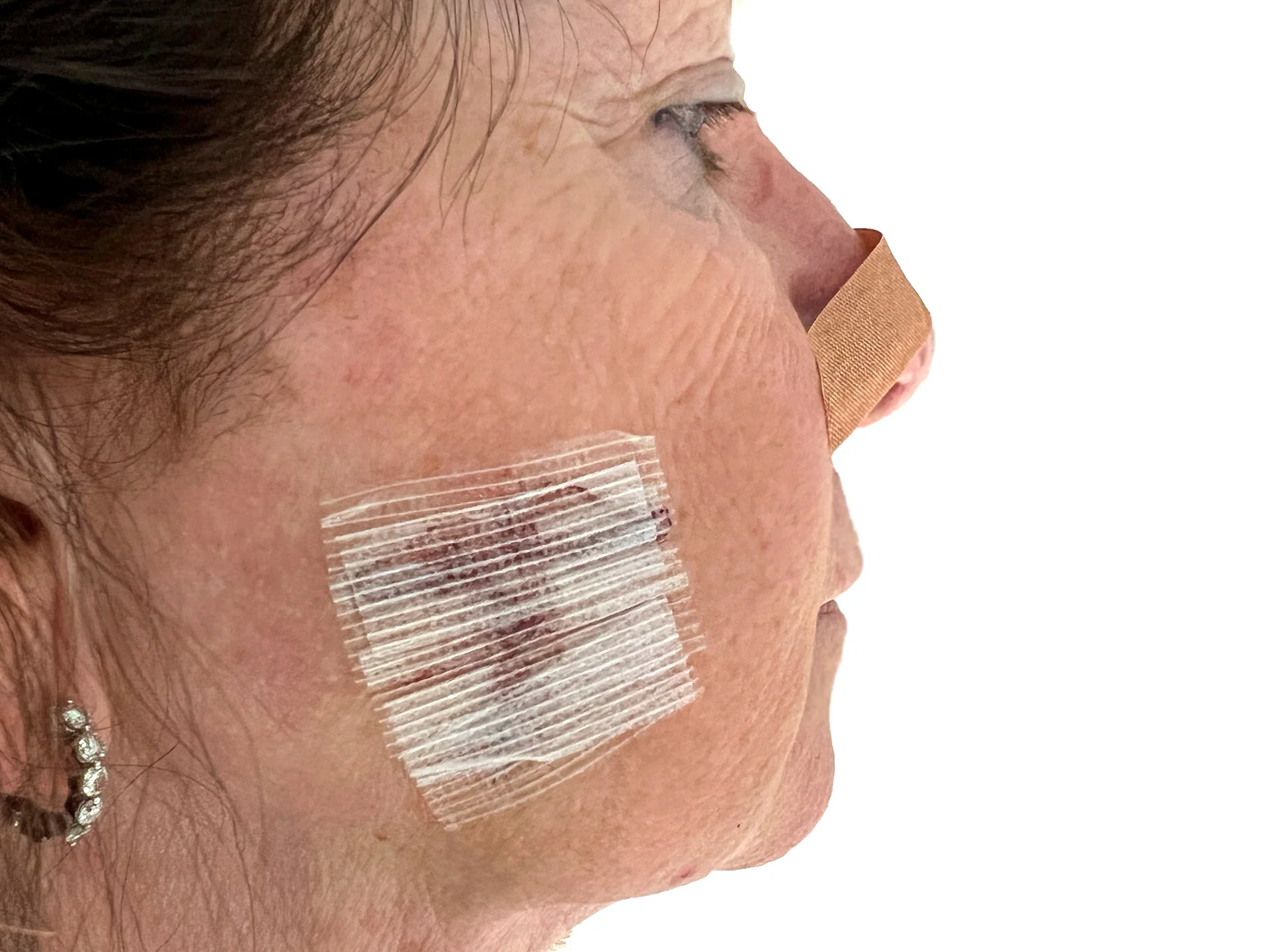
Mohs Surgery is a precise surgical technique used to treat certain types of skin cancer. It focuses on removing thin layers of affected tissue and examining them until only cancer-free tissue remains. Here is an overview of Mohs Surgery techniques:
Layered Tissue Removal
The layer-by-layer technique forms the core of Mohs surgery; the surgeon numbs the treatment area with local anesthesia and removes a very thin layer of tissue. After the tissue is removed from the body, the medical team prepares it for immediate laboratory examination. This process prevents unnecessary skin loss for the patient. The doctor takes only the affected tissue, so the resulting wound remains as small as possible. Patients stay awake during this part of the removal process. They can read a book or use a tablet for entertainment in the clinic. While the lab processes the tissue samples, the patient waits comfortably in the medical office.
Real-Time Tissue Review
Real-time analysis is a fundamental component of this Mohs surgery. The surgeon examines the removed layer under a microscope, and they map the exact location of remaining cancer cells. If cancer remains present in the sample, the surgeon knows exactly where to look next.
The microscopic examination requires specialized training from the provider. The doctor serves as both surgeon and pathologist, eliminating the need for an outside laboratory. When the doctor reads the medical slides, the patient receives instant diagnostic results. This rapid feedback loop improves the overall surgical success rate. The medical team repeats the removal process only in specific areas, sparing the cancer-free areas.
Precise Tissue Preservation
Tissue preservation is key to achieving optimal cosmetic results. Traditional excision removes a large margin of healthy skin, but Mohs surgery targets only the roots of the tumor. Patients can retain more of their natural physical features when they undergo this method.
The face requires precise surgical methods to avoid scarring. A small defect on the nose often creates noticeable changes, so doctors prefer this approach. If the cancer develops near the eyes or lips, conservative tissue removal is also helpful.
Dermatology clinics and Mohs surgeons use this method’s precision to protect the natural appearance of patients. They map the tumor borders accurately, and they trace the roots deep into the skin. After the final tissue layer is free of cancer, the surgical focus shifts to wound reconstruction.
Effective Wound Repair
The wound repair begins immediately after the cancer is gone; the surgeon evaluates the size of the defect and discusses the best closure options with the patient. Depending on the final wound size, the skin may heal naturally. Several surgical wounds require stitches for optimal physical healing. The doctor may use a local skin flap, or they may place a skin graft over the affected area. When the surgeon carefully closes the wound, the resulting scar blends into the surrounding skin lines.
The recovery period involves specific aftercare instructions for the patient. Patients experience some normal swelling, and they must keep the surgical site clean at all times. To make sure the skin heals properly, patients should avoid strenuous exercise as recommended by their doctor.
Schedule Your Mohs Surgery Appointment
Mohs surgery is an effective procedure for treating skin cancer; it offers the benefit of precise cancer removal while preserving as much healthy tissue as possible. It involves meticulous surgical techniques, detailed wound closure, and key aftercare to promote optimal healing and minimize scarring. Contact a qualified dermatologist near you to schedule your Mohs surgery appointment today.
