

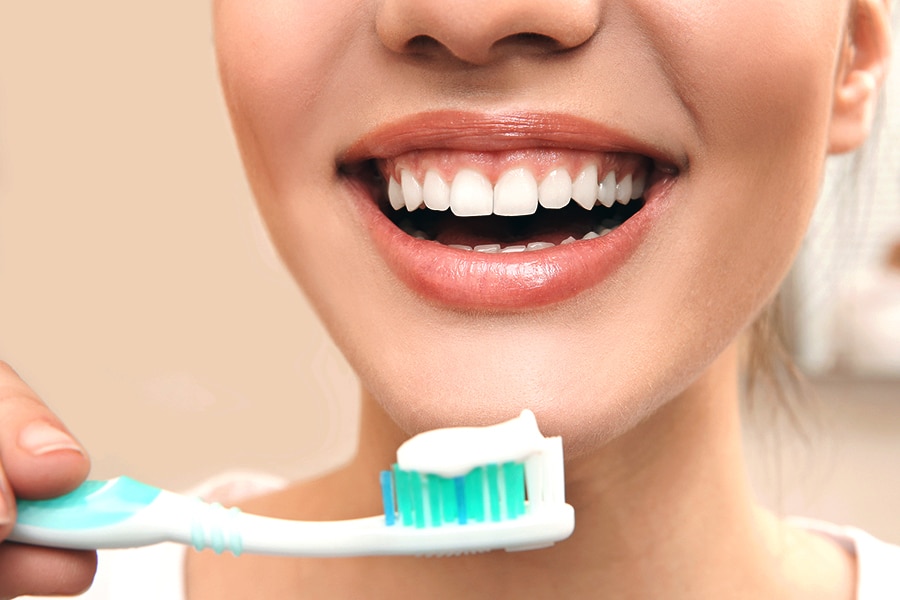
Oral hygiene is a critical part of overall health, yet it is often overlooked. Many people think brushing alone is enough, but maintaining healthy teeth and gums requires a combination of daily habits and regular dental care.
Poor oral hygiene can lead to cavities, gum disease, bad breath, and even more serious health issues. On the other hand, a proper routine can help you maintain strong teeth, healthy gums, and a confident smile for life.
This guide explains everything you need to know about maintaining good oral hygiene.
What Is Oral Hygiene and Why It Matters
Oral hygiene refers to the practice of keeping the mouth clean and free from disease. It involves removing food particles, plaque, and bacteria that can damage teeth and gums.
The mouth naturally contains bacteria. While many are harmless, some produce acids that attack tooth enamel. If not properly managed, this can lead to decay and infection.
Good oral hygiene not only protects your teeth but also contributes to overall health. Research shows a link between oral health and conditions such as heart disease and diabetes.
The Basics of a Strong Oral Hygiene Routine
Brushing Your Teeth Properly
Brushing is the foundation of oral hygiene. Dentists recommend brushing at least twice a day using fluoride toothpaste.
Fluoride helps strengthen enamel and protect against cavities.
To brush effectively:
- Use a soft-bristled toothbrush
- Brush for at least two minutes
- Clean all surfaces of the teeth
- Gently brush along the gum line
Avoid brushing too hard, as it can damage enamel and irritate the gums.
The Importance of Flossing
Flossing removes plaque and food particles from between teeth where a toothbrush cannot reach.
Skipping flossing allows bacteria to build up in these areas, increasing the risk of cavities and gum disease.
Floss at least once a day, preferably before bedtime.
Using Mouthwash
Mouthwash can help reduce bacteria and freshen breath. Some types also contain fluoride, which strengthens teeth.
While mouthwash is helpful, it should not replace brushing or flossing.
Understanding Plaque and Tartar
Plaque is a sticky film of bacteria that forms on teeth throughout the day. If not removed, it can harden into tartar.
Tartar cannot be removed with regular brushing and requires professional cleaning.
Both plaque and tartar can lead to gum disease and tooth decay if left untreated.
Diet and Its Impact on Oral Health
What you eat has a direct effect on your dental health.
Foods That Harm Teeth
Sugary foods and drinks feed harmful bacteria, leading to acid production that damages enamel.
Acidic foods and beverages, such as soda and citrus juices, can also weaken enamel.
Frequent snacking increases the risk of tooth decay because it gives bacteria more opportunities to produce acid.
Foods That Support Healthy Teeth
A balanced diet supports strong teeth and gums.
Beneficial foods include:
- Dairy products for calcium
- Leafy greens for vitamins
- Crunchy fruits and vegetables that help clean teeth
- Nuts and seeds for essential nutrients
Drinking water helps wash away food particles and bacteria.
Common Mistakes in Oral Care
Many people unknowingly harm their teeth through poor habits.
Brushing Too Hard
Brushing aggressively can wear down enamel and damage gums.
Skipping Flossing
Ignoring flossing leaves plaque between teeth, leading to cavities.
Using an Old Toothbrush
Worn-out bristles are less effective at cleaning teeth. Replace your toothbrush every three to four months.
Not Visiting the Dentist Regularly
Even with good home care, professional cleanings are necessary to remove tartar and detect problems early.
The Importance of Regular Dental Visits
Dentists play a crucial role in maintaining oral health.
Routine checkups allow early detection of issues such as cavities, gum disease, and oral infections.
Professional cleanings remove tartar that cannot be eliminated at home.
Most people should visit the dentist every six months, although some may require more frequent visits.
Signs of Poor Oral Health
Recognizing early signs of dental problems can help prevent complications.
Common warning signs include:
- Bleeding gums
- Persistent bad breath
- Tooth sensitivity
- Pain while chewing
- Swollen or red gums
If you notice any of these symptoms, it is important to seek dental care.
Long-Term Benefits of Good Oral Hygiene
Maintaining proper oral hygiene offers many long-term benefits.
- Prevents cavities and gum disease
- Reduces the risk of tooth loss
- Improves overall health
- Enhances confidence and appearance
Healthy teeth and gums contribute to better quality of life.
Conclusion
Good oral hygiene is essential for maintaining healthy teeth and gums. Brushing, flossing, and regular dental visits are the foundation of effective dental care.
By developing consistent habits and making smart dietary choices, you can protect your smile and avoid common dental problems.
Taking care of your oral health today can prevent more serious issues in the future.
FAQ: Oral Hygiene
How often should I brush my teeth?
At least twice a day, ideally in the morning and before bedtime.
Is flossing really necessary?
Yes, it removes plaque from areas a toothbrush cannot reach.
How often should I visit the dentist?
Every six months for routine checkups and cleanings.
Can diet affect oral health?
Yes, sugary and acidic foods increase the risk of cavities.
