

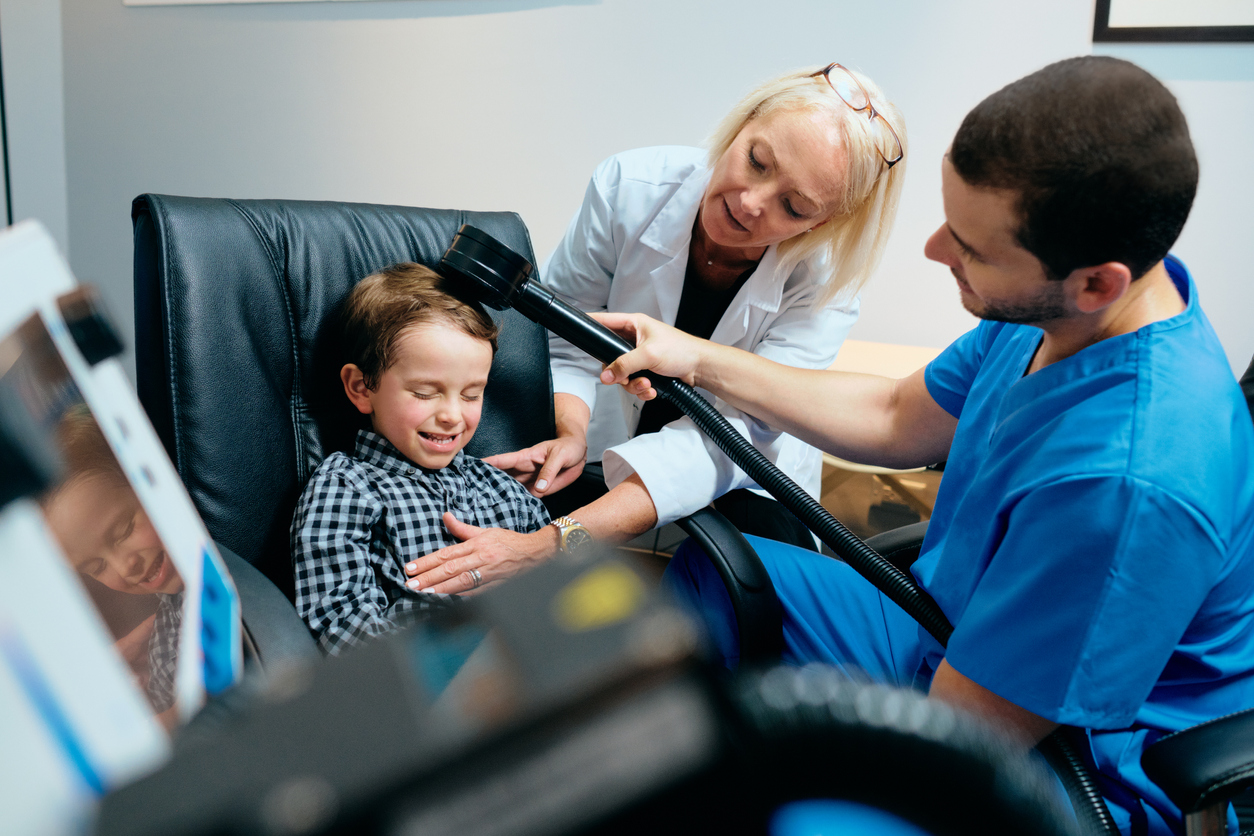
Pediatric neurology focuses on treating conditions affecting the brain, spinal cord, and nerves in children. When caregivers notice unusual physical or cognitive symptoms in their children, a neurologist can perform detailed medical evaluations, and they create customized treatment plans. Here is more information about how pediatric neurologists help children with neurological issues and disorders:
Understanding Pediatric Neurology
Doctors who specialize in pediatric neurology understand the unique medical needs of infants, children, and teenagers. A pediatric neurologist evaluates the brain and spinal cord, and they look for abnormalities in the central nervous system. Neurologists have access to an array of specialized diagnostic and treatment tools.
Because they treat a wide variety of serious neurological conditions, neurologists first diagnose the condition. Some common issues include the following:
- Seizure disorders
- Chronic muscle weakness
- Cerebral Palsy
- Epilepsy
- Concussion
- Tourette Sydrome
- Traumatic brain injury
These doctors work closely with caregivers to formulate long-term care plans, and they may monitor the child over an extended period.
Treating Developmental Delays
Developmental delay occurs when a child does not reach expected physical or mental milestones at the usual times. A doctor will evaluate the patient for underlying neurological issues, and they may order blood tests or brain imaging studies to determine the cause. Specific problems with motor skills can be improved with occupational therapy or physical therapy.
Occupational and physical therapies can improve motor skills by strengthening fine and gross motor abilities, which allows children to perform day-to-day activities more effectively. These therapies also enhance independence by teaching skills such as feeding, dressing, and mobility. Physical therapy helps improve posture, coordination, and balance, reducing the risk of injury. Some children have sensory processing issues, and occupational therapy supports sensory integration, helping them process and respond to sensory input in a more regulated way.
Managing Head Injuries
Traumatic brain injuries and concussions happen when a sudden physical force strikes a child’s head. Young patients can get these serious injuries during physical sports, or they sometimes experience a fall in other contexts. After sustaining a head injury, the patient undergoes a comprehensive neurological exam and tests to check cognitive and motor function.
Concussions can present a wide range of symptoms, which vary in severity depending on the extent of the injury. Common symptoms include:
- Physical: Headaches, dizziness, nausea, vomiting, and sensitivity to light or noise.
- Cognitive: Confusion, difficulty concentrating, memory problems, or slowed thinking.
- Emotional: Irritability, anxiety, or sudden mood swings.
- Sleep-related: Trouble falling asleep or sleeping more or less than usual.
Caregivers should monitor these symptoms closely, as early recognition and treatment play a role in recovery and preventing long-term complications.
Addressing Sleep Disorders
Sleep disorders disrupt a child’s normal rest patterns and cause extreme exhaustion. These disruptive conditions include sleep apnea and restless legs syndrome, and they may create severe daytime fatigue that affects school performance. Getting help for a child’s sleep problems primarily involves understanding and diagnosing the cause of the sleep disturbances; once diagnosed, a child can receive appropriate therapies, such as changes to their sleep routine or medication.
Find a Pediatric Neurologist Today
Pediatric neurologists diagnose and treat complex medical conditions that affect the brain, spinal cord, and nerves in young patients. They manage developmental delays and traumatic brain injuries, and they also resolve severe sleep issues to improve daily life. To learn more about neurology and children’s health, consult a pediatric neurologist near you.
