

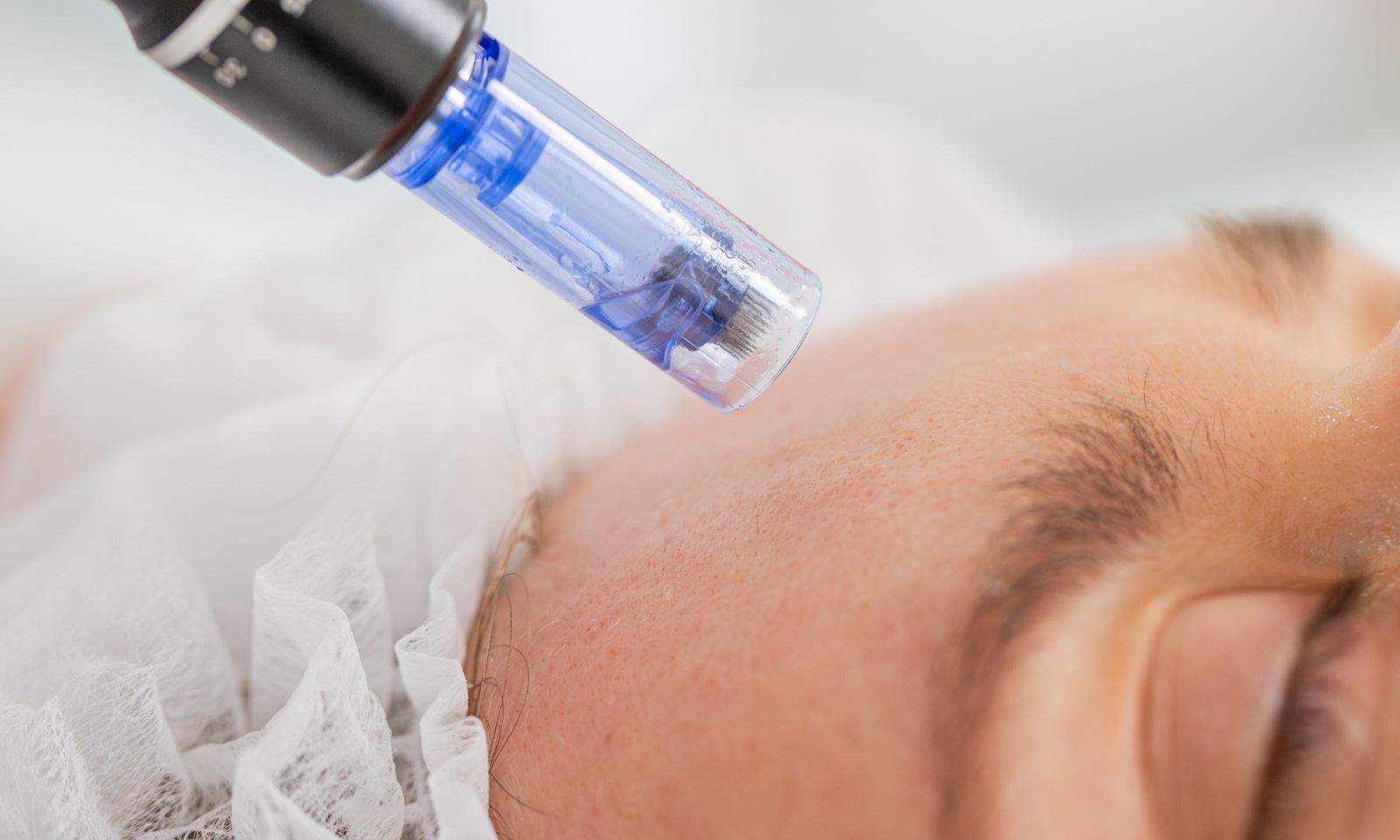
Microneedling is a minimally invasive procedure where a professional uses fine needles to create controlled micro-injuries in the skin. These tiny punctures stimulate the body’s natural healing response; this encourages the production of collagen and other structural components that support skin repair. The result is a gradual improvement in skin texture, tone, and overall appearance. Here is more information about the procedure and its role in skin rejuvenation:
Understanding the Core Mechanics
Microneedling relies on your body’s built-in repair systems. A specialist guides a specialized device across the skin, creating precise, shallow punctures in the outer tissue layer. Your body responds by producing key structural proteins, collagen and elastin; these form the fundamental framework that supports skin structure. This localized repair activity drives the physical changes that make microneedling a rejuvenation option for many individuals, including those with darker skin tones.
Refining Skin Texture and Tone
Sun exposure, natural aging, and past physical skin disruptions all alter the surface of the skin over time. Microneedling targets these textural irregularities by stimulating protein production in the affected areas. As new collagen forms beneath the surface, it works to fill minor depressions and smooth uneven areas. The result is a more uniform physical surface, and it often requires a structured series of sessions.
Microneedling also addresses localized pigmentation changes. Environmental exposure and previous skin disruptions can contribute to uneven pigment distribution across the skin’s surface. The mechanical action of the device encourages cellular turnover; it prompts your body to replace older surface cells with new ones. This process helps blend pigmented areas with surrounding tissue, supporting the appearance of a more consistent overall tone.
Combining Microneedling With PRP
Some providers discuss platelet-rich plasma (PRP) therapy as a complement to microneedling. PRP requires drawing a small blood sample, then spinning it in a centrifuge to isolate the platelets, which contain specific growth factors. During a combined session, the provider applies the isolated PRP directly to the skin while the micro-punctures are still open. These channels allow the PRP to reach deeper tissue layers. Providers use this approach to supply the treated area with additional biological materials; this aims to support the physical repair process that the needles initiated.
Preparing for a Session
Preparation plays a helpful role in how your skin responds to microneedling, and it helps minimize unnecessary irritation. Before your appointment, providers may instruct you to:
- Pause the use of active topical ingredients, such as retinoids or strong exfoliants, for several days beforehand.
- Stay well hydrated in the days leading up to the session.
- Avoid direct, unprotected sun exposure to keep the skin in stable physical condition.
- Disclose all current medications and topical products during your consultation.
Setting Realistic Expectations
Microneedling does not halt the natural aging process, nor does it produce identical results in every person. Individual biological factors dictate how your body responds. Professionals may recommend spacing multiple sessions several weeks apart to build upon cumulative physical changes. After each session, temporary redness at the treatment site is a standard physical response. Apply gentle moisturizers during recovery, and avoid direct sunlight to protect the newly forming tissue.
Find a Qualified Microneedling Provider
By activating the body’s repair mechanisms, microneedling helps refine skin texture and tone. When combined with PRP, this procedure also delivers targeted biological support to the treated tissues; this may make the overall treatment more effective. Consult a qualified professional to review your specific goals and receive personalized guidance tailored to your skin.
