

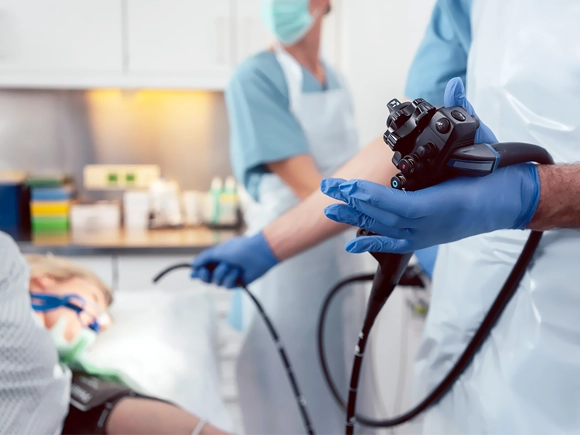
An endoscopy lets a doctor see inside the body without large incisions. New tools have improved how doctors view, reach, and treat problem areas. Since some need an endoscopy, it helps to know what has changed and why it matters. Discuss options with your provider today.
Improve Internal Imaging
Modern imaging systems give doctors sharper views of internal tissue. Clear images help identify irritation, bleeding, narrowing, and growths, and support careful treatment decisions. Some scopes now use high-definition cameras, and others enhance color and surface detail. When small changes are easier to see, doctors can examine areas with more accuracy. Some systems provide wider views, allowing doctors to inspect more tissue in one pass. This reduces missed areas, and it supports a complete exam. Other platforms improve contrast between normal and abnormal tissue, helping doctors study surface patterns more closely. If your doctor needs a detailed view, these features support more targeted sampling and planning. Some systems use magnification and special filters. These features help doctors inspect the digestive tract lining more closely, and they highlight small surface changes.
Expand Treatment Options
The approach allows direct care at the source of the problem, and it can reduce the need for separate procedures. Endoscopy can include more treatment options during the same visit. Small tools pass through the scope, so doctors can work inside narrow spaces. Your doctor selects each tool based on the location, while discussing the tissue involved. An endoscopy may:
- Seal wounds and stop internal bleeding.
- Inject medicine into a targeted area.
- Drain fluid from blocked or infected spaces.
- Remove damaged tissue or tumors.
- Fix blockages or widen organs that are too narrow.
- Place stents to help keep a passage open
These treatments may be performed during the same procedure. The tools are chosen based on the area being treated, the tissue condition, and care goals. This approach may make the procedure more efficient, and it reduces the need for another visit. Since your doctor will explain what may be done, you will make informed decisions.
Advance Surgical Methods
Advances in surgical methods have expanded what endoscopy can do. Some procedures now treat problems that once required larger operations, but the right method depends on location and goal. Flexible scopes reach many internal areas, while improved control helps doctors work with more precision. This makes endoscopy useful for both diagnosis and treatment. Improved visibility and control let doctors remove tissue or tumors with a more targeted technique. Advanced cutting and sealing tools support more controlled work, and they can help manage bleeding.
In select cases, endoscopic surgery may widen narrowed areas, place stents, or treat blockages without another operation. Your doctor will match the method to the problem, and that plan will guide each step. Sometimes doctors perform surgeries through an endoscope using specialized instruments. These methods may remove tissue or tumors, manage bleeding, widen narrowed areas, or treat blocked passages. Because the scope provides a live view, doctors can guide each step carefully. They can adjust technique as needed.
Discuss Endoscopy Today
If your doctor recommends an endoscopy, ask what type you need and what it is meant to evaluate. You should also ask if treatment may happen during the procedure, as that affects preparation and recovery. Knowing the possible tools and services can help you understand the plan. Use your appointment to review the purpose, so you can have clear communication and expectations.
