

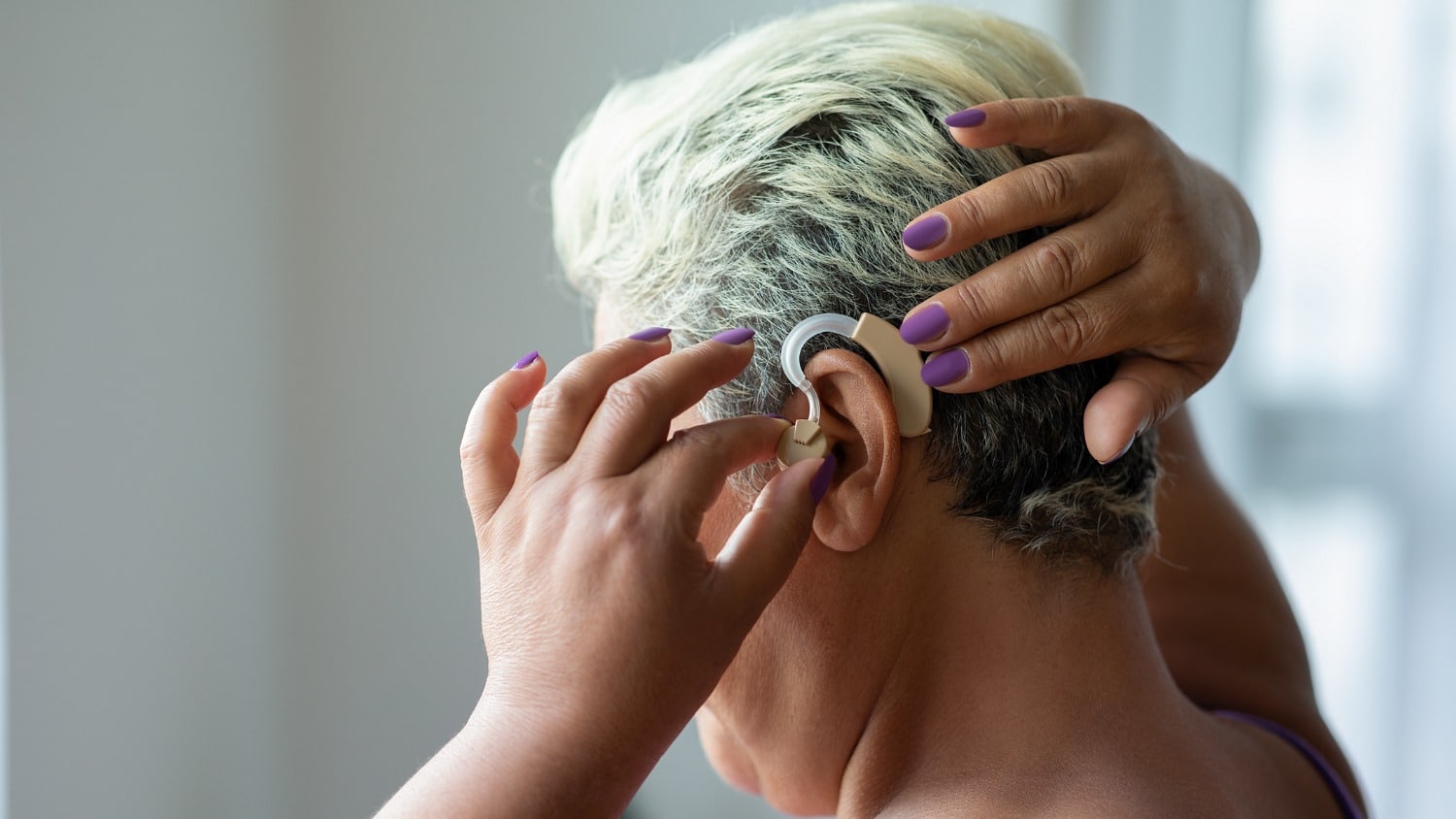
Hearing loss affects many people, disrupting communication, work, and social life. Effective coping strategies include hearing aids, cochlear implants, and communication techniques; these can reduce daily challenges and support a higher quality of life. Understanding what this condition is, what causes it, and how to manage it are the first steps toward easier living.
What Is Hearing Loss?
Hearing loss occurs when the auditory system is no longer able to process sound at normal levels. It ranges from mild, where soft speech becomes difficult to follow, to profound, where even amplified sound may not be detected. The condition either affects one ear or both, and it may develop gradually or appear suddenly.
Clinicians classify this condition into three main types: conductive, sensorineural, and mixed. Conductive loss involves a disruption in the outer or middle ear, while sensorineural loss stems from damage to the inner ear or auditory nerve. Mixed cases combine both types, complicating diagnosis and treatment.
What Causes It?
Hearing loss has many causes, and identifying the underlying reason is a key part of diagnosis. Age-related decline is the most prevalent cause among older adults. The hair cells in the inner ear deteriorate over time. Noise-induced cases are another cause, resulting from prolonged exposure to loud environments such as construction sites or concerts.
Other contributors include genetic factors, ear infections, ototoxicity, and physical trauma to the head or ear. In some cases, conditions like Meniere’s disease or acoustic neuroma are responsible, necessitating specialized intervention. A thorough clinical evaluation can pinpoint the cause, and a hearing loss specialist will determine the most appropriate treatment plan.
How Is Daily Life Affected?
The effects of this condition extend to many aspects of daily functioning; conversations can become harder to follow, especially in noisy environments such as restaurants or open-plan offices. Phone calls, television, and public announcements present ongoing challenges, contributing to fatigue. People with untreated hearing loss may avoid group settings or social events where communication is difficult. At work, difficulties in meetings or with verbal instructions have the potential to affect performance and professional relationships.
What Are Effective Coping Strategies?
Several strategies can reduce the daily burden of this condition. The right approach depends on the type and degree of the condition, as well as individual lifestyle needs. Effective coping strategies include:
- Hearing aids: These devices amplify sound and are effective for mild to moderate cases.
- Cochlear implants: For people with severe-to-profound sensorineural hearing loss, cochlear implants bypass damaged hair cells and stimulate the auditory nerve.
- Communication techniques: Facing the speaker, reducing background noise, and using written notes or text apps can all improve comprehension in everyday interactions.
Raising awareness among family members and colleagues about how to communicate effectively can make a difference.
Visit an Ear Clinic Today
Living with this condition presents real challenges, but with the right support, those challenges can become manageable. Professional care helps patients identify the cause and select the most suitable hearing devices. If you or someone close to you is experiencing changes in hearing, schedule an appointment with an ear clinic.
