

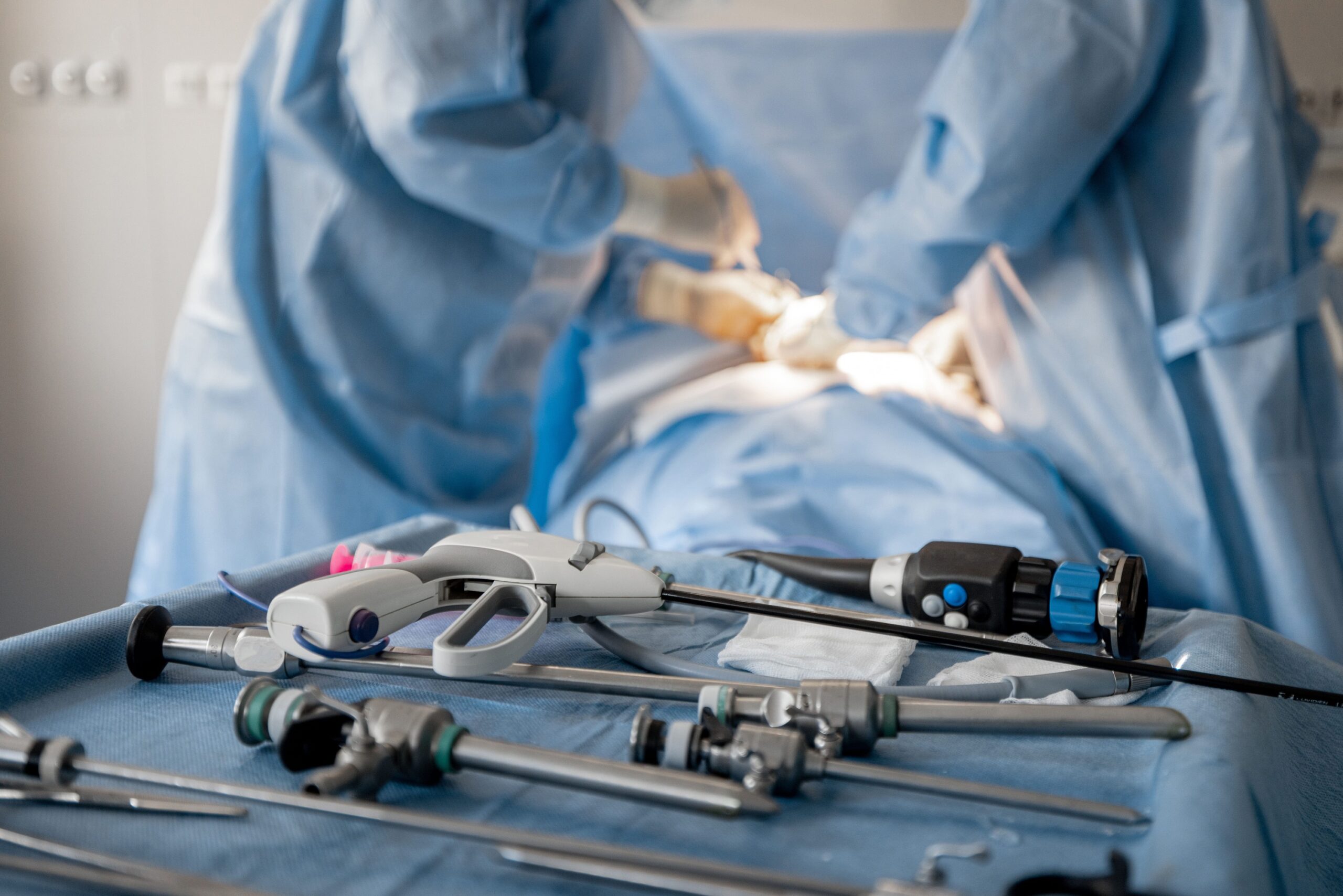
Hip issues cause physical discomfort, and they limit a patient’s range of motion during daily activities. Medical professionals may recommend hip arthroscopy as an effective treatment method for various joint conditions. This minimally invasive technique relies on specialized equipment, providing clear visualization of the hip’s internal structures. Here is more information on this procedure and what it involves:
What Is Hip Arthroscopy?
Orthopedic surgeons perform hip arthroscopy to view the hip joint without making large incisions through the skin. A small camera, called an arthroscope, displays pictures of the joint on a video monitor, and the surgeon uses these detailed images to guide miniature surgical instruments. Since the incisions are small, this approach reduces tissue damage. Patients may experience a relatively rapid rehabilitation phase following the operation.
How Does It Work?
The surgical team places the patient on a specialized operating table, and they may apply traction to the leg. This traction pulls the femur away from the pelvis. Because this action creates a wider joint space, the surgeon safely inserts the necessary medical instruments. Fluid flows through the arthroscope to keep the view clear and control bleeding.
Once the surgeon identifies the problem area, they make additional small incisions to introduce other surgical tools. These specialized instruments cut, shave, grasp, or suture the damaged tissues inside the joint. The medical team closes the incisions with stitches, and they apply a sterile dressing to the area. Patients may return home on the same day as the surgery.
What Does It Treat?
Orthopedic specialists use this procedure to treat a variety of painful hip conditions. One indication is femoroacetabular impingement, in which extra bone grows along the bones that form the hip joint. The surgeon removes the excess bone, and this action alleviates the patient’s symptoms. Other treatable conditions include labral tears, hip dysplasia, and snapping hip syndrome.
Surgeons also extract loose bone fragments and torn cartilage fragments. These loose bodies float within the joint space, and they cause irritation. When patients present with unexplained hip pain, this tool allows for a direct diagnostic evaluation of the internal structures. Addressing these internal problems early helps prevent progressive joint deterioration.
What Are the Expected Outcomes?
Patients may experience a significant reduction in hip pain following a successful arthroscopic procedure. The recovery timeline varies based on the specific repairs performed, but physical therapy plays a significant role in regaining strength. Although minor discomfort occurs initially, individuals may resume their normal daily activities within a few weeks. Competitive athletes often require targeted rehabilitation before returning to high-impact sports.
How Is Professional Guidance Beneficial?
A qualified orthopedic specialist evaluates a patient’s medical history to select the most appropriate surgical option. They conduct physical examinations, and they review imaging studies to pinpoint the exact source of the joint pain. Professional oversight dictates the preoperative preparation, enabling patients to clearly understand postoperative recovery phases. Following the surgeon’s specific rehabilitation protocols maximizes the chances of a favorable surgical outcome.
Consult a Specialist Today
Hip arthroscopy offers a minimally invasive solution for individuals suffering from specific joint disorders. The procedure uses small incisions and specialized cameras, allowing surgeons to safely address painful conditions. Professional medical evaluations determine the most effective treatment plan, and they address each patient’s unique anatomical needs. Contact an orthopedic specialist to schedule an assessment and discuss available surgical options.
