

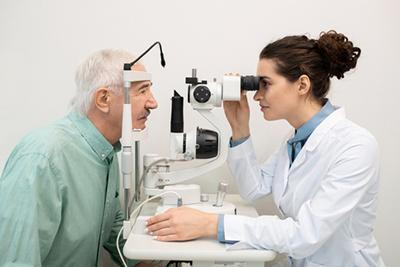
Ophthalmologists diagnose and treat eye conditions, perform vision assessments, and provide care for routine and complex eye health concerns. During a visit, they review your medical history, examine your eyes, and recommend treatment or follow-up care when needed. Here is more information on what to expect when you visit ophthalmologists:
Reviewing Medical History
The visit begins with a thorough medical history review. Ophthalmologists ask about your current symptoms, and they document any past eye conditions. Before they examine your eyes, you must provide a detailed list of current medications.
While some systemic diseases seem unrelated to vision, conditions like diabetes strongly affect eye health. You need to share your family medical history, and the clinical staff records this data in your patient chart. Patients should also mention lifestyle habits during this clinical review. The doctor uses this background data to identify potential environmental risk factors. When the medical history is complete, the team proceeds to the physical examination.
Testing Vision and Eyes
Ophthalmologists conduct several tests to evaluate your sight. These diagnostics measure your visual acuity, and they check the physical structures of your eyes. Here are some of them:
- Visual Acuity Test: The ophthalmologist uses a standard eye chart to measure how well you see at various distances.
- Refraction Assessment: The doctor flips through different lenses to determine your exact prescription for glasses or contacts.
- Slit-Lamp Examination: A specialized clinical microscope shines a bright light into your eye to inspect the cornea, iris, and lens.
- Tonometry: This diagnostic tool measures the physical pressure inside your eye to check for early signs of glaucoma.
While some tests require eye drops to dilate your pupils, the physical discomfort is very brief. The doctor gathers all the diagnostic data, and they use this information to develop a clinical opinion.
Planning Diagnosis and Care
Ophthalmologists review the test results to formulate a clinical diagnosis; they explain the conditions they discover and discuss how these issues affect your vision. If the doctor detects conditions such as cataracts or glaucoma, they will explain the pathology in clear terms. After ophthalmologists establish a diagnosis, they create a personalized care plan. This strategy addresses your specific needs, and it outlines the recommended medical treatments.
You should contemplate all available therapeutic options before making a final decision. The care plan may include non-surgical treatments or surgical interventions. The physician provides helpful instructions, and they answer any questions you have about the proposed therapies.
Ongoing Eye Care
Ongoing medical care is a fundamental component of maintaining healthy eyes. Ophthalmologists establish a schedule for future visits, and they provide specific prevention strategies. Here’s how they provide ongoing and preventive care:
- Routine Exams: The physician schedules regular check-ups to monitor chronic optical conditions over time.
- Protective Eyewear: The team advises patients to wear sunglasses to block harmful ultraviolet rays.
- Nutritional Supplements: The doctor may recommend specific vitamins to support macular tissue and promote overall retina health.
- Screen Time Management: The staff suggests taking frequent breaks from digital devices to reduce ocular strain.
Preventive medical care reduces the risk of severe vision loss; regular clinical monitoring detects subtle anatomical changes early.
Visit Ophthalmologists for Expert Care
During a routine eye appointment, the medical staff reviews your history, and ophthalmologists perform comprehensive tests to evaluate your eye health. Once the diagnostics are complete, they develop a care plan to treat identified conditions. As individuals age, these structured visits become a fundamental part of healthcare. Ophthalmologists provide clear guidance, and the medical team supports patients through every step. Contact a reputable eye center near you to schedule your appointment with ophthalmologists for expert eye care today.
