

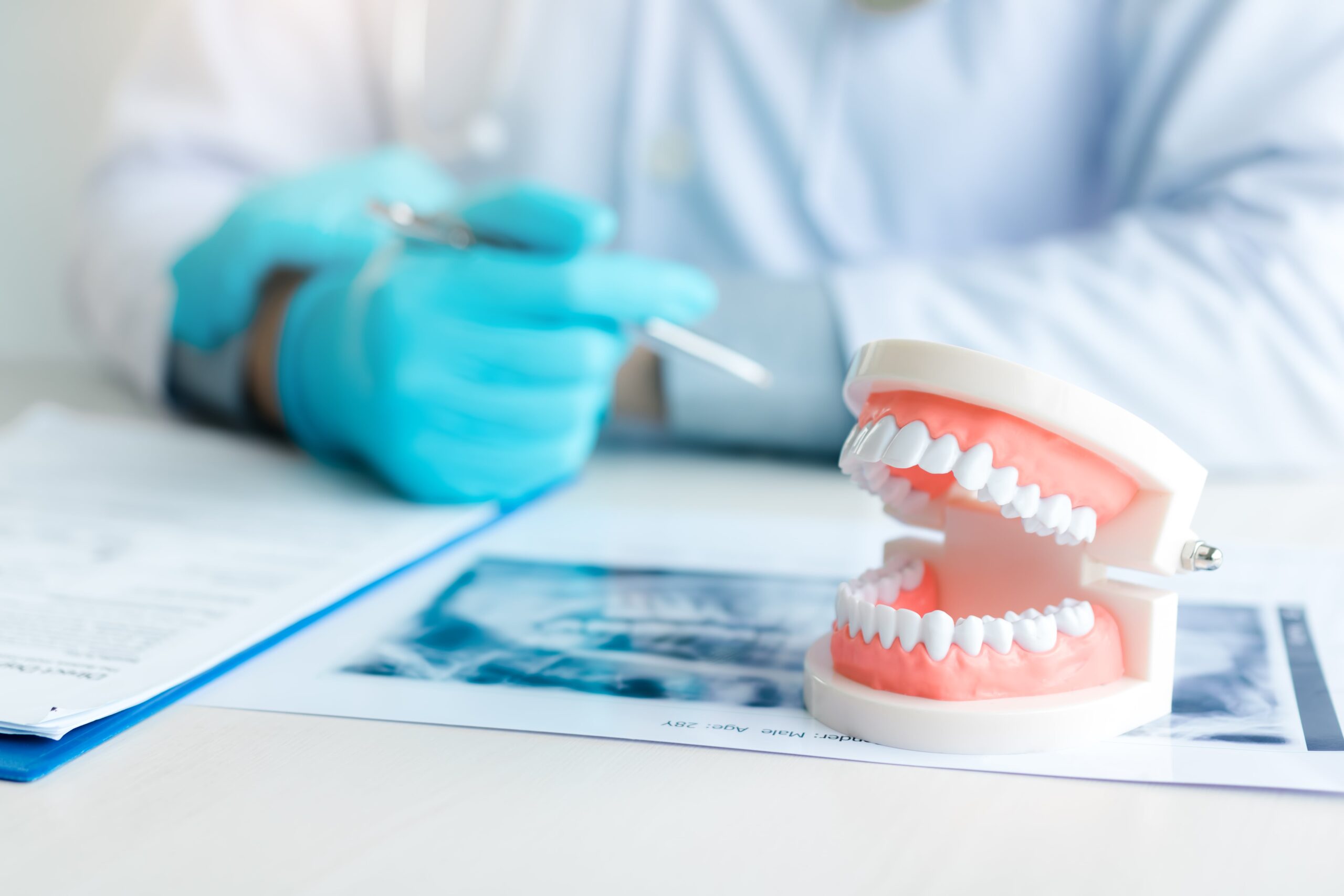
Dentures are removable appliances designed to replace missing teeth and surrounding tissue. They are used when a person has lost some or all of their teeth in either the upper or lower arch, and they help restore oral function. Modern dentures are designed to fit the mouth precisely, helping improve comfort and making chewing and speaking easier. Here are some benefits of choosing dentures for improved oral function:
Restores Chewing
Eating with missing teeth becomes less efficient, and biting into firm foods or breaking food into smaller pieces takes more effort. Dentures help restore contact between the upper and lower arches, which improves the ability to chew a wider range of foods. This change helps make meals easier to manage and reduces strain during eating.
Full dentures replace all teeth in an arch, while partial dentures fill spaces between natural teeth. Each type supports chewing differently, depending on the number and location of missing teeth. When the denture fits well, it distributes pressure more evenly across the mouth. Balanced function often makes eating more comfortable.
Clarifies Speech
Speech relies on the lips, tongue, teeth, and airflow working together. When teeth are missing, some sounds become less distinct. Words with “f,” “v,” “s,” and “th” sounds are often affected because the tongue and lips no longer meet the teeth in the usual way. Dentures help restore the surfaces that guide those sounds. As a result, pronunciation usually becomes clearer. Fit also impacts speech. A loose denture may shift during speaking, and this can affect clarity. Routine dental visits help identify areas that need refinement.
Supports Facial Structure
Missing teeth impacts more than the smile. They also change how the face is supported because bone structure can shift over time. Teeth help maintain height between the upper and lower jaws, and when support is lost, the cheeks and lips may appear less full.
Dentures restore some of the lost support. By filling out the mouth, they help the soft tissues rest in a more natural position. This does not stop all age-related changes, and it does not replace bone in the jaw. But they often improve the overall shape of the lower face after tooth loss.
The effect varies from person to person, and it depends on several factors. These include the number of missing teeth, the condition of the gums, and the way the denture is made. A properly fitted denture is shaped to match the mouth and align with the bite, which helps create a more balanced appearance and function.
Prevents Tooth Shifting
When some natural teeth remain, empty spaces may lead to movement over time. Nearby teeth typically drift into the gap, tilt, or change position. That movement impacts bite alignment and makes cleaning more difficult. If the bite becomes uneven, chewing and speaking usually feel less natural. Replacing missing teeth with a partial denture helps preserve a more stable oral pattern.
A partial denture occupies the space left by missing teeth, helping maintain the arrangement of the remaining teeth. This does not replace orthodontic treatment, and it does not guarantee that no movement will occur. Even so, it serves a practical role in managing spacing after tooth loss.
Get Dentures Today
Dentures serve several functional purposes, from improving chewing to supporting clearer speech and maintaining facial form. They also help manage spacing when natural teeth remain. The right option depends on your oral health, the number of missing teeth, and the condition of your gums and jaw. If you are missing teeth, schedule a dental visit to discuss whether full or partial dentures are right for you.
