

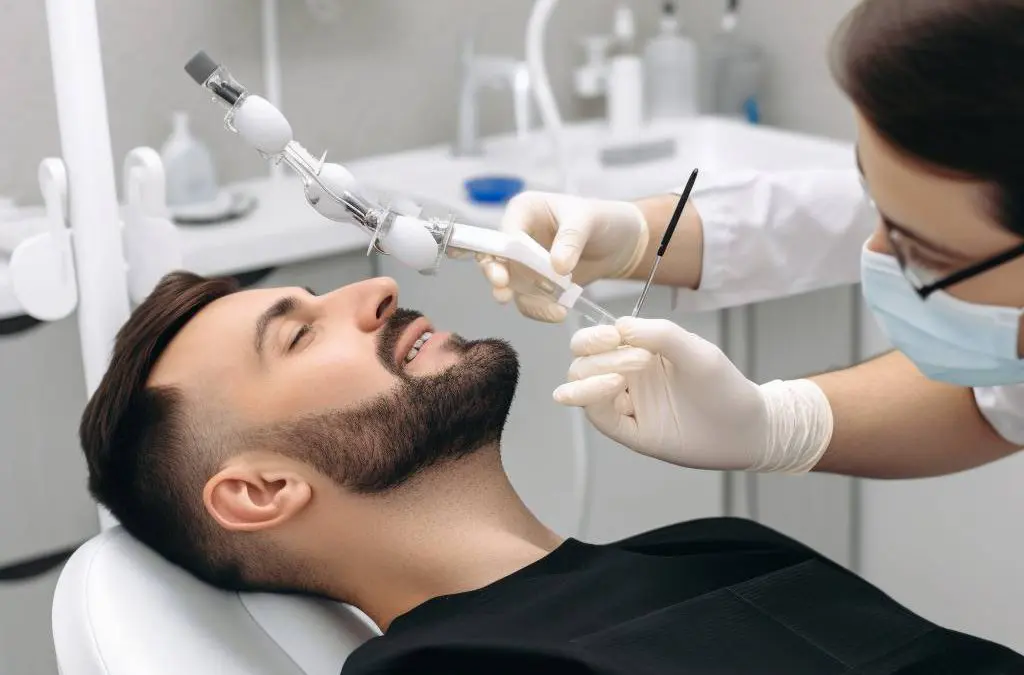
Emergency dentists provide urgent care for conditions that require immediate attention rather than a scheduled appointment. They focus on diagnosing and treating issues that involve severe pain, injury, or risk of further complications. Knowing when to call these professionals helps protect your oral health, especially in situations like a sudden broken tooth or persistent gum pain. Here are several reasons to see an emergency dentist:
Broken or Cracked Tooth
Teeth possess a strong outer layer, but accidents and biting into hard objects can still cause fractures. A broken, chipped, or cracked tooth requires prompt evaluation. Even if you do not notice immediate physical discomfort, the break compromises the enamel and exposes the vulnerable inner layers of the tooth to bacteria.
An emergency dentist assesses the extent of the damage using diagnostic tools. They determine if the tooth needs a filling, a protective crown, or a more involved procedure to restore its structural integrity. If you break a tooth, collect any broken pieces and bring them with you. While waiting to arrive at the clinic, rinse your mouth with salt water to clean the area. Avoid chewing on the affected side of your mouth, and apply a cold compress to the outside of your cheek to minimize swelling. The dentist may also fix the broken piece using dental bonding.
Knocked-Out Tooth
A knocked-out tooth is a time-sensitive scenario. These often occur during traumatic events, such as falls or sports accidents. When a permanent tooth leaves its socket completely, taking quick, calculated action can increase the chances of saving the natural tooth structure.
Handle the tooth by the crown, which is the top chewing surface, and avoid touching the root. Touching the root can damage the delicate cells needed for successful reattachment. If the tooth is dirty, carefully rinse it with plain water, but avoid scrubbing it or drying it. Gently place it back into its socket if possible, and bite down on a piece of clean gauze to hold it steady.
If you cannot reinsert the tooth, store it in a small container of milk. Contact an emergency dentist immediately. Receiving professional care within 30 to 60 minutes increases the probability of successful reattachment.
Severe Tooth Pain
A minor, dull toothache may wait a few days, but severe, unrelenting tooth pain requires an urgent professional evaluation. Intense throbbing, sharp pain when biting down, or extreme sensitivity to hot and cold temperatures often point to an underlying issue deep within the tooth. This typically indicates deep decay or nerve exposure. Over-the-counter pain relievers may offer temporary relief, but they do not resolve the mechanical or bacterial root cause. An emergency dentist takes precise X-rays and performs a thorough examination to locate the exact source of the problem. They provide targeted, practical treatment to correct the structural issue causing the physical symptoms.
Gum or Tooth Infection
Oral infections require immediate attention because they spread quickly to surrounding physical tissues. Clear signs of a dental abscess or severe gum infection include:
- Localized swelling
- A pimple-like bump on the gums
- A foul taste in your mouth
- Noticeable facial swelling
This swelling sometimes makes it difficult to open your mouth fully or swallow normally. These indicators may suggest that a pocket of pus has formed at the root of the tooth or in the spaces between the teeth and gums. An emergency dentist is able to drain the localized infection, and they prescribe appropriate antibiotics to eliminate the bacterial growth.
Find an Experienced Emergency Dentist
Quick action during a dental emergency helps prevent further complications. Knowing when to respond, whether for a knocked-out tooth or signs of infection, enables you to address problems efficiently and protect your oral health. Find an experienced emergency dentist today to be prepared for these scenarios.
