

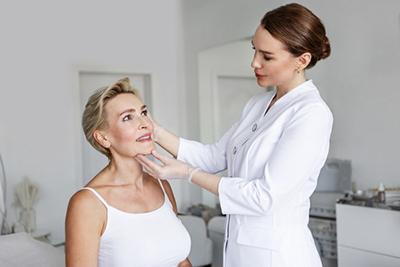
Changes in the skin are a natural part of aging, but concerns such as fine lines, uneven texture, dryness, and loss of firmness can still affect comfort. Dermatology plays a significant role in identifying these changes and offering care options that support healthier-looking skin over time. Here is a closer look at how dermatologists can help with aging skin:
Common Age-Related Changes
Identifying the signs of aging is a key step in any treatment plan. Your body reduces collagen production, and the dermis thins. When this natural decline happens, various visible marks appear on the skin’s surface. Here are some age-related changes individuals may experience:
- Fine lines and wrinkles: Creases form around the eyes and mouth.
- Age spots: Dark patches develop on sun-exposed areas.
- Dryness: The tissue loses moisture more quickly.
- Sagging: A loss of fat and elasticity causes the face to droop.
These changes happen gradually over the years. Although patients cannot stop the clock completely, dermatology specialists can target these specific issues.
Thorough Skin Evaluation
Dermatology specialists conduct thorough examinations to understand your specific condition. They examine your medical history, and they check for signs of sun damage. When you visit a clinic, the staff evaluates the texture and tone of your face. While visual inspections guide the initial diagnosis, specialized tools can reveal deeper damage, allowing the doctor to build an accurate profile.
The specialist identifies areas of concern, and they discuss your personal goals. If the provider finds precancers or unusual moles, they will address those medical issues first. After the team secures your basic health, they can focus on cosmetic improvements and recommend interventions that suit your profile.
Record-keeping monitors your progress across multiple visits. The clinic takes baseline photographs, and the staff records your current skin care regimen. As your treatments progress, the doctor compares your new appearance against these initial records. When adjustments are necessary, the team relies on this documented history and modifies the approach to maximize your clinical results.
Effective Aging Skin Treatments
Dermatology clinics use various methods to restore a youthful appearance. Here are some of them:
- Prescription retinoids: Strong creams promote cellular turnover.
- Chemical peels: Acid solutions remove the damaged outer layers.
- Laser therapy: Concentrated light targets dark spots and stimulates collagen production.
- Dermal fillers: Injections restore lost volume in hollow areas.
These interventions require professional administration and oversight. The dermatology setting helps prevent complications, and the staff provides clear aftercare instructions. If you experience side effects, the clinic can manage them immediately.
Long-Term Maintenance Habits
Daily maintenance preserves the effects of clinical treatments; you must apply sunscreen regularly and wear protective clothing outdoors. Drinking enough water supports internal hydration, and eating a balanced diet provides the nutrients your body needs to heal. Quality skin care products make a massive difference. Before you add a new item to your cabinet, you should read the ingredient list. Although retail options may seem convenient, medical-grade products contain higher concentrations of active ingredients, so you should consult your dermatology specialist for recommendations.
Book Your Dermatology Appointment Now
Maintaining healthy and youthful skin requires addressing several key factors. These include proper hydration, a balanced diet, sun protection, and avoiding harmful habits like smoking. Implementing these practices improves your skin’s appearance and also supports overall health. Contact a qualified dermatology specialist near you to book your appointment today.
