

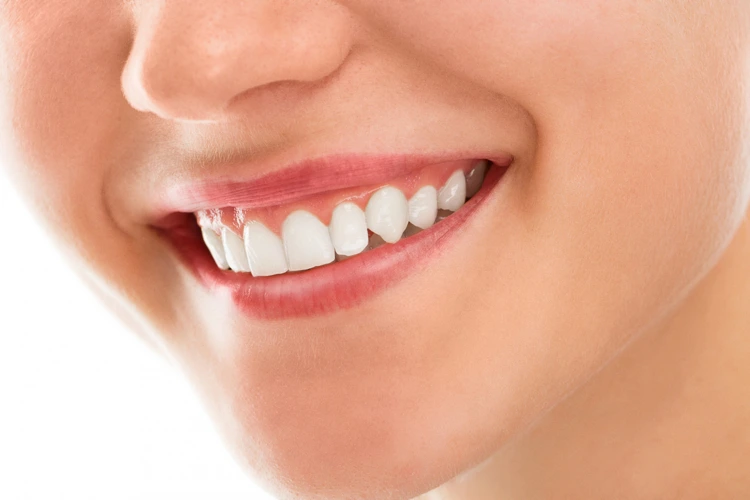
Teeth whitening treatments brighten your smile. These services bleach away discoloration, and they remove stubborn stains. Although daily brushing helps, patients often request professional whitening. Dentists provide practical options for this cosmetic need.
Benefits of Teeth Whitening
The benefits include a younger appearance. Teeth whitening may contribute to better first impressions. Some people think that white teeth look healthier, and you might find more positive interactions. Since selecting whitening as a cosmetic solution updates your look, make an informed decision. Benefits of whitening include:
- Improves the overall brightness of your smile
- Visually minimizes small spacing issues and mild misalignment.
- Helps you present yourself positively in both personal and professional situations
- Reduces the appearance of stains from foods and beverages
- Results often appear after a single appointment or a short treatment plan.
There are individual goals to whitening, so discuss them with your provider.
Methods of Teeth Whitening
Dentists offer in-office whitening treatments. In a typical professional setting, the dentist examines your teeth and gums, checks for existing dental work, and assesses if whitening is appropriate. The dentist places protective barriers on your gums and lips to reduce irritation, and a special gel or shield safeguards sensitive areas. Then the bleaching agent is applied. Some see changes after treatment, and your dentist may recommend a follow-up.
Your dentist can create custom trays molded for your teeth while you apply a milder bleaching gel yourself at home. At-home options exist as well. Custom trays support even coverage, and they help limit gel contact with gums. These treatments usually require daily use for one to two weeks, depending on gel strength. You follow your own routine with at-home treatments, making them easier to fit into your daily life. Both methods help reduce staining. There are several options to choose from, and your dentist supports your decision.
Risks of Teeth Whitening
Teeth whitening involves some minor risks. Some people report tooth sensitivity, and others experience mild gum irritation. When bleaching agents touch the gums, tissue irritation occurs, so dentists use protective barriers. This often subsides after a few days. These side effects are usually temporary. Sensitivity often fades after treatment, and some people use special toothpaste for added comfort. Products for sensitive teeth help manage discomfort, and they support enamel during and after whitening. Occasionally, repeated whitening can thin enamel, making teeth weaker over time. To help avoid this, follow instructions and work with your dentist. Dental professionals review your oral health before whitening. They assess enamel thickness, and they evaluate existing dental work. Some people notice uneven coloration when natural teeth and restorations are both present, and your provider may suggest ways to address this. Rare effects may occur if products are used improperly, so professional guidance is recommended.
Achieve Your Brightest Smile Today
Know the benefits, and you understand the available methods. Teeth whitening is a straightforward process. While risks exist, dentists manage them. Your brighter smile awaits you. You can schedule a consultation, and your dentist will discuss your cosmetic needs. Since information empowers you, use these facts and take the next practical step today.
