

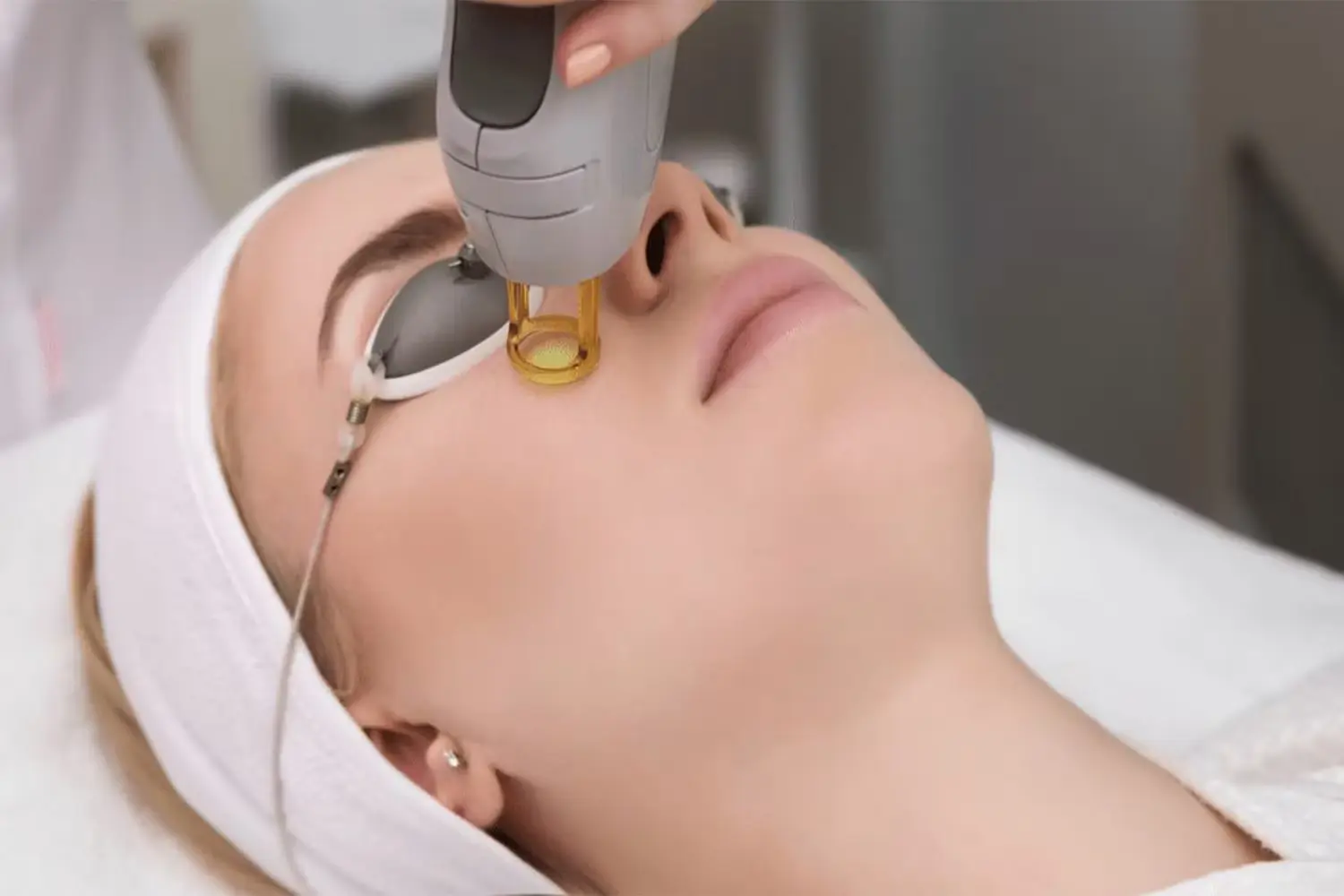
Laser treatments give dermatology practices a way to address texture, pigment, and signs of aging with targeted energy instead of surgery. Laser Genesis uses gentle, repeated passes to gradually heat the upper dermis rather than delivering a single intense burst. As patients compare options, they benefit from learning more about downtime and side effects. Understanding what makes laser treatments distinct helps set realistic expectations, and it supports better conversations with a qualified practitioner.
What Are Laser Treatments?
Laser treatments use focused light energy to interact with specific targets in the skin, such as water, pigment, or blood vessels. Each device operates at one or more wavelengths; those wavelengths determine which structures absorb the energy and how deep the beam travels. Some systems remove or vaporize tiny columns of tissue, while others heat tissue without breaking the surface. Because these technologies differ so widely, two people may have very different experiences, outcomes, and recovery periods. Laser Genesis is a valuable treatment option.
What Is Laser Genesis?
Laser Genesis is a non-ablative treatment that uses a near-infrared (NIR) Nd:YAG 1064 nm wavelength to gently heat the upper layers of the dermis. The device delivers rapid pulses that gradually build heat, with the goal of stimulating collagen while reducing redness and improving texture. Because the outermost layer of skin stays intact, the surface may look flushed rather than wounded after a session. The technique relies on repeated passes over the same area; this allows the practitioner to control how much heat accumulates in the tissue.
The 1064 nm wavelength travels relatively deeply compared with some other cosmetic lasers, and it may interact less with surface pigment. This property makes the treatment suitable for a wide range of skin tones, although the practitioner still needs to individualize settings. Sessions may feel like a warming sensation rather than a sharp snap. Results build gradually over a series of visits; that schedule aligns with the biology of collagen remodeling, which unfolds over weeks rather than days.
How Does It Differ?
Laser Genesis shares some goals with other non-ablative platforms, yet the way it delivers energy and the experience it creates set it apart. The device’s parameters, the treatment technique, and the expected recovery profile all influence where it fits within a broader laser strategy. Patients comparing options may focus on comfort and suitability for their skin type, which highlights several practical differences between laser treatments.
- Energy delivery: Laser Genesis uses low-energy, high-frequency pulses that gradually heat the dermis, while some other lasers rely on fewer, more intense pulses that produce a sharper sensation.
- Skin surface impact: Because Laser Genesis is non-ablative, it does not remove surface layers, whereas ablative resurfacing intentionally creates controlled wounds to trigger more dramatic renewal.
- Targeted concerns: Laser Genesis focuses on diffuse redness, mild textural irregularities, and early fine lines, while pigment-specific or ablative lasers are reserved for pronounced sun damage or distinct brown spots.
Consult a Professional Today
Choosing between laser treatments depends on skin type, specific concerns, and tolerance for downtime. A practitioner who works with multiple technologies evaluates texture and overall skin quality; that evaluation guides device choice and settings. During a consultation, ask about the expected number of sessions, recovery, and maintenance. When selecting a laser treatment, an in-person assessment helps determine which approach aligns with your skin’s current condition. Schedule a consultation today.
