

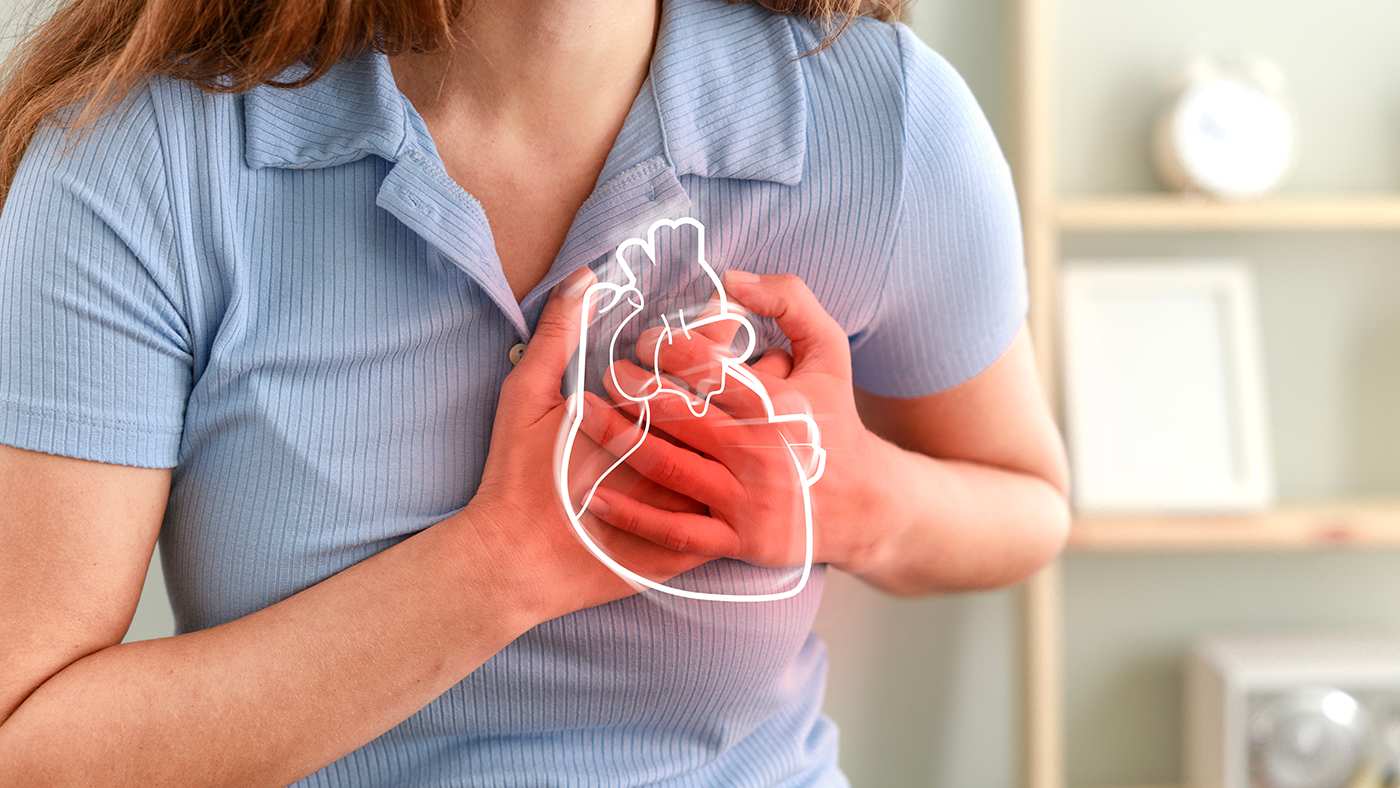
Heart disease remains one of the leading causes of death worldwide. What makes it particularly dangerous is that it often develops quietly, without obvious symptoms in its early stages. By the time clear signs appear, the condition may already be advanced.
Understanding the early warning signs of heart disease can help you take action sooner. Your body often gives subtle signals when something is wrong. Recognizing these signs and seeking timely medical advice can make a significant difference.
What Is Heart Disease?
Heart disease is a general term that includes various conditions affecting the heart and blood vessels. The most common type is coronary artery disease, which occurs when the arteries supplying blood to the heart become narrowed or blocked.
Other forms include heart rhythm disorders, heart valve problems, and heart failure. While the causes may vary, many of these conditions share similar early warning signs.
Common Early Symptoms to Watch For
Chest Discomfort or Pressure
Chest discomfort is one of the most recognized symptoms of heart disease. It may feel like pressure, tightness, fullness, or even a burning sensation.
This discomfort can last for a few minutes or come and go. Some people mistake it for indigestion or muscle pain, which can delay proper diagnosis.
Shortness of Breath
Feeling out of breath during simple activities, such as walking or climbing stairs, can indicate a heart problem.
This happens when the heart struggles to pump blood efficiently, reducing oxygen supply to the body.
Shortness of breath may occur with or without chest discomfort and should not be ignored.
Unusual Fatigue
Persistent fatigue, especially without a clear reason, can be an early sign of heart disease.
Many people overlook this symptom because it can be caused by various factors. However, if fatigue is sudden, severe, or long-lasting, it may indicate that the heart is not functioning properly.
Pain in Other Areas of the Body
Heart-related pain is not always limited to the chest. It may spread to the arms, shoulders, neck, jaw, or back.
This type of pain is often described as dull or aching and may come and go.
Dizziness or Lightheadedness
Feeling dizzy or lightheaded can occur when the heart is unable to maintain proper blood flow to the brain.
In some cases, this may be accompanied by fainting or near-fainting episodes.
Irregular Heartbeat
An irregular heartbeat, also known as arrhythmia, may feel like fluttering or pounding in the chest.
While occasional irregular beats can be harmless, frequent or persistent changes should be evaluated by a healthcare provider.
Risk Factors That Increase the Chances of Heart Disease
Understanding risk factors can help you take preventive steps.
High Blood Pressure
High blood pressure forces the heart to work harder than normal. Over time, this can damage blood vessels and increase the risk of heart disease.
High Cholesterol
Elevated cholesterol levels can lead to plaque buildup in the arteries. This reduces blood flow and increases the risk of heart attacks.
Smoking
Smoking damages blood vessels, reduces oxygen levels, and significantly increases the risk of heart disease.
Obesity and Physical Inactivity
Excess weight and lack of physical activity can lead to conditions such as high blood pressure, diabetes, and high cholesterol.
Diabetes
Diabetes increases the risk of heart disease by affecting blood vessels and circulation.
How to Reduce Your Risk
While some risk factors, such as age and genetics, cannot be changed, many lifestyle choices can significantly reduce the risk of heart disease.
Eat a Heart-Healthy Diet
A balanced diet plays a crucial role in maintaining heart health.
Focus on:
- Fruits and vegetables
- Whole grains
- Lean proteins
- Healthy fats
Limit processed foods, excessive salt, and unhealthy fats.
Stay Physically Active
Regular exercise strengthens the heart and improves circulation.
Aim for at least 30 minutes of moderate activity most days of the week.
Manage Stress
Chronic stress can increase blood pressure and contribute to heart problems.
Practices such as meditation, deep breathing, and regular breaks can help manage stress levels.
Get Regular Health Checkups
Routine checkups allow early detection of risk factors such as high blood pressure and cholesterol.
Early intervention can prevent serious complications.
When to Seek Medical Attention
Some symptoms require immediate medical attention.
Seek help if you experience:
- Severe chest pain
- Shortness of breath
- Sudden dizziness
- Pain spreading to the arms or jaw
These may be signs of a heart attack and require urgent care.
Conclusion
Heart disease often develops silently, but the body provides warning signs. Paying attention to these early symptoms can help you take action before the condition becomes severe.
Healthy lifestyle choices, regular checkups, and awareness of risk factors can significantly reduce the risk of heart disease. Taking small steps today can lead to better heart health in the future.
FAQ: Early Signs of Heart Disease
What is the most common early symptom of heart disease?
Chest discomfort or pressure is one of the most common early signs.
Can heart disease develop without symptoms?
Yes, many people do not experience noticeable symptoms in the early stages.
Is fatigue a sign of heart problems?
Yes, unexplained and persistent fatigue can indicate heart issues.
When should I see a doctor?
If you experience recurring symptoms such as chest discomfort, shortness of breath, or dizziness.
