

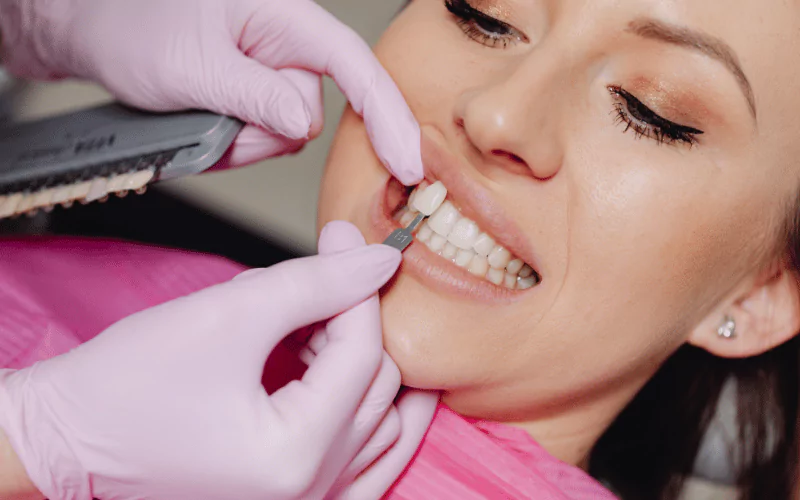
The appearance of the teeth can change over time. Dietary choices, daily habits, aging, and minor accidents may all affect tooth color, shape, or spacing; cosmetic dentistry is a branch of dental care that focuses on these visual characteristics. Dentists who offer cosmetic treatments use a range of materials and techniques to modify how teeth look. Some procedures take place in a single visit, while others require several appointments.
What Is Cosmetic Dentistry?
Cosmetic dentistry refers to procedures performed primarily to change the appearance of the teeth and smile. These treatments may alter the color, size, shape, length, or spacing of one or more teeth so that they appear more uniform. This field can be discussed alongside restorative dentistry, and the two share several techniques and materials. Restorative dentistry concentrates on oral health and function, repairing or replacing teeth affected by decay or damage so that a person can bite and chew properly. Cosmetic dentistry centers on how the teeth look. Some treatments serve both purposes.
What Does It Address?
Cosmetic dentistry may address a variety of visual concerns. Some of these develop gradually, and others can appear after an injury. There are some common issues that may be addressed, including:
- Staining and Discoloration: Certain foods leave stains on tooth surfaces, and teeth can also darken with age.
- Chips and Cracks: Sustaining an impact to the mouth may cause small pieces of enamel to break away.
- Gaps: Some people have spaces between their teeth that they would prefer to reduce.
- Teeth That Are Broken: A tooth that has lost part of its structure may look uneven next to neighboring teeth.
- Teeth That Are Missing: The absence of one or more teeth can leave visible spaces in the smile.
A person may have one of these concerns or several at once. The appropriate approach depends on the extent of each issue and the condition of the surrounding teeth and gums.
What Services Fall Under It?
Cosmetic dentistry includes several services, and each relies on different materials and methods. Teeth whitening lightens the shade of the teeth. Professional whitening uses bleaching agents to reduce surface stains and discoloration. Some dental offices perform this treatment in the office, while others supply trays and whitening gel for use at home. Some offices provide both options.
Dental bonding involves applying a tooth-colored composite resin to the surface of a tooth. The dentist shapes and hardens the material to repair minor chips, cracks, or other enamel damage. Bonding can also alter the size or contour of a tooth. Veneers are thin, custom-made shells, typically crafted from porcelain or ceramic, that attach to the front surfaces of the teeth. They may cover discoloration, small chips, and minor gaps. Each set is designed for the individual, so the dentist can match the shape and shade to the intended appearance.
Confer With a Dentist
The results of cosmetic dental procedures may not be permanent, and their longevity varies from person to person. Brushing twice a day, flossing regularly, and attending routine exams and cleanings can help maintain the appearance of treated teeth. Before cosmetic treatment begins, a dentist may examine the teeth and gums to identify any concerns, such as decay or gum disease. Discussing desired outcomes, expected timelines, and long-term care with a dentist can help a person make an informed decision about which cosmetic options align with their goals.
