

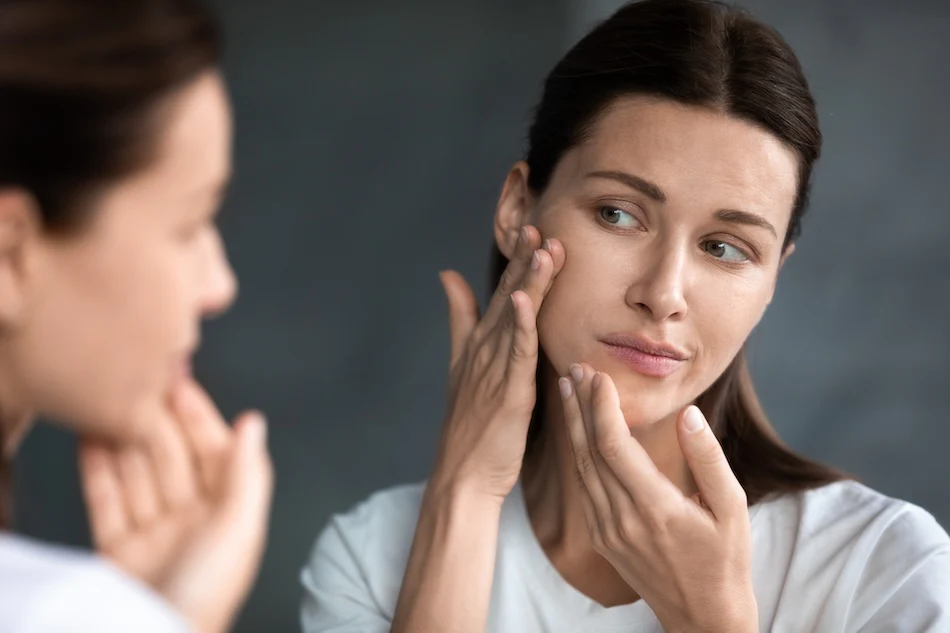
Dermatologists diagnose and treat conditions affecting the skin. Care may address acne, eczema, psoriasis, and skin cancer, while available services also include surgical and cosmetic dermatology. Because dermatology covers different needs, patients may receive medical, surgical, pediatric, or cosmetic care based on their concerns. Here is more information about the role of a dermatologist in skincare routines:
Diagnosing Skin Conditions
Dermatologists evaluate changes affecting the skin. They review symptoms and medical history, and a physical examination provides additional information about the affected area. When further evaluation is needed, a dermatologist may perform diagnostic testing or a skin biopsy. Common conditions evaluated through dermatology care include:
- Evaluating eczema and related skin irritation
- Identifying psoriasis and associated skin changes
- Examining warts caused by viral infections
- Assessing acne and different types of breakouts
Skin conditions can appear differently between patients. Age, symptoms, and medical history is able to influence the evaluation, while diagnostic methods depend on the suspected condition. Because several conditions can produce similar skin changes, dermatologists use examination findings and testing to determine a diagnosis.
Treating Skin Cancer
Dermatologists provide several forms of skin cancer treatment. Mohs surgery removes affected tissue in thin layers, and each layer is examined under a microscope during the procedure. When cancer cells remain within an examined layer, additional tissue is removed from the affected area.
Mohs surgery preserves surrounding healthy tissue whenever possible. This approach may be used on areas such as the face, where the amount of available tissue cahttps://www.advantagederm.comn influence treatment. Because skin cancers differ in type and location, a dermatologist determines the appropriate treatment approach after evaluating each case.
Restoring Skin After Surgery
Reconstructive surgery may follow certain dermatologic procedures. Dermatologists may use stitches, skin grafts, or flap procedures, and the selected method depends on the treatment area. When reconstruction is needed after Mohs surgery, the dermatologist evaluates the wound’s size and location before selecting an appropriate technique. The reconstruction plan may also account for healing needs, function, and appearance.
Enhancing Cosmetic Appearance
Cosmetic dermatology addresses concerns involving skin and appearance. Dermatologists provide nonsurgical treatments, and available options cahttps://www.advantagederm.comn address facial volume, body contouring, or unwanted hair. Because aesthetic goals differ between patients, treatment selection begins with an individual evaluation.
Dermal fillers can add volume to selected facial areas. CoolSculpting addresses targeted areas of body fat, while laser hair removal provides an option for reducing unwanted hair. Each treatment uses a different approach, and the appropriate procedure depends on the patient’s goals.
Cosmetic procedures require knowledge of the treatment area. A dermatologist reviews skin characteristics and medical history, and this information guides treatment planning. When discussing cosmetic services, patients can also review expected results, treatment requirements, and follow-up care.
Caring for Children’s Skin
Pediatric dermatology addresses skin conditions affecting children. Dermatologists evaluate concerns such as eczema, warts, birthmarks, and moles, and treatment approaches may vary according to age. Because children have different dermatologic needs, providers account for symptoms, medical history, and developmental stage during evaluation. Pediatric appointments also give parents and children opportunities to discuss the condition, treatment options, and ongoing skin care.
Schedule With a Dermatologist Today
Skin changes may involve color, texture, growths, or irritation. Dermatologists evaluate these concerns, and available care may include medical, surgical, pediatric, or cosmetic dermatology. When a skin concern persists or changes, an evaluation can provide more information about its possible cause and available treatment options. Schedule a dermatology evaluation today to discuss your skin concerns and available care.
