

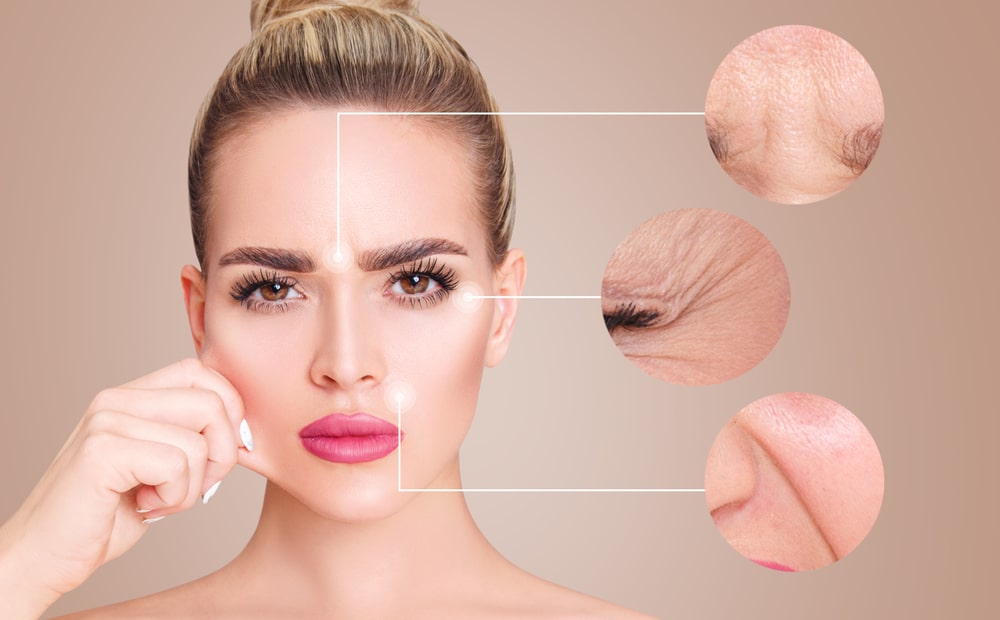
Anti-aging treatments include a range of cosmetic and skincare options that reduce visible signs of aging, such as fine lines and changes in skin texture. These treatments may support a refreshed appearance when selected based on individual skin concerns, goals, and provider recommendations. Here is more information on what you need to know about anti-aging treatments:
Exploring Treatment Options
Anti-aging treatments are available in several forms, each addressing specific concerns. Here are some of the common options you may encounter:
- Botox: This injectable treatment temporarily relaxes facial muscles to reduce the appearance of dynamic wrinkles and fine lines. It is commonly used on areas such as the forehead, crow’s feet, and the area between the eyebrows.
- Dermal fillers: These injectable solutions restore lost volume and enhance facial contours. They are often used to address concerns like hollow cheeks, under-eye bags, or thin lips.
- Medical-grade supplements: These are pharmaceutical-grade formulations designed to address skin health from within. They often contain high concentrations of vitamins, antioxidants, and other nutrients that support skin hydration and repair when used as part of a comprehensive skincare regimen.
These advanced treatments and interventions can help individuals achieve significant improvements in skin health and aesthetics, tailored to their specific needs and goals.
Understanding Benefits and Expectations
Anti-aging treatments aim to improve the appearance of the skin, though outcomes differ from person to person. Some procedures deliver quick changes, while others build results gradually over several sessions. Your skin type, age, and the specific concern you want to address all shape what you can expect. Setting realistic goals before starting is helpful, and an open conversation with a qualified provider supports that process. Results are rarely permanent; most treatments require maintenance to keep the effect. Some people combine multiple approaches to reach their goals, and a provider can explain how these methods work together.
Assessing Safety and Candidacy
Safety remains a key factor when you deliberate on any anti-aging treatment. Not every procedure suits every person, and certain skin types or health conditions may affect your options. A qualified provider reviews your medical history, examines your skin, and discusses your goals before recommending a treatment. This step reduces risks, and it makes sure the chosen method aligns with your needs. Candidacy depends on several details, including your age, skin condition, and any past procedures. Some treatments are not advised during pregnancy or for people with specific health concerns, so being open during your consultation matters.
Supporting Skin Health
Aftercare plays a fundamental role in the success of anti-aging treatments. Following your provider’s instructions helps protect your skin while it recovers. Here are some common aftercare practices that can support skin health:
- Sun protection: Apply sunscreen daily to protect treated skin from damage.
- Gentle skincare: Use mild products as your skin heals, and avoid harsh ingredients during this period.
- Hydration: Keep your skin moisturized to support the healing process.
- Avoiding irritants: Skip activities like swimming, sunbathing, or intense exercise if advised.
- Follow-up visits: Attend scheduled check-ins so your provider can monitor progress.
Consistent care after treatment supports lasting results and promotes healthy skin over time.
Book Your Anti-Aging Treatments Consultation
Anti-aging treatments offer various ways to address visible signs of aging. Each option has its own process, benefits, and aftercare needs, and the right choice depends on your skin and goals. Safety and proper candidacy guide every decision, and consistent aftercare can protect your results. Contact a qualified healthcare provider near you to book your consultation for anti-aging treatments today.
